

Wonders of Creation
Dopamine and Happiness: How Pleasure Is Created in the Brain
Discover how dopamine shapes motivation, joy, food cravings, and healthy habits, and learn which daily choices boost real pleasure without harmful emotional crashes
- Debbie Reichman
- | Updated
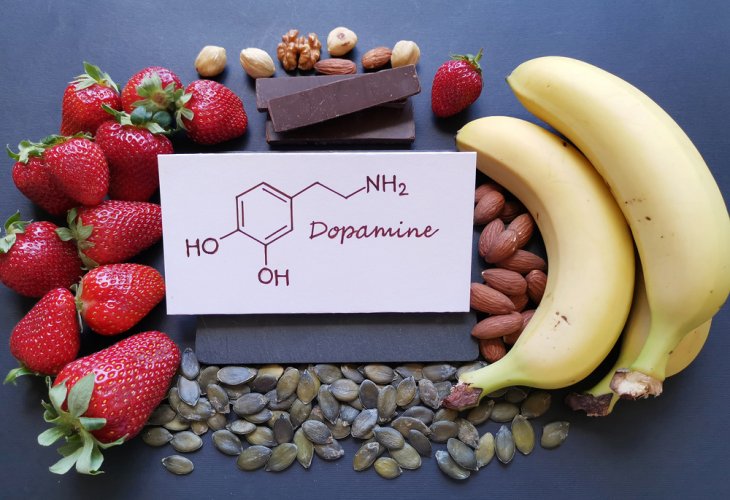 (Photo: shutterstock)
What makes you happy? What gives you a sense of pleasure? Many things bring us enjoyment, happiness, and positive emotions. But how, in practical terms, is the feeling of pleasure created in the brain?
Dopamine: The Brain’s Motivation Engine
Dopamine is the substance that produces the sensation of pleasure in the brain. In fact, it physically motivates us to feel driven, to want or crave certain things, to enjoy life, and even to take risks in search of excitement. Dopamine is sometimes called the “instinct of life,” because it greatly influences the nervous system, behavior, movement, activity, and even thinking.
Without dopamine, we might live in extreme indifference. We would lack the ability to feel excitement, inspiration, enthusiasm, curiosity, and desire.
In reality, every person naturally tries to increase the level of dopamine in their brain, and to enjoy and experience pleasure as much as possible.
However, there are healthier ways to achieve dopamine and less healthy ones.
Healthy Sources of Dopamine
Physical activity increases the flow of dopamine to the brain in a positive and balanced way. So does learning something that interests us, playing, social interaction, and similar activities. These experiences help create motivation and joy while supporting emotional well being.
Food, Comfort, and Emotional Balance
Certain foods also trigger a rise in dopamine, especially sweet foods. This is the source of the idea of “comfort food.” Many of us eat to cope with emotional difficulty or sadness. When eating is done in a healthy way, it can encourage balanced dopamine production. But when it becomes a substitute for other meaningful or joyful activities, it can lead to harm, such as overeating or consuming unhealthy products.
Caffeine, Alcohol, and Addictive Patterns
High caffeine intake can cause a temporary spike in dopamine followed by a drop, which may create feelings of low mood or a craving for more caffeine. The same pattern can occur with alcohol or various addictive substances.
Choosing Positive Excitement
Excitement itself also increases dopamine levels. Our task is to guide ourselves toward positive excitement and constructive activities that elevate us emotionally and spiritually, rather than toward shallow or dangerous thrills that ultimately bring harm and destruction.

