

Passover
What’s Kosher for Passover? Your No-Stress Shopping Guide
A practical, friendly checklist to help you buy foods and household products for Passover with confidence.
- Yosef Goldfrandi
- | Updated
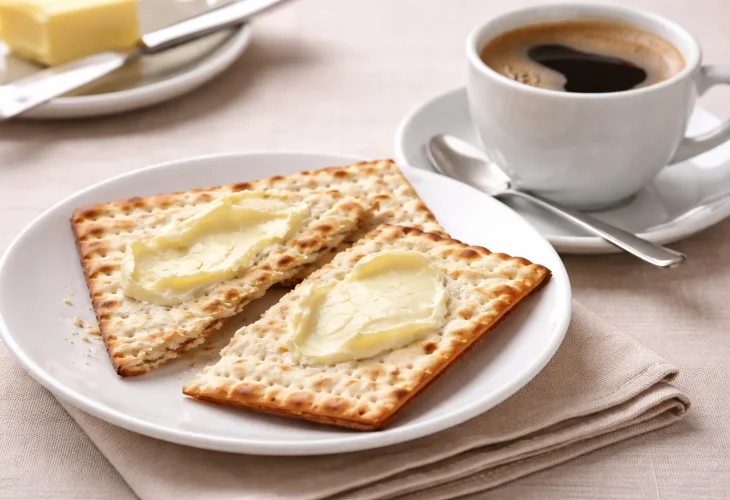
Preparing for Pesach can feel overwhelming. Between cleaning, cooking, and shopping, it is important to understand what truly requires special supervision and what does not. Here is a practical halachic guide to help you shop wisely and avoid chametz concerns.
General Shopping Guidelines for Pesach
Store owners who sell products that are kosher for Pesach must ensure that all items are stored in protected areas so flour or chametz crumbs do not fall onto them.
When shopping, purchase foods and beverages that are certified kosher for Pesach, with no concern of chametz or chametz mixtures.
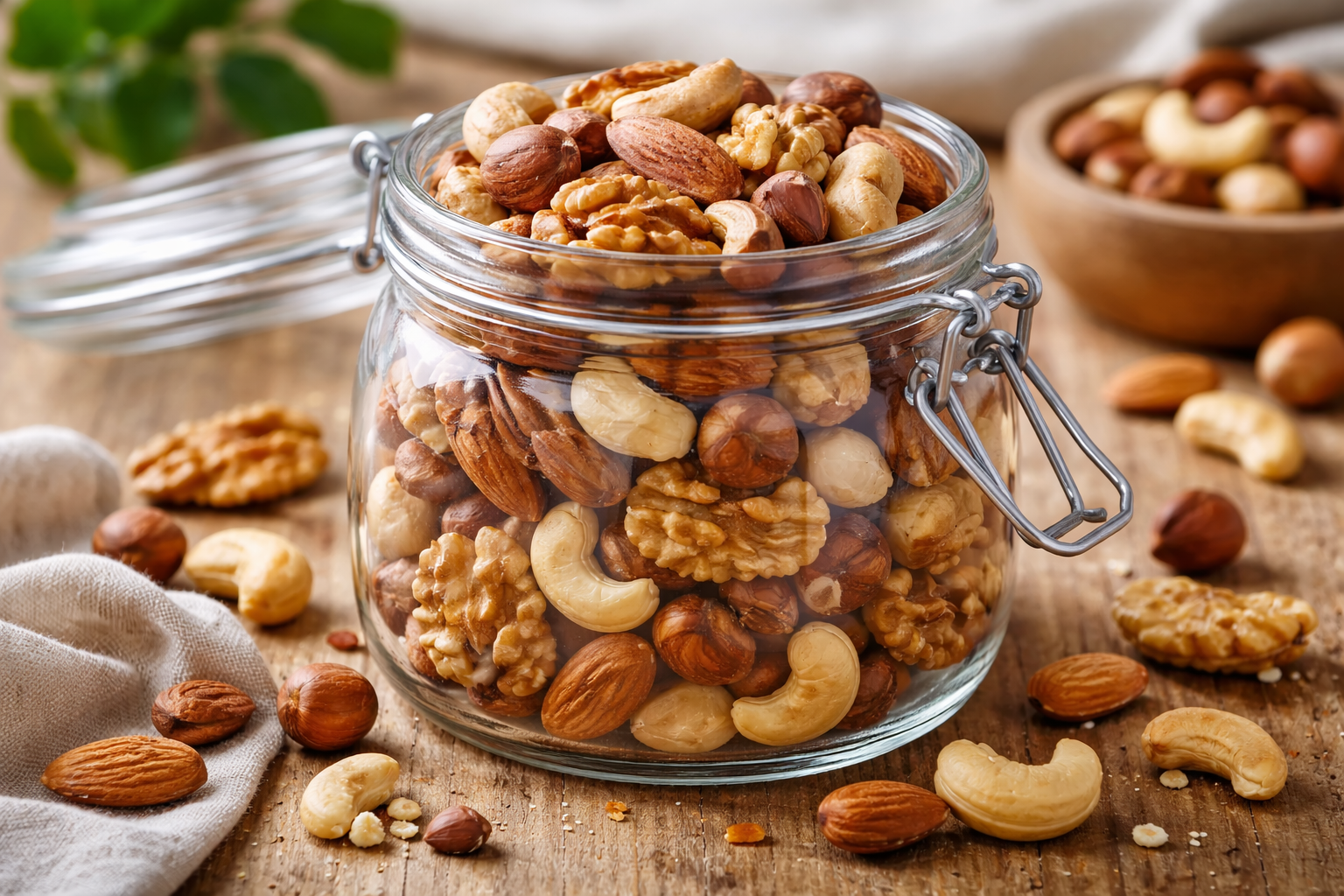
Open or unpackaged goods such as nuts, spices, dried fruit, and baked goods sold by weight should only be purchased from a trustworthy and observant seller whose kashrut you rely on.
After purchasing Pesach products, store them carefully at home in a protected place so no chametz can touch or fall onto them. This is especially important in homes with children.
Dried Fruit on Pesach
Dried fruits such as raisins, prunes, dates, apricots, and figs require attention.
For Sephardim, dried fruit is permitted on Pesach, but it must have reliable supervision due to common chametz concerns during processing.
For Ashkenazim, the custom is to avoid dried fruit on Pesach because of possible chametz mixtures. However, for someone who is ill but not in danger, there is room for leniency.
Nuts and Seeds
Nuts and seeds such as peanuts, almonds, pistachios, and sunflower seeds should not be purchased from open markets without proper rabbinic supervision.
Buy only from stores that have reliable Pesach certification.
Salt
Fine table salt sold in sealed packages is permitted for Pesach use even without special Pesach certification. However, if salt is stored in open sacks, ensure there is no risk of flour contamination.
Sugar
Sugar is permitted on Pesach.
If someone previously avoided sugar:
If they believed sugar was strictly forbidden by halacha, they may begin using it without any formal annulment.
If they knew sugar was permitted but chose to be stringent, they should consult a rabbinic authority to annul that personal custom before beginning to use it.
Tea and Coffee
Tea and coffee are permitted on Pesach but should be purchased with proper Pesach supervision.
Cleaning Products and Cosmetics
Any chametz that became spoiled and unfit even for a dog’s consumption before Pesach does not require certification.
Therefore, cleaning products, cosmetics, shoe polish, and similar items may be used on Pesach without Pesach certification.

Soaking Matzah in Water
It is permitted to soak matzah in water without concern.
Those who have adopted the custom to avoid soaking matzah may annul that custom if they wish, following proper halachic procedure.
Medications on Pesach
There are two general categories of medication: bitter medicines and pleasant tasting medicines.
Bitter medicines are permitted for someone who is ill throughout the body, even if not in danger, since they are considered unfit for consumption. However, a healthy person with only a minor ailment may not use such medicine without Pesach certification.
Pleasant tasting medicines require Pesach certification unless the patient is dangerously ill and cannot obtain certified medicine. In that case, specific halachic guidance is required.
A person confined to bed due to illness is considered non dangerously ill. A simple headache does not qualify unless it is severe enough to require bed rest.
Chametz That Falls Into Food
If chametz falls into food during Pesach, even in the smallest amount, it forbids the entire mixture.
If chametz fell into food before Pesach and was nullified according to halachic standards:
For Sephardim, the mixture remains permitted, since the chametz does not reawaken.
For Ashkenazim, the custom is to forbid the mixture on Pesach, since chametz reawakens and prohibits even in the smallest amount.
Food Cooked Before Pesach in Non Kashered Utensils
If food such as jam was cooked before Pesach in a pot that had absorbed chametz flavor but contained no actual chametz:
For Sephardim, the food is permitted, since the absorbed taste was nullified before Pesach and does not reawaken.
For Ashkenazim, the custom is to be stringent and forbid such food.
Preparing for Pesach requires both care and clarity. Understanding the halachic principles behind chametz, nullification, and custom can help ensure that your Pesach is observed properly, calmly, and with confidence.

