

Jewish Law
What Is the Biblical Shafan? Torah Animal Mystery Explained
Is the shafan a rock hyrax, musk deer, or something else? Explore Torah sources, research debates, and the real identity behind the name
- Yosef Yaavetz
- | Updated
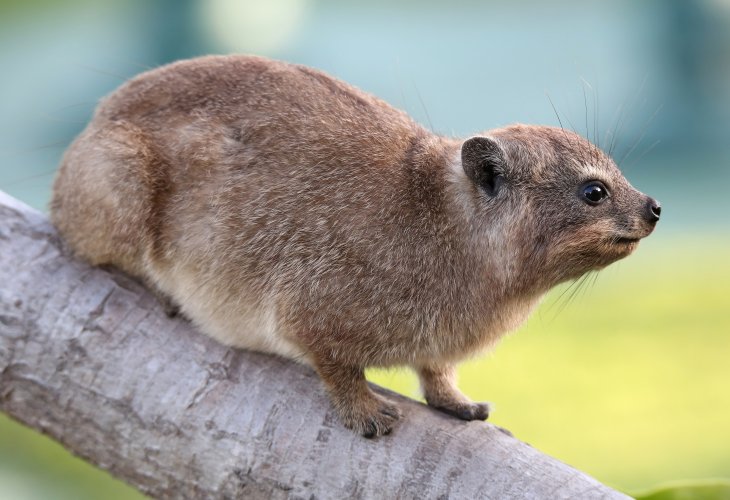 (Photo: shutterstock)
One of the most familiar animals to children today is the “shafan,” often portrayed as the small, cute rabbit-like character in countless children’s stories and illustrations. But where does such a creature actually exist? And which animal does the Torah refer to when it forbids eating the shafan?
We are familiar with the rabbit or hare, a gentle and appealing animal — yet it is not the shafan. In fact, the Torah lists the shafan and the hare separately, indicating that they are two distinct creatures.
Is the Shafan the Rock Hyrax?
According to one common view, the shafan refers to the rock hyrax. Although it does not resemble the adorable bunny of children’s tales, it is still called “shafan” in Hebrew. This identification may align with Shlomo HaMelech's description: “The shafan is a feeble nation, yet they make their homes in the rocks.”
The difficulty with this identification is that the rock hyrax does not appear to chew its cud, while the Torah describes the shafan as an animal that does. Nevertheless, nature researcher Azaria Alon argued that the rock hyrax does exhibit behavior similar to cud-chewing, which may explain the Torah’s description.
Another Theory: The Musk Deer
According to researcher Tzvi Weinberger, however, the biblical shafan might be an entirely different animal — one known today as the musk deer. This is a larger creature that may once have lived in the region.
Weinberger supports his theory with an intriguing historical account. In 1870, the traveler Rabbi Yaakov Even Sapir described an animal he encountered while visiting the home of a deputy governor in Java, Southeast Asia. In his diary he wrote that the official showed him many unusual animals and birds, including “a large animal, the size of a donkey, which chews its cud but does not have split hooves. Its front legs were much shorter than its hind legs.” The deputy governor suggested that this might be the “hare” mentioned in the Torah, rather than the European “hase,” since that animal does not chew its cud.
This mysterious creature may not fit the image of the fluffy character from children’s stories. Yet it raises a fascinating possibility: perhaps the animal the Torah calls the shafan is very different from what modern imagination assumes.

