

Passover
Passover Eve Guide: What You Can and Can’t Do After Midday
What can you do after midday on Erev Pesach? A simple breakdown of permitted work, grooming, and preparations before the Seder.
- Yosef Goldfrandi
- | Updated

As Passover approaches, the final hours before the holiday are filled with preparation and anticipation. Halacha places special restrictions on work on Passover Eve to ensure that the focus remains on honoring the holiday properly. Here is what you need to know about working on Erev Pesach.
Why Is Work Restricted After Midday?
The Sages prohibited certain types of work on Passover Eve after halachic midday for two main reasons.
First, so that people would dedicate their time and energy to preparing properly for the holiday. This includes preparing utensils for Pesach use, baking matzah for the Seder night, and making final arrangements for the meal and mitzvot of the evening.
Second, during the time of the Beit HaMikdash, the Korban Pesach was brought from midday onward. Work was forbidden during that sacred time. Even after the destruction of the Temple, this restriction remained in place as part of honoring the day.
Work Performed by a Non-Jew
Work may be performed by a non-Jew on Passover Eve even after midday. The restriction applies specifically to Jewish individuals performing work themselves.
Types of Work Permitted on Passover Eve
Certain types of work are still permitted after midday.
Work that prevents financial loss may be allowed, but one should consult a rabbi first. This refers to tasks that, if not completed, would cause a significant loss or serve an important public need.
Minor repairs, such as sewing a torn garment, are permitted even after midday.
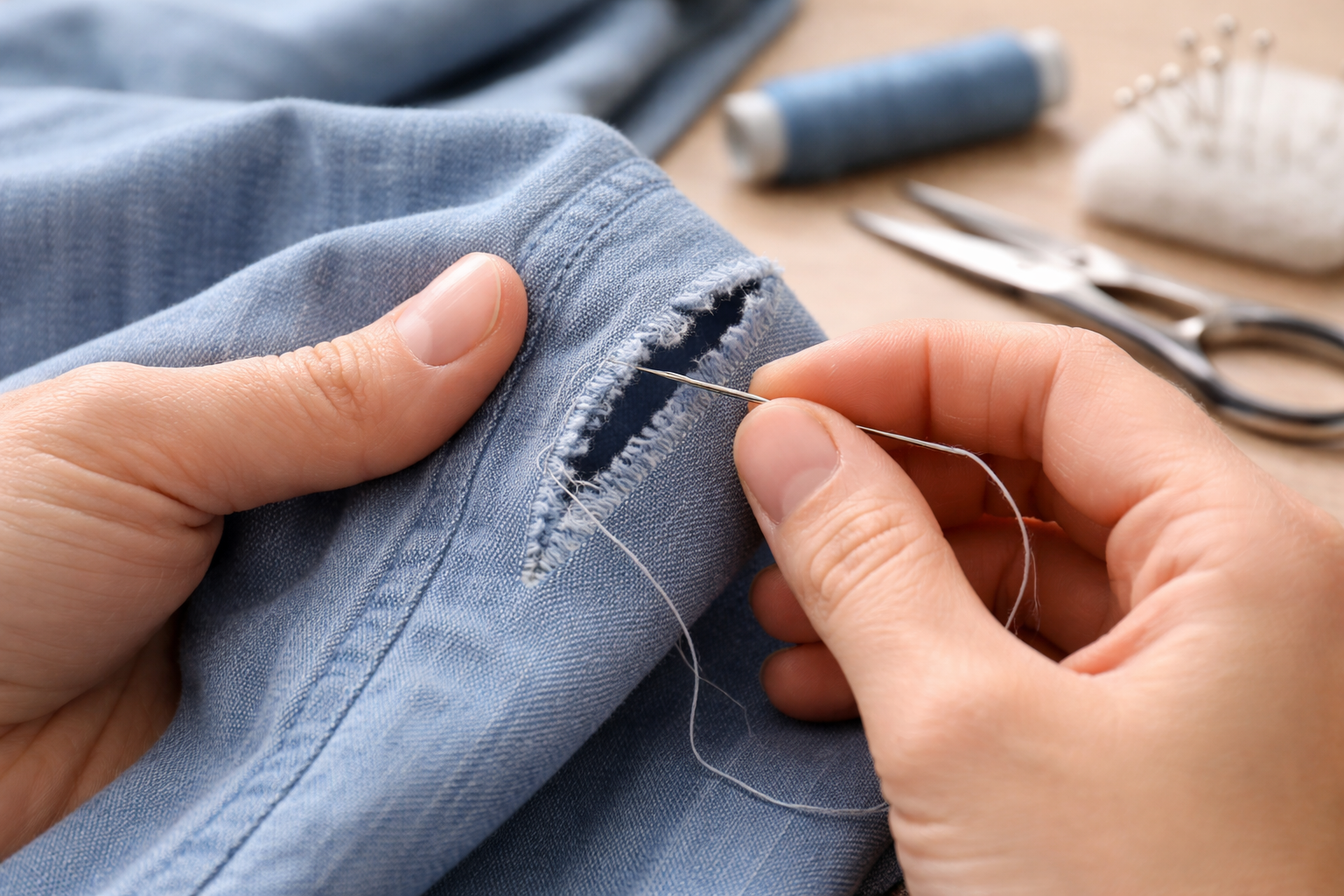
You may start a washing machine before midday, even if it continues running automatically afterward.
Personal grooming tasks such as trimming nails, polishing shoes, and ironing clothes are permitted.
Photography and writing for Torah study purposes are also allowed after midday.
Haircuts and Shaving on Passover Eve
It is a mitzvah to get a haircut and shave in honor of the holiday.
Ideally, this should be done before Passover Eve. It is permitted to get a haircut on Passover Eve before midday.
However, after midday, haircuts are generally forbidden.
If someone forgot and it is already after midday, they may not receive a haircut from a Jewish barber, even free of charge. However, they may cut their own hair, receive a haircut from a non-Jew, or from a Jewish barber who lacks funds for Passover needs.
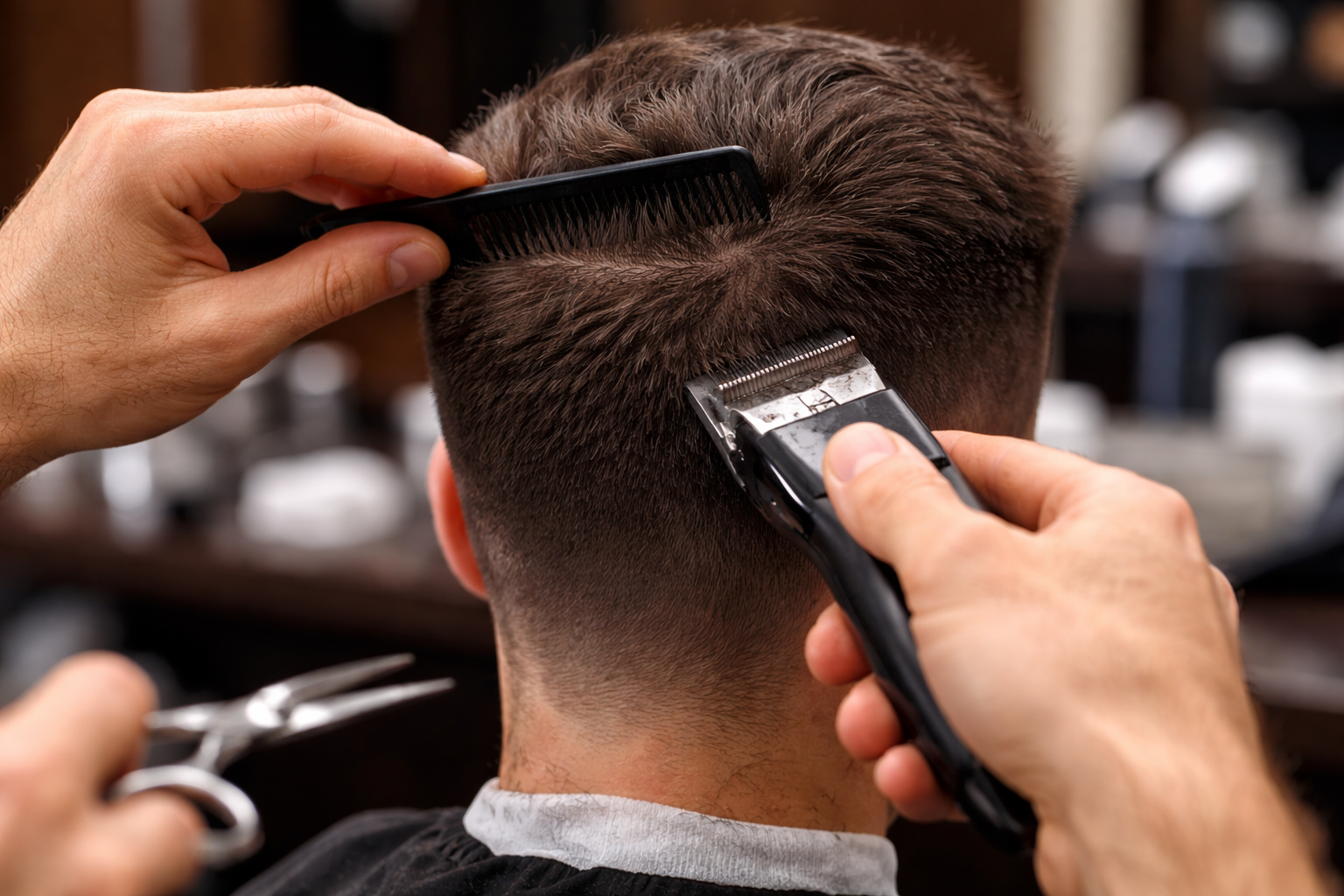
A person who arrives from abroad on Passover Eve and did not have the opportunity to get a haircut beforehand may receive a haircut from a Jewish barber even after midday.
Passover Eve is not just another busy day of preparation. It carries the sanctity of the approaching festival. Limiting work helps us shift from ordinary routine into a mindset of readiness, honor, and spiritual focus for the Seder night and the days of Pesach ahead.

