

Jewish Law
Foie Gras in Jewish Law: Ethics, Kashrut, and Debate
From ancient Egypt to modern Israel, explore the halachic questions, animal welfare concerns, and rabbinic rulings on force-fed goose liver
- Yosef Yaavetz
- | Updated
 (Photo: Shutterstock)
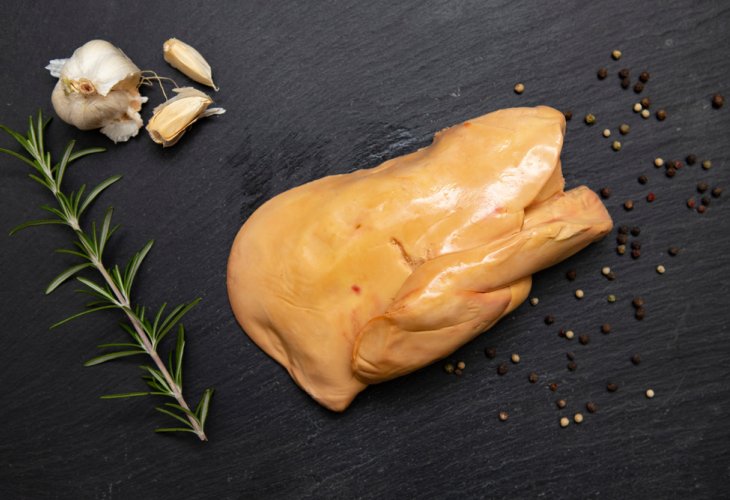
One of the most renowned foods with a long and ancient history is foie gras, or goose liver. Today it holds a place of honor in French cuisine, but its origins go back thousands of years. Egyptian reliefs already depict the force-feeding of geese. Why force-feeding? By nature, geese do not eat excessively and are quite active. If one wants them to gain weight — especially to fatten the liver — they must be fed against their will. Large quantities of food are pushed into their throats, leaving them no choice but to swallow. The Romans, for example, would feed geese figs so that the liver would become sweet and rich.
The Ethical Question: Is Force-Feeding Cruel?
During force-feeding, the goose’s liver can expand to as much as ten times its natural size, while the animal itself becomes weakened and loses its normal vitality. It must be acknowledged that this is a rather harsh practice, and today many people object to it — both ethically and personally, choosing to avoid eating foie gras or any food produced through forced feeding.
The Halachic Concern: Is the Goose Still Kosher?
Beyond the prohibition against causing unnecessary suffering to animals, halachic authorities have addressed another concern for generations. When food is forcibly inserted into a goose’s esophagus, it may cause injury, potentially rendering the bird treifah (non-kosher due to internal damage).
Rabbi Moshe Isserles (the Rema) wrote that in Krakow the custom was to eat force-fed geese, and people were not concerned about treifot. By contrast, Rabbi Yoel Sirkis, known as the Bach, argued that the practice should be forbidden. Some scholars also raised the possibility that since force-feeding weakens the animal’s natural functioning, perhaps it could be considered treifah for that reason — though this argument was ultimately rejected by most decisors.
Debates in the Early Years of the State of Israel
During the early years of the State of Israel, a group of immigrants from Hungary established a goose-fattening enterprise. The question was brought before leading rabbis in the Land of Israel, including Rabbi Tzvi Pesach Frank and the Chazon Ish. Both suggested that it would be proper to avoid the practice due to animal suffering. However, they proposed that if force-feeding were done using a soft mash rather than hard grains, it might reduce the risk of injury or perforation and thus address certain halachic concerns.
Modern Rabbinic Policy
Today, the Chief Rabbinate of Israel does not grant a mehadrin (strict) level of kosher certification to force-fed goose products. The reason, according to rulings such as that of Rabbi Shlomo Amar, is the issue of animal suffering, which itself detracts from the higher standard of halachic stringency and ethical refinement.

