

Jewish Law
Can Tattoos Honor the Fallen? A Torah Perspective
Exploring the rise of war-related tattoos in Israel and why mitzvot, prayer, and kindness may be a deeper path to remembrance and unity
- Shuli Shmueli
- | Updated
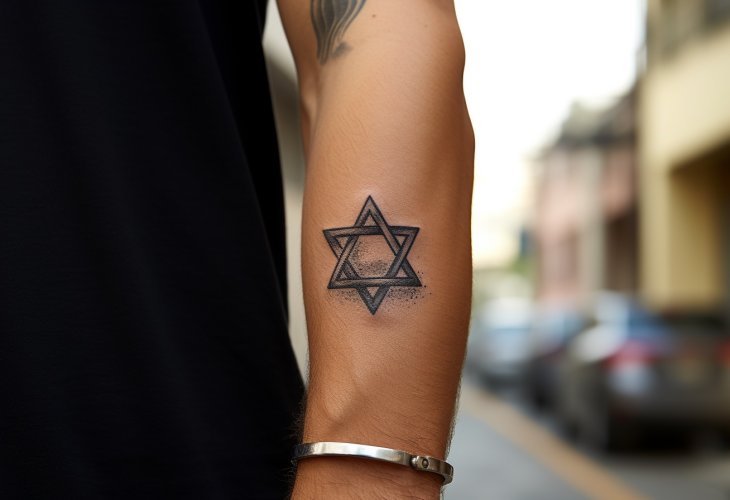 (Photo illustration: shutterstock)
Following the terrible tragedy of October 7 and the “Iron Swords” war, individuals are choosing to get tattoos featuring symbols of the war, Jewish identity and victory, the names of loved ones who were murdered, Israeli flags, strengthening verses from the Bible, and other images that engrave the tragedy, the memory, and faith in the victory of the Jewish people.
Behind this act often stands a sincere and noble intention to memorialize loved ones and to strengthen faith in the eternal destiny of the Jewish nation. The major question, however, is whether this is truly the right way to bring merit to those who have passed on, and whether it genuinely adds spiritual merit that can stand in protection of the Jewish people.
The best way to safeguard the entire nation is to increase mitzvot and good deeds, prayer, and personal spiritual strengthening. These actions awaken Heavenly mercy and have the power to radically change our situation for the better, both on the front lines and on the home front.
The Torah Perspective on Tattoos
Tattooing is an explicit prohibition in the Torah: “Do not make gashes in your flesh for the dead, and do not place tattoo markings upon yourselves; I am the Lord” (Vayikra 19:28).
When a person performs an act that the Torah forbids, even with the best intentions, it creates a negative spiritual impact on the individual. In these difficult times, the Jewish people need the merits of everyone. Adding actions that contradict the Torah can only harm the nation spiritually and certainly cannot contribute to protection or Divine safeguarding.
Does It Honor the Memory of the Departed?
If a tattoo is intended to memorialize someone who has passed away, according to this perspective it does not bring them comfort. Rather, it may cause pain when they see that their loved ones acted against the will of the Creator. A soul in the World of Truth exists in a fully spiritual reality, measured by closeness or distance from God. When people perform mitzvot or spiritual growth in their memory, it elevates their spiritual level and brings them true delight.
If you wish to honor the memory of the departed or strengthen the resilience of the nation, there are many other paths that can achieve these goals far more effectively than tattoos, including:
Organizing Torah classes in memory of the departed or for the protection of Israel
Reciting Tehillim
Taking on a personal spiritual commitment — with the greatest of all being Shabbat observance, the covenant between us and God
Arranging acts of kindness and community support
Tattooing your body is not the correct way to bring goodness into the world. As Rabbi Yehuda Halevi wrote in The Kuzari: “Your intention is desirable, but your actions are not.”

