

Magazine
The Chafetz Chaim’s Lesson: Serving God Without Recognition
Every quiet mitzvah, act of kindness, and moment of Torah builds a path of faith, even without recognition
- Yonatan HaLevi
- | Updated
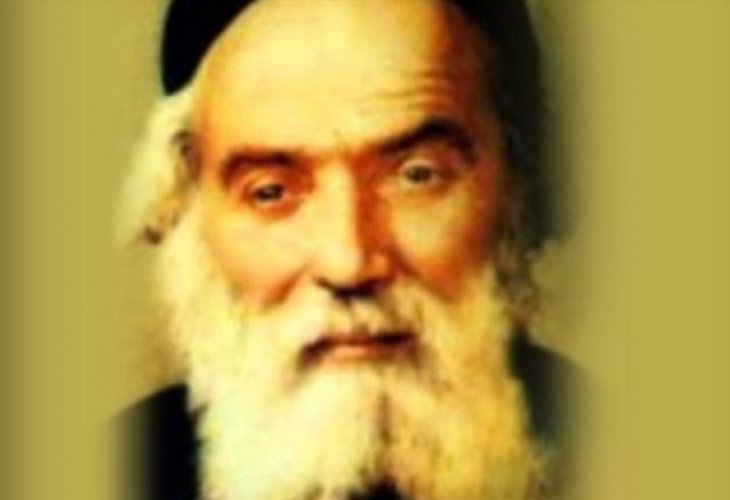 <i>Chafetz Chaim</i>
The Mishnah Berurah is the central halachic work authored by the Chafetz Chaim, Rabbi Yisrael Meir HaKohen of Radin. It serves as a commentary on the Orach Chaim section of the Shulchan Aruch, explaining, expanding upon, and ultimately guiding practical halachic rulings based on the vast body of Jewish legal literature throughout the generations.
Accepted across all Jewish communities, the Mishnah Berurah has become a foundational text in Jewish law. It consists of six volumes, and the Chafetz Chaim devoted nearly thirty years to its creation.
The Precision Behind Every Line
The Chafetz Chaim invested extraordinary effort into writing the work. It is told that he once spent three full days together with his son-in-law, Rabbi Hirsch Levinson, refining just two short lines so that they would be precise, clear, and understandable to every Jew. Days of labor and refinement were distilled into the concise sentences that eventually appeared in print.
After completing those few lines, the son-in-law respectfully asked: “Rebbe, I have a question. Will anyone who learns this book — even a single person, ever realize how much effort we invested in it?”
The Story of the Road Builders
In response, the Chafetz Chaim shared a story filled with profound moral insight: “Once I traveled through a region in Russia where workers were employed on projects for the Czar. It was bitterly cold — fingers frozen beneath gloves, the chill penetrating to the bone. I noticed two strong men, an older one and a younger one, who seemed to be father and son. They were tirelessly clearing stones from the road with their bare hands so it could become a main highway.
“Sharp stones tore at their bleeding fingers. Cracks in their hands filled with shards of ice. Snowflakes blew into their eyes, yet they continued with determination, paving the path step by step.
“Suddenly, the younger man straightened his back and said to his father, ‘This road will one day become a major highway. Crowds will rush across it — but will anyone ever know how much blood, strength, effort, and hardship were invested in every piece of ground they pass so quickly?’”
The Chafetz Chaim continued: “The father listened, paused from his work, looked into his son’s eyes, and said only two words: ‘Tsar papushka’ — meaning, ‘The Czar is the father.’ Then he bent back down and continued working. When you work for the Father, there are no questions. You simply do what needs to be done.”
Turning back to his son-in-law, the Chafetz Chaim explained: “We work for our Father in Heaven without calculations. Our single goal is to fulfill His will — everything else is secondary. When a Jew serves his Creator, he should not measure results or worry whether anyone notices. He should not imagine that if he alone disappears from the great legion, nothing will change. Heaven forbid. Our purpose is to do Hashem’s will — that is the essence and the goal.”
Quiet Acts That Build a Spiritual World
Another line of Torah learning. Another page of Talmud. One more visit to the synagogue. Putting on tefillin with intention. A hidden act of kindness. Strengthening modesty. Offering a smile to someone in need. Saying another kind word. Reciting another chapter of Tehillim.
Do not despair. When we work for our Father in Heaven, we do not wait for compliments or daily recognition. The true mission is simple: to do the will of our Father Above.

