

Passover
Blossoming Fruit Trees Blessing: Laws, Timing, and Conditions Explained
A clear halachic overview of the Blessing on Trees — when to recite it, which trees qualify, who is obligated, and practical guidelines for Nisan and beyond
- Yosef Goldfrandi
- | Updated
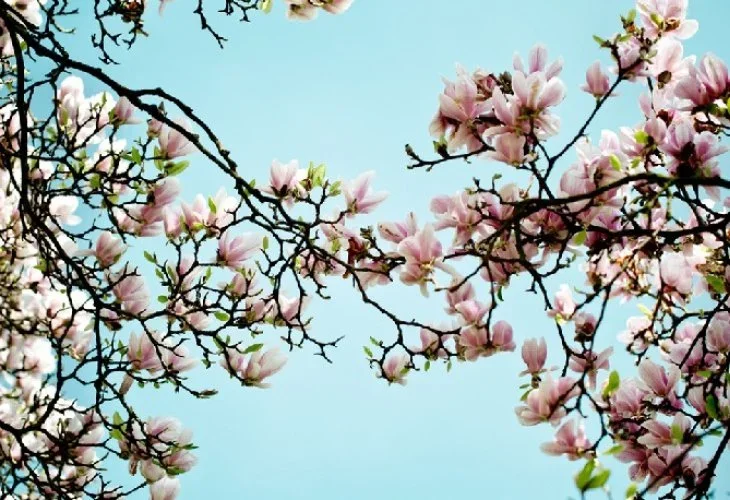
One who sees fruit-bearing trees blossoming during the month of Nisan recites the blessing:
“Blessed are You, Hashem our God, King of the universe, Who has left nothing lacking in His world and created within it good creatures and good trees for people to enjoy.”
“Baruch atah Adonai, Eloheinu, Melech ha'olam, shelo chisar be'olamo k'lum, u'vara vo beriyot tovot ve'ilanot tovim, l'hanot bahem b'nei adam.”
Conditions for Reciting the Blessing
The blessing may be recited only when all three of the following conditions are met:
Fruit trees (not non-fruit trees).
Trees with blossoms — even if some flowers have fallen, as long as blossoms remain, the blessing may be recited.
At least two trees, even of the same species (and one who recites the blessing on different species is especially praiseworthy).
If all the blossoms have fallen, the blessing may no longer be recited.
Regarding grafted trees of different species:
Some authorities rule not to recite the blessing on them, since their existence is contrary to the Creator’s will.
Others permit the blessing, explaining that it praises creation as a whole.
Therefore, one who relies on the lenient opinion should not be rebuked, but ideally one should refrain from blessing due to doubt regarding blessings.
What Is Considered the Same Species or Different Species?
Trees not grafted at all: olive, fig, pomegranate, etc.
Grafted within the same species: apple, orange, peach, nectarine, etc.
Grafted from different species: plum, pear, apricot, etc.
For any uncertainty, it is best to consult a qualified Torah scholar.
The Proper Time for the Blessing
Month of Adar: permitted after the fact if one cannot recite it later (provided all conditions are met).
Month of Nisan: the preferred time according to all opinions.
Month of Iyar: permitted after the fact if one did not recite it earlier.
Tishrei or Cheshvan: in places where trees blossom only then, the blessing may be recited at that time.
Additional guidelines:
The blessing may be recited on Shabbat or Yom Tov.
It may be recited during the day or at night.
It is recited once per year.
Who Is Obligated?
Both men and women are obligated to recite this blessing.
A blind person should not recite it, since the blessing depends on sight; however, it is proper for him to hear it from a prayer leader or another person who recites it.
Where to Recite the Blessing?
Ideally, the blessing should be recited on trees growing in gardens or orchards outside the city.
However, this is not essential. If leaving the city is difficult due to inconvenience, weakness, or even concern for neglecting Torah study, one may recite the blessing on trees within the city.
It is commendable for ten people to gather together and recite the blessing as a group for the sake of Heaven, but a quorum is not required, and one may recite it alone — as those who are diligent hasten to perform mitzvot.
Orlah Trees
It is permitted to recite the blessing on orlah trees (trees within the first three years after planting) according to all opinions.

