

Magazine
Despite the Agony: Rabbi Shlomo Zalman Auerbach Stopped to Listen
Rabbi Shlomo Zalman Auerbach zt"l left prayers early because of severe pain, yet he still found the strength to help someone in need.
- Naama Green
- | Updated
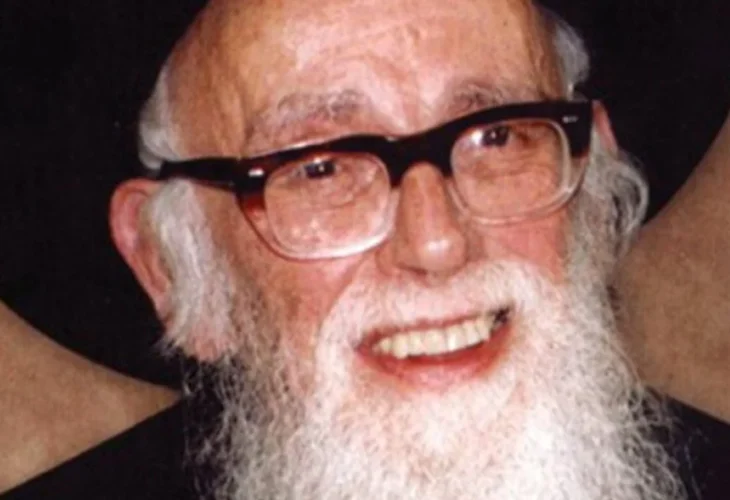 Rabbi Shlomo Zalman Auerbach, of blessed memory
For years, I had the privilege of accompanying Rabbi Shlomo Zalman Auerbach zt"l to the morning prayers. We would leave the house early for Shacharit and usually arrive among the first at the yeshiva. At the end of the service, Rabbi Auerbach would move unhurriedly, so we would leave the beit midrash almost last, recounts Rabbi Yitzchak Freiman.
An Unusual Morning
One day, Rabbi Auerbach removed his tefillin in the middle of the service. I was very surprised and approached him. He immediately explained that he was suffering from severe pain and had to return home right away.
When we exited the Agudah beit midrash, where the students of Ma’alot HaTorah prayed, a somewhat eccentric Jew approached him and asked to pose a question.
Knowing how unwell Rabbi Auerbach was, I told the man that if he wanted to ask a question, he should please come back the next day. At that moment Rabbi Auerbach fixed me with a piercing look and said firmly: "If a Jew comes to ask a question, you must answer him."
The Question
And what was the question that Rabbi Auerbach agreed to answer patiently, even while suffering from pain?
The man explained that he had removed the carpets in his apartment because he did not have the strength to clean them. But someone was suffering because of this — his downstairs neighbor, an elderly widowed Holocaust survivor.
She complained that ever since the carpets were removed, she could hear his footsteps clearly. The sounds disturbed and distressed her deeply, reminding her of the footsteps of Nazi soldiers during the Holocaust.
What should he do?
A Painful Effort
For a long time Rabbi Auerbach stood there, despite his illness, gently persuading the man in several ways that it would be worthwhile to return the carpets. He explained that doing so would bring blessing and that he would merit a great mitzvah by preventing the suffering of the elderly woman.
I saw with my own eyes that Rabbi Auerbach was wracked with pain and could barely stand, yet for the sake of that Holocaust survivor he did not give up. He devoted long, difficult minutes to persuading the man to restore the carpets.
One More Question
But the discussion did not end there.
After the man agreed to put the carpets back, he asked another question that required the rabbi’s guidance. Since it was difficult for him to clean the carpets, and since there were surely special cleaning products available, did the rabbi know of a good product for cleaning carpets?
I was stunned and embarrassed and waited to hear Rabbi Auerbach’s response.
But the rabbi did not lose his composure. With the same patience, he answered:
"You should go to a certain store at the end of the street. Go in and tell the clerk that I sent you, and ask him to give you the best product for cleaning carpets."

