

Passover
Healthy Eating Tips for Pesach: Stay Balanced During the Holiday
Practical nutrition and diabetes friendly advice to help you enjoy Pesach meals, manage carbohydrates, maintain balance, and avoid holiday weight gain without giving up tradition
- Adina Bakhar
- | Updated
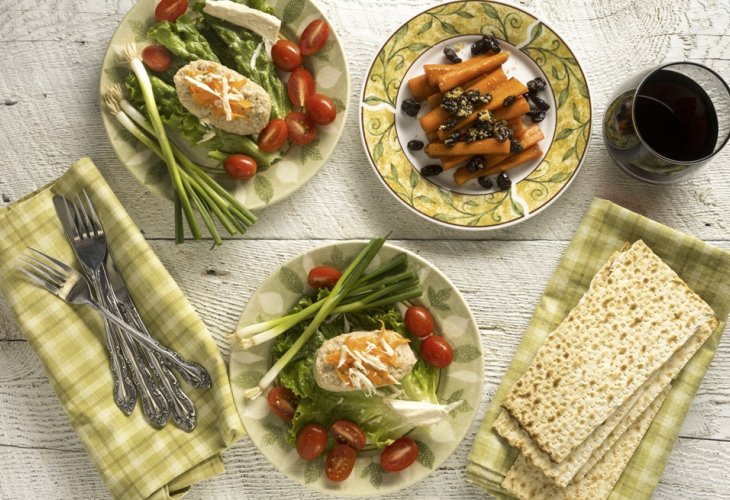 (Photo: Shutterstock)
Large, festive family meals are almost the trademark of Pesach. Extended families gather and prepare endless traditional dishes. As a result, Pesach has become one of the most challenging and complex times for people dealing with dietary difficulties, diabetes, or health concerns in general. It is a holiday that pulls us out of our normal eating and exercise routines, often leading to nearly uncontrolled eating habits.
Without proper preparation, we may pay a health price especially if we are unaware of the nutritional values found in many “Passover friendly” carbohydrate substitutes. According to studies conducted in Israel in recent years, the average Israeli gains about three kilograms during the holiday and spends more than twelve hours at calorie rich family meals. So how can we get through the holiday while staying balanced?
Prepare Before the Holiday
Coping with changes in routine does not begin during the holiday itself but long before. During the shopping stage and while planning to host or be hosted, it is a good idea to set clear goals for both nutrition and physical activity. Choose realistic goals so that you will not feel disappointed if you do not meet overly ambitious expectations. Even if you are in the middle of a weight loss or health balancing process, because of the dietary complexity of the holiday it is often wiser to focus on maintaining your progress rather than advancing it.
Create a menu that you truly enjoy. You do not need to eat everything served at the meal. Select specific favorite foods and allow yourself to enjoy them. Plan your physical activity during the holiday with the help of a trainer if possible, and schedule exact times that are reserved only for exercise. You do not need a gym. A pleasant walk or a run outdoors can be just as effective, especially if you are staying at a hotel or vacation rental. Walking helps maintain weight balance and blood sugar stability, and physical activity can also reduce stress, depression, and anxiety which often intensify during busy holiday periods.
Plan Ahead
Do not arrive at the holiday meal starving. Eat breakfast and a later than usual lunch so you will have better control when facing tempting dishes. Drink plenty of water or sugar free beverages. If you are a guest and have special dietary needs, such as diabetes, do not hesitate to ask about the menu in advance. This information will help you plan wisely. You can even offer to bring a dish that supports a balanced menu for yourself and for others. Pay attention to carbohydrate quantities when preparing foods. Fat is usually less of a concern than excess carbohydrates.
Be Aware of Carbohydrates
Carbohydrates have the greatest impact on blood sugar levels, and Passover can be particularly challenging because many traditional foods contain them, including matzah, charoset, and matzah balls. Some people prefer to avoid certain foods entirely, while others choose to eat small portions of everything. You know your body best and can decide what approach works for you.
Holiday meals offer many choices, and it is not necessary to taste everything. Enjoy the unique foods of the holiday rather than focusing on foods that are available all year long.
Build a Balanced Plate
Focus on protein and create a plate where half consists of chicken, meat, or fish, and the other half vegetables. This approach helps you feel satisfied without feeling deprived. Try to limit carbohydrate heavy side dishes. If you are hosting, consider avoiding dried fruit additions or sauces that contain sugar, honey, or date syrup.
Do Not Drink Your Carbohydrates
Avoid the trap of a “healthy meal” accompanied by sugary drinks that disrupt balance and lead you toward desserts. The best choice at meals is water or sparkling water. If you crave something sweet, a diet drink is preferable to sugar sweetened beverages including grape juice. For the four cups of wine, dry wine is usually a better option because it contains fewer carbohydrates than sweet wine.
People who use insulin or medications that stimulate insulin release should know that wine carbohydrates do not always need to be counted the same way, as alcohol may actually lower blood sugar for several hours after the meal. It is therefore recommended to check blood sugar after the meal and before going to sleep and to eat something if necessary to prevent nighttime hypoglycemia. Today there are continuous glucose monitoring devices that allow frequent checks without finger pricks and provide a full picture of nighttime sugar trends.
Many families serve nuts during Passover, especially on Seder night. Although nuts contain healthy fats, they also provide about 500 calories per 100 grams. During large gatherings people tend to snack even when not hungry. Avoid grazing between meals to prevent overeating. Instead of snacking, help set the table or organize the house before the meal and gain some light physical activity at the same time.
A Few Helpful Tips
Eating matzah is an important tradition, but it is less filling than bread. Half a square matzah equals roughly one slice of bread. Because matzah has a larger surface area, we tend to spread generous amounts of jam, charoset, or date spread on it, which can lead to consuming large amounts of quickly absorbed carbohydrates. Be mindful and prepare healthier alternatives in advance. For those with diabetes, it is recommended to monitor blood sugar levels before the meal and about an hour afterward.
Chicken soup with matzah balls is a well known holiday favorite. Even though matzah balls are dense, they contain little liquid and are less filling. You can prepare an alternative soup addition by beating a raw egg and pouring it into boiling soup, allowing it to form thin noodle-like strands similar to Asian egg drop soup. This can be a satisfying substitute without feeling deprived.
Do Not Avoid Enjoyment
Enjoying holiday meals is an essential part of Pesach. Do not deny yourself pleasure from food, drinks, or desserts. Instead, learn to choose wisely. Selecting one special dessert can provide just as much satisfaction, if not more, than eating several desserts and feeling uncomfortably full afterward.
Adina Bacher is a diabetes and ketogenic nutrition dietitian

