

Passover
From Purim Joy to Pesach Faith: Finding Meaning in Every Small Crumb
Discover how Rabbi Nachman’s teachings transform Pesach preparations into a journey of joy, unity, and spiritual growth
- Rebbetzin Chedva Levi
- | Updated
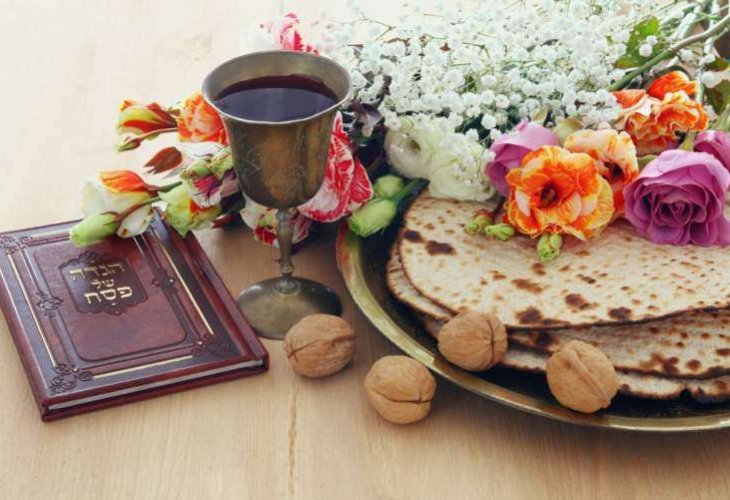 (Photo: Shutterstock)
We are rapidly approaching the holiday of Passover, a time known for searching out even the smallest crumbs of chametz. Rabbi Nachman reminds us that we cannot truly find those crumbs until we first pass through Purim. In other words, the work of joy during the month of Adar and on Purim itself prepares us for the removal of chametz.
We must be careful not to turn the members of our household into “crumbs” themselves. The husband is not chametz, and the children are not a Pesach offering. When the atmosphere at home becomes tense and critical, we may unintentionally make everyone feel small and broken — similar to crumbs scattered everywhere.
“How is it possible you still haven’t cleaned? How long does it take to organize a cabinet? I can’t believe this — is this how you wash dishes? What a mess in the sink! Who leaves it like that?”
Suddenly, even the little that was done feels like nothing… And these “crumbs” lead to separations — emotional distance instead of closeness.
Distance Instead of Connection
When daily life loses its sense of connection, unity, and joy, how will we sit together at the Seder table in true harmony?
Let’s bring some order to this idea: Pesach is the festival of faith, but faith cannot enter without joy. Joy is the prerequisite for anything holy.
Only joy creates the inner space where a child or an adult can recognize the infinite good that God planted within them — and that awareness becomes the foundation of faith itself.
The Power of Small Joys
Rabbi Nachman teaches that one of the deeper meanings of Purim is to rejoice in every small thing, even something as tiny as a crumb.
This concept appears in a letter written by Rabbi Natan to his son Rabbi Yitzchak in the book Alim LeTerufah (Letter 63). He compares it to a bird that survives by gathering crumbs — consuming in a day many times its own weight. In the same way, a Jew sustains spiritual life through small “crumbs” of mitzvot and acts of kindness. As Rabbi Yehoshua ben Levi teaches in the Talmud: every mitzvah performed in this world comes to testify for a person in the World to Come, until even the nations will hear and say, “It is true — this is just and righteous.”
Every Small Mitzvah Has Eternal Value
The Meiri emphasizes the word “all” mitzvot — we must never treat any mitzvah lightly, whether small or great. Sometimes the seemingly minor deeds lead to eternal results greater than those we imagine to be grand. As the sages taught: “Be as careful with a light mitzvah as with a severe one, for you do not know the reward of the commandments.” Whoever fulfills mitzvot properly merits eternal life through them.
Rabbi Natan asks us to cherish every small “crumb” we manage to gather in our service of God. Imagine someone depositing only a few coins into a bank account, and one day discovering it has grown into a fortune — that is how spiritual growth works.
Creating a Home Filled with Encouragement
This perspective allows us to treat ourselves and our families with dignity and spiritual respect, preserving an atmosphere of joy. When we belittle our own progress — or the efforts of those around us, we create heaviness and stagnation instead of growth.
To arrive at Passover with a sense of true inner cleanliness, we must learn to value every small step. Every crumb matters. Every compliment and word of encouragement can create immeasurable inner blossoming.
Seeing the Greatness Within the Small
Consider the stars. They appear to us as tiny points of light, yet each one is larger than the earth itself. Sometimes you may feel small — weighed down by mood or circumstance, and that perspective makes others seem small too. But when you lift yourself toward the infinite good within you, suddenly everyone begins to shine with positivity.
Every small crumb we discover brings us closer to faith, in ourselves and in God.

