

Passover
Fast of the Firstborn: Who Must Fast and How to Be Exempt on Erev Pesach
Complete guide to the laws of Ta’anit Bechorot, including exemptions, seudat mitzvah participation, and special cases
- Yosef Goldfrandi
- | Updated
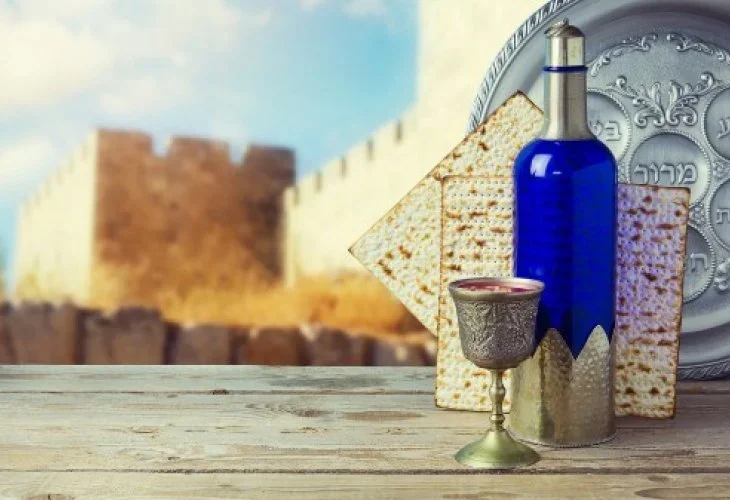
It is customary for male firstborns to fast on the eve of Pesach, in remembrance of the miracle that occurred for the firstborn of Israel during the Plague of the Firstborn in Egypt.
Who Is Obligated to Fast?
Firstborn sons, whether they are firstborn from the father or from the mother.
Some have the custom that if a man himself is not a firstborn but has a firstborn son who has not yet reached bar-mitzvah age, the father fasts on behalf of his son until the child grows up. If the father himself is also a firstborn and he has a firstborn son, the custom is that the father fasts for himself and the child’s mother fasts for the child.
However, some authorities hold that today we do not practice this stringency, especially since people are physically weaker in our generation. Therefore, it is preferable for the father to participate in a seudat mitzvah (a celebratory mitzvah meal) in order to be exempt from the fast. (The details of seudat mitzvah participation are explained below.)
Who Is Exempt from the Fast?
Anyone who is ill or unwell, such as someone with eye pain, someone bedridden, and similar cases.
A groom during the days of sheva berachot; he should not fast (though if he can easily attend a siyum, it is preferable).
A mohel, the father of a baby at a brit milah, and the sandek.
Some opinions say that a firstborn woman should fast, but our custom is that she does not fast and is exempt. If she wishes and it is feasible, it is good for her to attend a seudat mitzvah in the synagogue or receive cake from a siyum held there.
In places where firstborn women do fast: a woman who is pregnant or nursing is exempt, and she remains exempt for two years after giving birth — even if she has already stopped nursing.
If a man has a newborn firstborn son who is less than 30 days old, the father should not take on the stringency of fasting on behalf of the baby.
Participating in a Seudat Mitzvah
In later generations, since physical weakness has increased and fasting may interfere with properly conducting the Seder, the custom developed for firstborns to end the fast by participating in a seudat mitzvah, and they have halachic basis to rely upon.
Meals Considered a Seudat Mitzvah
A siyum (completion of a tractate of Talmud or significant Torah study)
A wedding meal during the seven days of celebration
A brit milah meal
A pidyon haben
A bar-mitzvah meal held exactly on the boy’s 13th birthday when it falls on Erev Pesach
Requirements for Those Joining a Siyum
To be exempt from the fast, participants must:
Hear the completion of the tractate.
Eat at least a kezayit (about 27 grams) of food at the siyum meal.
Someone who merely tasted a kezayit but did not hear the siyum is not exempt.
Likewise, someone who heard the siyum but did not eat a kezayit is not exempt.
In pressing circumstances, an individual may exempt himself by completing a tractate of Mishnah with understanding. Learning without comprehension does not exempt one from the fast.
Someone who studied a section of the Zohar, even without full understanding but by reading it, may make a siyum that exempts both himself and others who join the seudat mitzvah.
A firstborn who began fasting because he could not find a seudat mitzvah but later found one should participate and thereby stop fasting.
Participation in a bar-mitzvah meal is effective only if the celebration takes place exactly on the boy’s 13th birthday — not merely when he is already thirteen or before reaching that age.
Laws Regarding Mourners
A mourner within the first twelve months after losing a parent who is a firstborn may attend a siyum on Erev Pesach to exempt himself from fasting.
Likewise, a mourner within thirty days for other relatives may attend a siyum to exempt himself.
However, a mourner within the seven-day shivah period should not attend a siyum to exempt himself from the fast. If he is weak and fasting might prevent him from properly conducting the Seder night, he may redeem the fast by giving charity instead.

