

Wonders of Creation
Nature's Wonders: How Trees Coordinate Their Annual Seed Production
Why do some years bring a flood of acorns and cones? Discover how trees synchronize seed production and how this remarkable cycle shapes entire forest ecosystems.
- Yosef Yabece
- | Updated
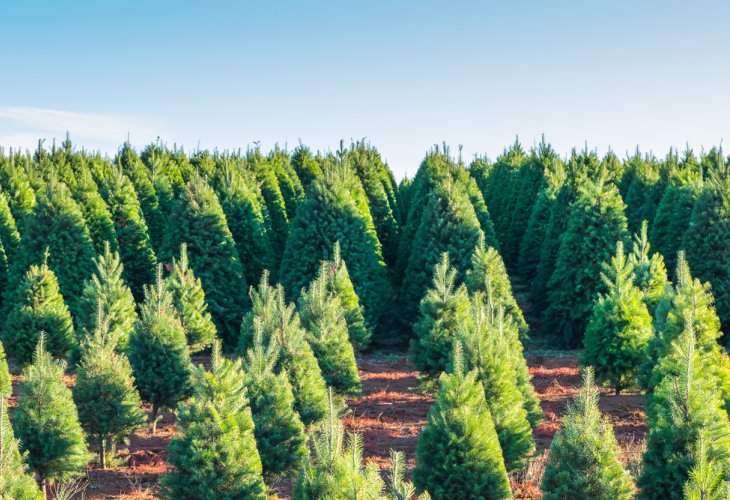 Photo by Shutterstock
Have you ever noticed that in some years trees such as oak, pine, and spruce produce an overwhelming number of seeds? In these special seasons, known as mast years, the ground may be covered with acorns, cones, or seeds. Sometimes it feels almost impossible to walk through a park without stepping on them.
During mast years, many trees bloom and release seeds at the same time in a phenomenon known as masting. This abundance provides the seeds needed for a new generation of trees and plays an important role in renewing forests. But the effects go far beyond the trees themselves. The extra supply of seeds feeds rodents, birds, and other animals, which often leads to an increase in their populations and, later on, in the predators that depend on them.
Why Trees Do Not Produce the Same Amount Every Year
Trees that produce seeds in mast cycles do not release the same amount every year. Instead, they produce a very large crop in one year followed by several years of reduced production.
In many regions, trees even synchronize their seed production, so that large areas may experience a mast year at the same time, sometimes across hundreds of miles.
One explanation for this pattern is energy conservation. Producing a large seed crop requires a great deal of energy. Trees make their food through photosynthesis, using sunlight to turn carbon dioxide into sugars and starches. Because resources are limited, after a heavy seed year trees often need time to rebuild their stored energy before producing another large crop.
How Mast Years Affect Nature
Mast years can have a major impact on the local ecosystem. One explanation, known as the predator satiation idea, suggests that producing huge quantities of seeds helps trees survive. When there is an enormous supply of seeds, animals cannot eat them all, allowing many seeds to sprout and grow into new trees.
During the years between mast events, when fewer seeds are available, animal populations may decline because of the reduced food supply. When the next mast year arrives, enough seeds remain uneaten to support forest renewal.
Another possible explanation is that trees that depend on wind to spread their seeds benefit from releasing many seeds at the same time. A large wave of seeds may travel farther and establish more new trees than a small and steady release.
A Mystery Scientists Are Still Studying
Even though scientists have studied mast years for many years, the exact reason trees synchronize their seed production is still not fully understood. Some researchers believe that weather patterns such as temperature and rainfall may play a role, but there is still no complete explanation for why some years produce much larger seed crops than others.
A Quiet Wisdom in Nature
Mast years remind us how carefully balanced nature is. Even trees follow rhythms that support the renewal of forests and the life of countless animals.
The next time you walk through a park and hear acorns crunch beneath your feet, you may be witnessing one of nature’s remarkable cycles; a quiet system that helps forests thrive year after year.

