

Passover
Chametz and Matzah: Pesach Laws Explained
A clear guide to the halachic definitions of chametz, matzah, mixtures, nullification, rich matzah, and key Sephardic and Ashkenazic differences
- Yosef Goldfrandi
- | Updated
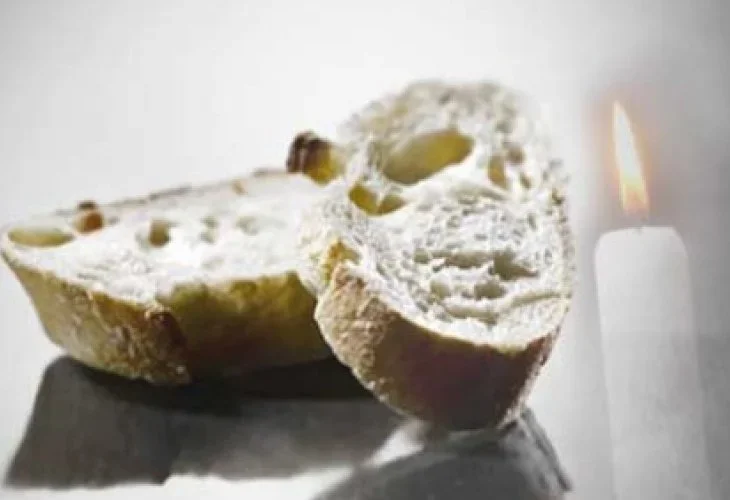
Only the five species of grain can become chametz: wheat, barley, oats, rye, and spelt. For dough to become chametz, three conditions are required:
It must be made from one of the five grains.
It must be mixed with water.
The mixture of grain and water must remain idle (without kneading) for approximately 18 minutes.
As long as the dough is continuously kneaded — even all day, it will not become chametz.
Chametz
Chametz is dough from one of the five grains that has fermented after contact with water and is fit even for a dog to eat.
Chametz is biblically forbidden on Pesach.
Se’or (Sourdough / Leaven)
Grain that fermented to the point that it is no longer fit even for a dog to eat and can cause other dough to ferment.
Essentially, this refers to yeast or sourdough starter.
Even though it is unfit for consumption, it remains biblically forbidden because it can be used to leaven other foods.
Matzah
Matzah is dough made from one of the five grains mixed with water and baked before fermentation occurs.
Chametz Nuksha (Questionable Chametz)
Dough from the five grains that began fermenting but was never fit for consumption except under extreme circumstances (e.g., glue made from flour).
This type of chametz is rabbinically prohibited, not biblically.
Chametz That Is Unfit Even for a Dog
Chametz that spoiled before the prohibition took effect and became so deteriorated that even a dog would not eat it loses its halachic status as chametz.
It is permitted on Pesach, both biblically and rabbinically.
Examples:
Cleaning products, even if they contain chametz ingredients, are permitted, since they are not edible.
Cosmetics, makeup, lipstick, perfume, shoe polish, toothpaste, cigarettes, and similar items.
Strictly speaking, there is no obligation to buy “Kosher for Pesach” toothpaste, even if flavored, since it is not fit for consumption.
Chametz on Pesach
Chametz is forbidden not only when eaten directly but even when mixed into other food. There is, however, a distinction between mixtures before Pesach and during Pesach:
Before Pesach:
Chametz is nullified if there is 60 times its volume in permitted food.
If chametz fell into food before Pesach and there is a 60:1 ratio, the mixture is permitted on Pesach.
During Pesach:
Chametz is forbidden even in the smallest amount.
Even a single grain of wheat falling into a dish during Pesach prohibits the entire dish — even if there is 1,000 times its volume.
“Chozer VeNe’or” (Reawakening)
If chametz was nullified before Pesach in a 60:1 ratio, there is a dispute whether it “reawakens” on Pesach.
Sephardic ruling: Chametz does not reawaken. Once nullified before Pesach, it remains permitted during Pesach.
Ashkenazic ruling: Chametz does reawaken on Pesach and renders the mixture forbidden.
Contributing a Negative Taste
The Torah forbids not only the physical substance of non-kosher food but also its taste.
For example, if non-kosher meat was cooked in water and removed, the remaining flavored water is still forbidden.
However, if the absorbed taste becomes spoiled (after 24 hours), it is considered a “negative taste.”
As a general rule:
Positive taste is forbidden.
Negative taste is forbidden initially but permitted after the fact.
Regarding chametz on Pesach:
Sephardic ruling: A spoiled chametz taste is permitted after the fact.
Ashkenazic ruling: Even spoiled chametz taste is forbidden on Pesach.
For example, if someone mistakenly cooked Pesach food in a clean but non-kosher-for-Pesach pot:
Sephardim: If the pot had not been used for chametz in 24 hours, the food is permitted after the fact.
Ashkenazim: The food is forbidden.
All discussions of “negative taste” apply only after the fact; ideally, one should not cook in such utensils.
Matzah Soaked in Water (“Gebrochts”)
Most authorities permit soaking baked matzah in water or other liquids, since once baked, it cannot ferment again.
Some Chassidic communities are stringent for two reasons:
Concern that parts of the matzah were not fully baked.
Concern that flour dust may remain on the surface and ferment upon contact with water.
Halachically:
The general custom is to permit soaking matzah.
Those who accepted a vow not to eat soaked matzah must seek annulment.
If one mistakenly believed it was forbidden by law, no annulment is required.
“Matzah Ashirah” (Rich Matzah)
When one of the five grains is mixed with fruit juice (not water):
According to most authorities, fruit juice alone does not cause fermentation (except Rashi, who holds it does).
If even a small amount of water is mixed with fruit juice, fermentation occurs more quickly than with water alone.
Matzah kneaded only with fruit juice or wine is called “rich matzah.”
Sephardim: Permit rich matzah on Pesach.
Ashkenazim: Prohibit it for two reasons:
Concern for Rashi’s opinion.
Concern that water may have mixed in.
However, Ashkenazim permit rich matzah for the elderly, ill, or children below the age of education. Cookies made only with fruit juice or wine are permitted for Sephardim on Pesach.
These halachic concepts form the foundation for understanding the laws of chametz and matzah during Pesach.

