

Passover
Mimouna: Meaning, Customs and Mofletta Recipe
Discover the origins of Mimouna, its message of faith and unity, traditional customs, blessings, and how to prepare authentic Moroccan mofletta
- Yonatan HaLevi
- | Updated
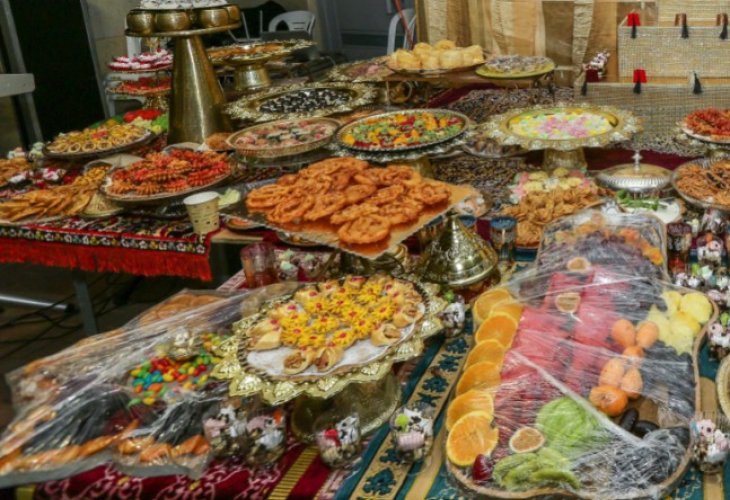 <i>Mimouna</i> (Photo: Edi Israel/Flash90)
Mimouna is a traditional celebration observed by Jews of North African origin, especially Moroccan Jews. It takes place on the evening following the last day of Pesach.
The Meaning Behind the Name
The name Mimouna is commonly understood to derive from the word “emunah” — faith.
The custom began as a way to strengthen the spirit of the Jewish people. After the festival of Pesach ended and redemption had not yet come, Mimouna served as a reminder that although the Geulah (Redemption) had not yet arrived, we continue to believe with full faith in the coming of Mashiach, speedily in our days.
Another view suggests that Mimouna commemorates the yahrzeit (anniversary of passing) of the father of the Rambam (Maimonides), which is said to fall on this date.
More Than Just Mofletta
Many people associate Mimouna primarily with mofletta, but the celebration is much more than that.
On Mimouna night, it is customary to go from house to house, strengthening bonds of friendship and unity among the Jewish people. It is a night of hospitality, and many families leave their doors open so that anyone who wishes may enter — not only invited guests or relatives.
Why So Many Sweets?
The tables are filled predominantly with sweet foods, symbolizing the hope for sweetness and blessing in all areas of life.
Most of the treats served are prepared during Pesach and therefore contain only kosher-for-Pesach ingredients such as:
Dates
Peanuts
Almonds
Walnuts
Sugar
No flour or chametz ingredients are used in these sweets. The flour-based foods, including mofletta, are prepared only after Pesach has ended, shortly before serving.
Why Eat Chametz Immediately?
Eating mofletta and other chametz foods on Mimouna demonstrates that our abstention from chametz during Pesach was solely because of Hashem’s command. Once the festival ends, chametz becomes permitted again.
The Blessing on Mofletta
Mofletta is made from regular dough and is fried rather than baked. Because its batter is soft, its blessing is “Borei Minei Mezonot.”
However, if one eats approximately 216 grams, one must:
Wash hands
Recite Hamotzi before eating
Recite Birkat Hamazon afterward
The Traditional Greeting
The common Mimouna blessing is “Tirvachu v’tis’adu” which means, may you prosper and experience abundance — and may you also be able to host and assist others.
Celebrating With Sanctity
Unfortunately, in some places the deeper meaning of Mimouna has been overshadowed by behaviors not in keeping with Torah values. It is important to preserve the holiness of the Jewish people and celebrate in a modest and dignified manner.
Mimouna and Music
Mimouna usually falls on the same day as Isru Chag (the day following Pesach). According to the opinion of Rabbi Ovadia Yosef, it is permitted to listen to music on Isru Chag of Pesach, even though the customs of the Omer period have already begun.
How to Make Traditional Mofletta
Ingredients:
1 kilogram sifted flour
1 tablespoon salt
1 teaspoon dry yeast
25 grams margarine
3 cups lukewarm water (add gradually while mixing)
1 tablespoon sugar
Instructions:
Place all ingredients in a mixer and knead for about five minutes.
Divide the dough into approximately 40 small balls.
Dip each ball in oil and coat all sides.
Let the balls rest on a tray for 30 minutes.
With oiled hands, flatten each ball thinly and place it in a frying pan.
When the first mofletta is ready, place another on top and flip them together.
Continue stacking and flipping until a tall pile of moflettot is formed.
Serve warm with butter and honey — and celebrate with joy, faith, and unity.

