

Magazine
One Last Chance: The Mischievous Boy Who Refused to Give Up
After a shocking prank led to his expulsion, one boy made a desperate request that left the rabbi and teachers speechless.
- Naama Green
- | Updated
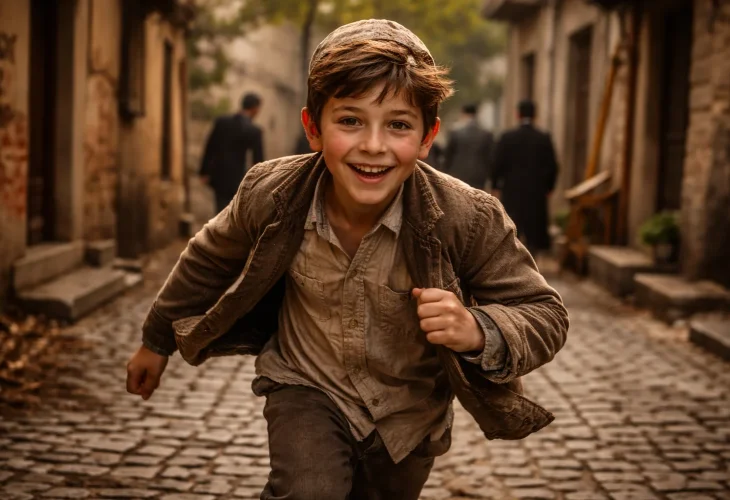 Illustrative photos
Several years ago, an engagement celebration took place in the United States. A rabbinical student became engaged to the granddaughter of a rosh yeshiva. During the celebration, the groom’s grandfather rose to speak. His moving words were later published in the 'Meorot HaDaf HaYomi' bulletin.
In vivid language, he transported the audience back to a small town in Eastern Europe. The houses were old and worn, water carriers and wagon drivers filled the narrow streets, and the market bustled with activity. There was a small Torah school where cheerful children learned each day.
Among them was one boy who stood out from the rest.
He was lively, restless, and full of energy. Many of the peddlers suffered from his pranks, and housewives would quickly lock their courtyard gates when they saw him approaching. His parents were deeply distressed and did not know how to guide him.
The Prank That Went Too Far
One day the mischievous boy crossed a line that could not be ignored. He secretly brought a goat into the synagogue and hid it inside the Holy Ark.
In the middle of the prayer service, the frightened goat burst out of the Ark before the stunned worshippers. The shocking incident led the teachers of the Torah school to expel him permanently.
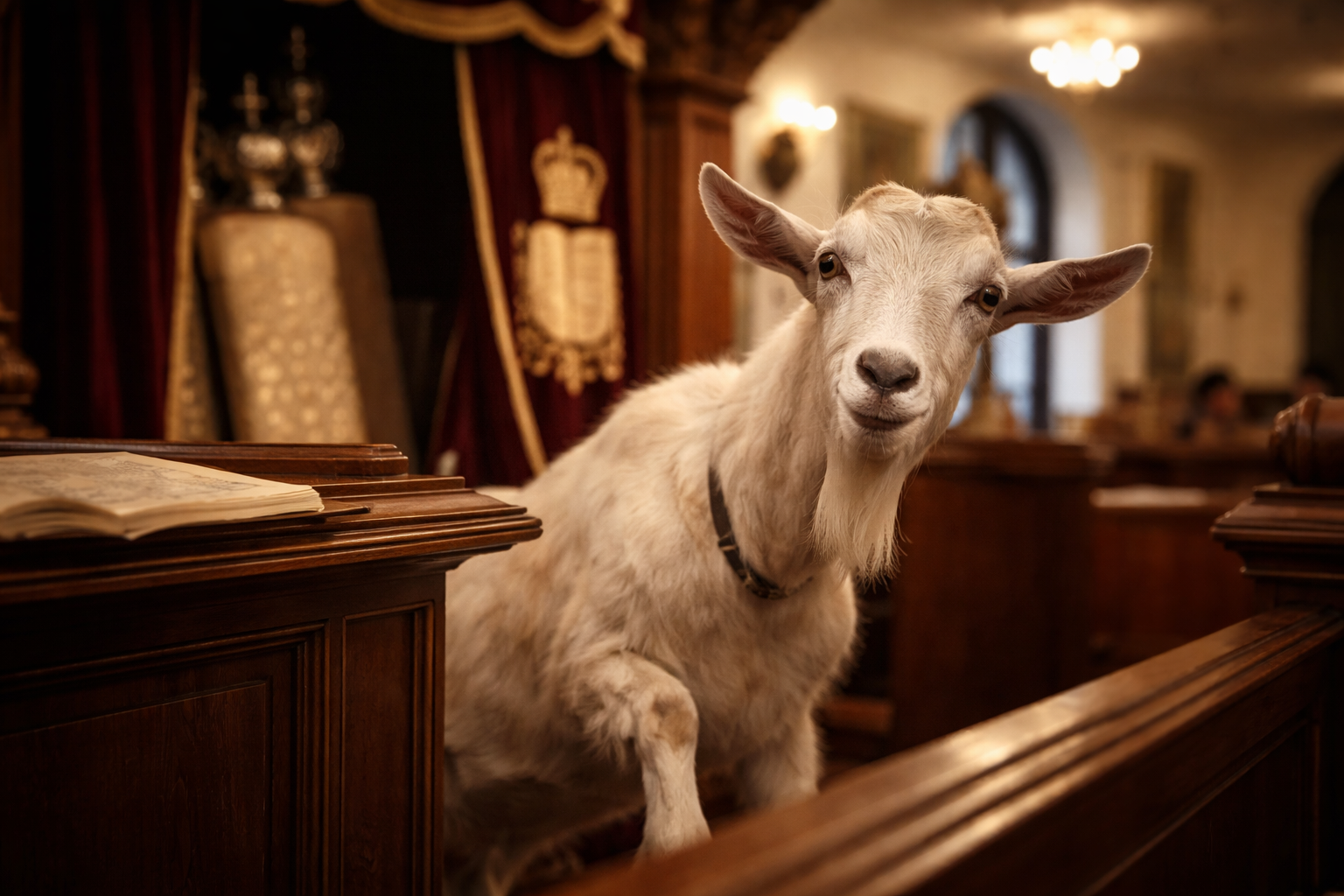
For the boy, it seemed that his future had come to an end.
A Desperate Request
A few days later, the boy returned and begged to be accepted back into the Torah school. The teachers explained that the decision was final. His behavior had gone too far.
But the boy refused to give up.
"I am not willing to be thrown out like this," he said firmly. "Let us go to the town rabbi, and whatever he decides I will accept."
The teachers agreed and brought the boy before the rabbi.
One of the teachers described the long history of pranks and misbehavior.
"We have decided unanimously," the teacher declared, striking the table with his hand, "that his place is not in the Torah school. But he insists that the rabbi decide. If the rabbi rules that he must be dismissed, so be it."
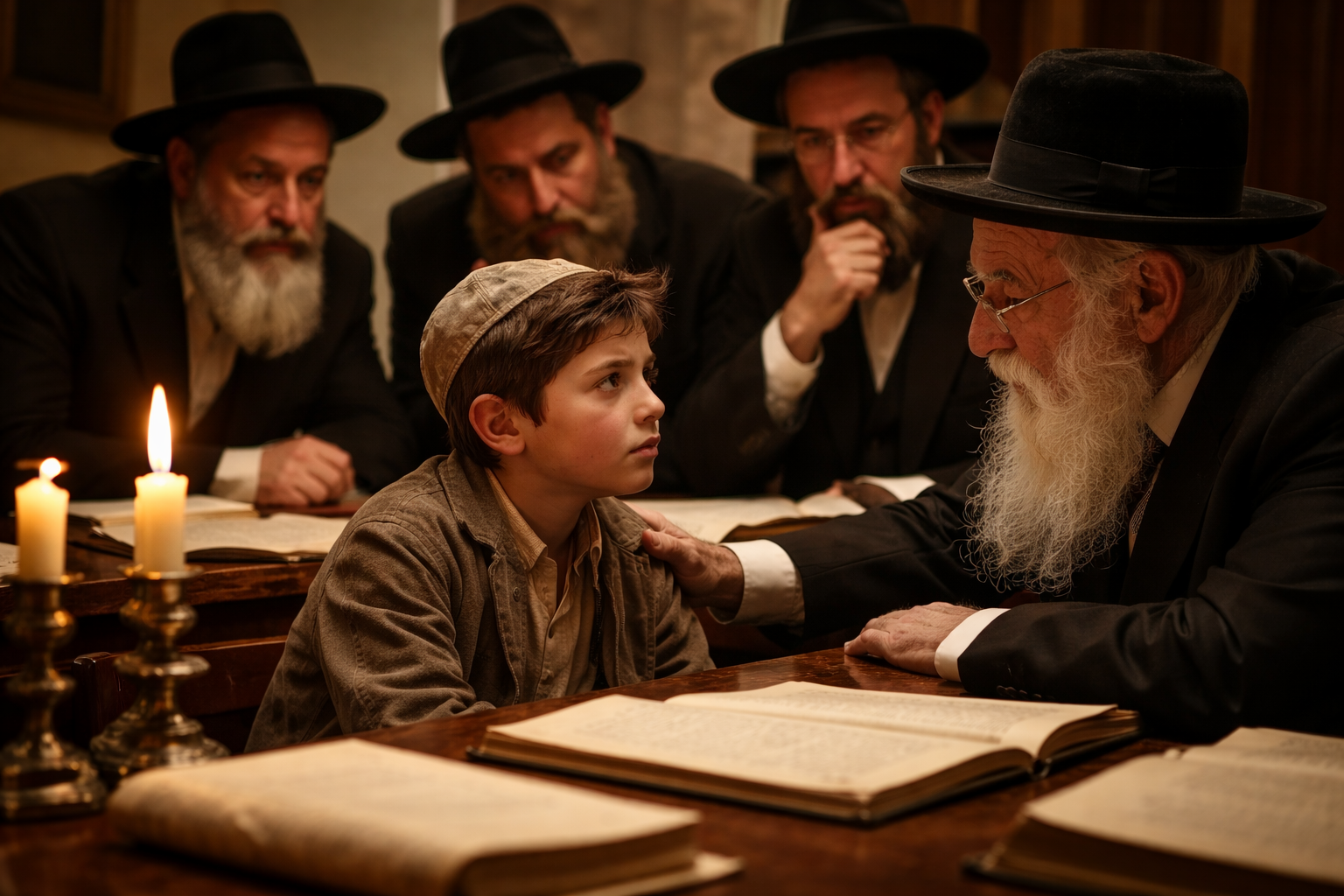
The rabbi turned gently to the boy.
"My child," he asked softly, "what would you like to say?"
Thinking About the Future
The boy hesitated and then spoke quietly.
"Perhaps it would be worth consulting a few more people."
"Whom do you mean?" the rabbi asked.
With tears in his eyes, the boy replied:
"My children and my grandchildren."
One of the teachers nearly lost his patience, thinking the boy was mocking the rabbi. But the rabbi signaled for silence.
"What do you mean?" he asked.
Through his tears, the boy answered:
"If they throw me out of the Torah school, I will drift away. But what fault will it be of the generations after me? My sons and daughters, my grandchildren and great grandchildren, generations who will grow up far from Torah. Did they put a goat into the Holy Ark?"
"I promise in the name of the generations to come that if you let me stay, you will not recognize me. Please give me two weeks. Just two weeks for generations of Jews."
Two Weeks That Changed Everything
The boy’s sobbing filled the small room, and no one present could hold back tears. Years later, those who heard the story at the engagement celebration felt the same emotion.
It was as if the room filled with the faces of the boy’s future descendants, standing silently and waiting to hear the rabbi’s decision.
For a long moment no one spoke.
Finally the rabbi placed a gentle hand on the boy’s trembling shoulder.
"Two weeks," he said quietly. "I give you two weeks to prove that you truly care about the generations to come."
Only a few days later, one of the teachers returned to the rabbi with news.
"A complete transformation," he reported.
A Promise Fulfilled
That small town in Eastern Europe has long since disappeared, and its Jewish community was scattered in difficult times. But the boy kept his promise.
He eventually came to the United States, where he built a faithful Jewish home based on Torah and reverence for Hashem.
At the engagement celebration, the grandfather paused before concluding his story.
"Today," he said with emotion, "that once mischievous boy has the privilege of seeing his grandson become engaged to a family of Torah scholars. He fulfilled his promise to the town rabbi completely."
What began as a desperate plea for two weeks became a decision that shaped generations.

