

Magazine
The Lubavitcher Rebbe on Marriage and Healing
A blessing for healing and the Lubavitcher Rebbe's profound insight into emotional attentiveness, marriage, and wellbeing
- Naama Green
- | Updated
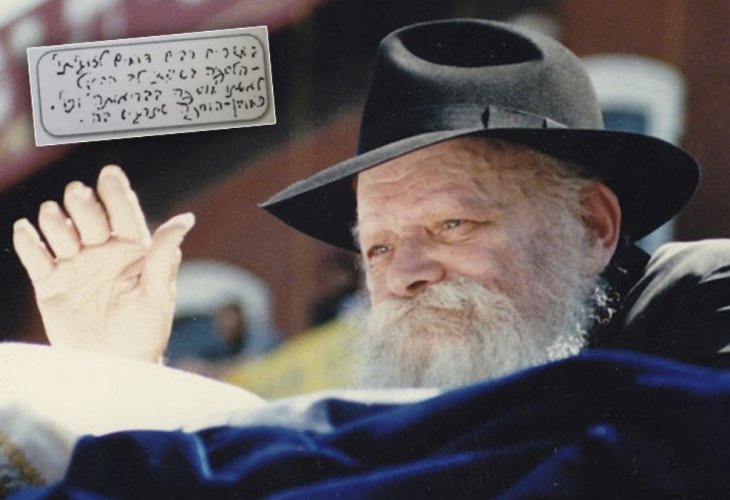 The Lubavitcher Rebbe
A Jewish man once approached Menachem Mendel Schneerson, the seventh Rebbe in the Chabad-Lubavitch dynasty, and asked for a blessing for his wife’s complete recovery.
The Rebbe gave the blessing as requested. Then he added the following advice to the husband: “In many cases similar to your wife’s, an increase in the husband’s attentiveness to his wife adds to her health — and, of course, an increase in a way that she should feel it.”
The message was simple yet profound: emotional attentiveness, genuine care, and visible consideration within a marriage can have tangible effects — even on physical wellbeing.
The Rebbe’s Global Influence
It is difficult to put into words the magnitude of the Lubavitcher Rebbe’s influence on the Jewish people over the past decades.
He developed and greatly expanded the global shlichut (emissary) network of Chabad. Under his leadership, thousands of Chabad Houses and educational institutions were established across the world. His teachings were published extensively during his lifetime and continue to be printed and studied widely after his passing.
The Rebbe called upon his followers to reach out wherever possible — including to Jews distant from Jewish practice — encouraging them to observe mitzvot and study Torah. He urged public outreach efforts, including going into streets, shopping centers, and other public spaces to help Jews perform mitzvot.
He also emphasized the importance of providing financial assistance to those who could not afford ritual items necessary for mitzvah observance.
A central theme in his approach was the immense value of practical mitzvot — even if performed only once, and even if the person performing them did not fully understand their deeper meaning.
Outreach With Heart
Most of the Chabad emissaries’ resources are directed toward bringing as many Jews as possible closer to Jewish tradition, Torah, and mitzvot. Beginning especially in the 1960s, their work led many Jews, both in Israel and around the world, to return to Jewish observance.
In addition, Chabad emissaries assist Jews in practical, non-religious matters as well, reflecting the Chabad view that material help is no less important than spiritual help. Many Chabad Houses operate soup kitchens and charitable initiatives for those in need.
In tourist areas, Chabad Houses often function as a kind of informal Jewish “embassy,” offering support, guidance, and even emergency assistance when necessary.

