

Counting the Omer
Counting the Omer: Meaning, Laws, and Spiritual Significance
Explore the biblical source, halachic details, mourning customs, and deeper spiritual meaning of the 49-day journey from Passover to Shavuot
- Naama Green
- | Updated
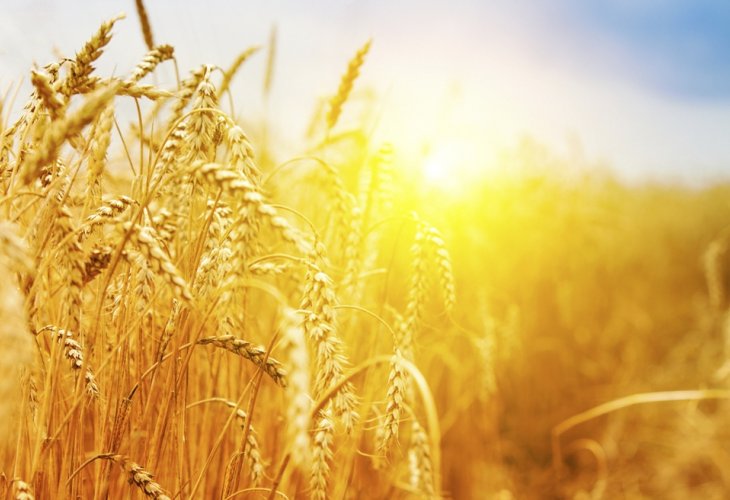 (Photo: Shutterstock)
The Counting of the Omer is the period between Passover and Shavuot. On the night following the first day of Passover, the Omer offering — the first of the barley harvest — was waved in the Temple. From that day, according to the Torah’s command, seven full weeks were counted until the festival of Shavuot.
The Source of the Mitzvah
The commandment appears in Vayikra (23:15–16): “You shall count for yourselves from the day after the Sabbath, from the day you bring the Omer of waving; seven complete weeks shall there be. Until the day after the seventh week you shall count fifty days.”
In Devarim (16:9), it is also written: “Seven weeks shall you count for yourself; from the time the sickle is first put to the standing grain you shall begin to count seven weeks. Then you shall observe the Festival of Weeks to the Lord.”
Counting the Omer is a positive commandment. When the Temple stood and the Omer offering was brought, the mitzvah was biblical (de’oraita). Today, since the Temple no longer stands and the offering is not brought, the obligation is rabbinic (derabanan).
The counting is a personal obligation for every Jew, as derived from the verse “You shall count for yourselves” — meaning each individual must count (Menachot 65b).
The Omer is counted while standing. However, if one counted while seated, the obligation is still fulfilled. Both the days and the weeks must be mentioned in the count.
Women Refrain from Work After Sunset
A custom is recorded in Orach Chaim that women refrain from certain forms of work after sunset during the Omer period, in remembrance of the students of Rabbi Akiva who died during these days. They were buried after sunset, and work ceased at that time.
The mourning stems from the tragic death of tens of thousands of Torah scholars in a short period, leaving the world spiritually desolate — “the world was left barren of Torah,” as the Midrash describes it.
A Season of Agricultural Vulnerability
Midrash Vayikra Rabbah states: “May He protect us from harmful winds and harmful dews — during these seven weeks between Passover and Shavuot.”
This period coincides with the harvest season, when crops are especially vulnerable. Unstable weather, heat waves, late spring rains, strong winds, plant diseases, and even fires can threaten the grain. During these days, special prayer is appropriate for the year’s sustenance and livelihood.
A Time to Pray for Sustenance
Rabbi David Abudarham explains another reason for counting the Omer: “Because the world is in distress from Passover until Shavuot over the grain and the trees, therefore God commanded us to count these days — so that we remember the world’s concern that the crops be successful. For they are the source of our life, and if there is no flour, there is no Torah.”
The counting reminds us of our dependence on God’s blessing for material sustenance.
Days of Judgment and Blessing
The author of Sefer HaToda’ah writes that the livelihood of the entire year is determined during these seven weeks: “These seven weeks are the time upon which the year’s sustenance depends — for abundance or, God forbid, scarcity. During them, the storehouses of blessing or, Heaven forbid, curse are opened for the entire year.”
We count the days to see how many have passed peacefully and pray that all of them be complete and blessed:
“One should pray that they all pass in wholeness, that the wheat harvest be completed with blessing, abundance, and life for the entire world throughout the year.”
Because these are days of intensified judgment extending for fifty consecutive days, there is heightened concern that they pass safely.
The Core Reason: Anticipation of the Giving of the Torah
The Sefer HaChinuch beautifully explains the essence of the mitzvah: “The entire existence of Israel is only for the Torah. For the sake of the Torah were heaven and earth created, and for the sake of the Torah were Israel redeemed from Egypt — so that they might receive the Torah at Sinai and fulfill it. Therefore, we were commanded to count from the day after Passover until the day of the giving of the Torah, to demonstrate our great longing for that precious day — like a servant yearning for shade, counting constantly the days until his freedom. For counting reveals that all one’s desire and hope are directed toward that time.”
Thus, the Counting of the Omer is not merely a calendar exercise. It is a daily expression of longing — a steady ascent from redemption to revelation, from freedom to purpose.

