

Magazine
The Israeli Winery That Carries 150 Years of Jewish History
For Eliran Aharonoff, winemaking is more than a craft. It is the legacy of a Jewish family that survived revolution, persecution, and exile to flourish in Israel.
- Michal Arieli
- | Updated
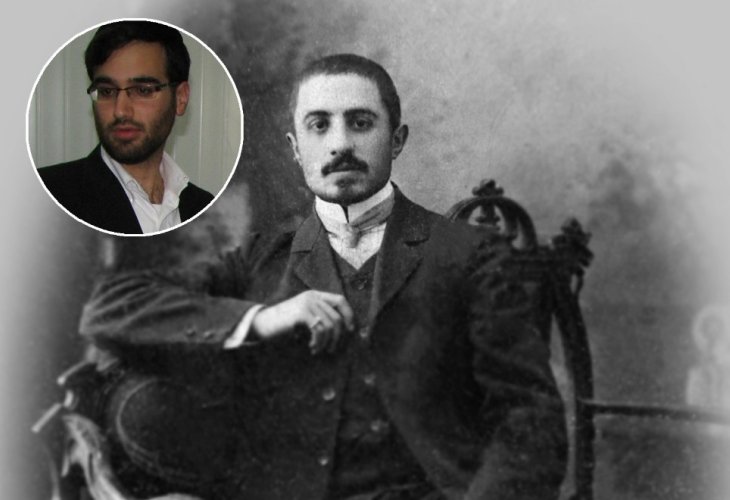 Rabi Haimov (inset: Eliran Aharonoff)
What does the word wine bring to mind? For many of us, wine appears mainly on Purim and Pesach, or for Kiddush on Shabbat. For Eliran Aharonoff, founder of Aharonoff Winery in the Judean Hills, wine is far more than a holiday beverage. It is a life’s calling, a family legacy, and a story of Jewish survival.
"I was born into a wine home," Eliran shares. "My whole family made wine. My parents, my uncles, everyone. My grandparents always made wine too, and I felt deeply connected to it. Over the years I developed a personal relationship with wine, and the process of making it fascinated me."
A Haredi yeshiva graduate with only religious schooling, Eliran never studied winemaking in a formal program. He learned entirely through hands on experience and family tradition. Along the way, he uncovered a remarkable family history.
"It is a story of Jewish courage," he says emotionally. "Our winery would not exist today if my family had not survived extremely difficult moments in history."
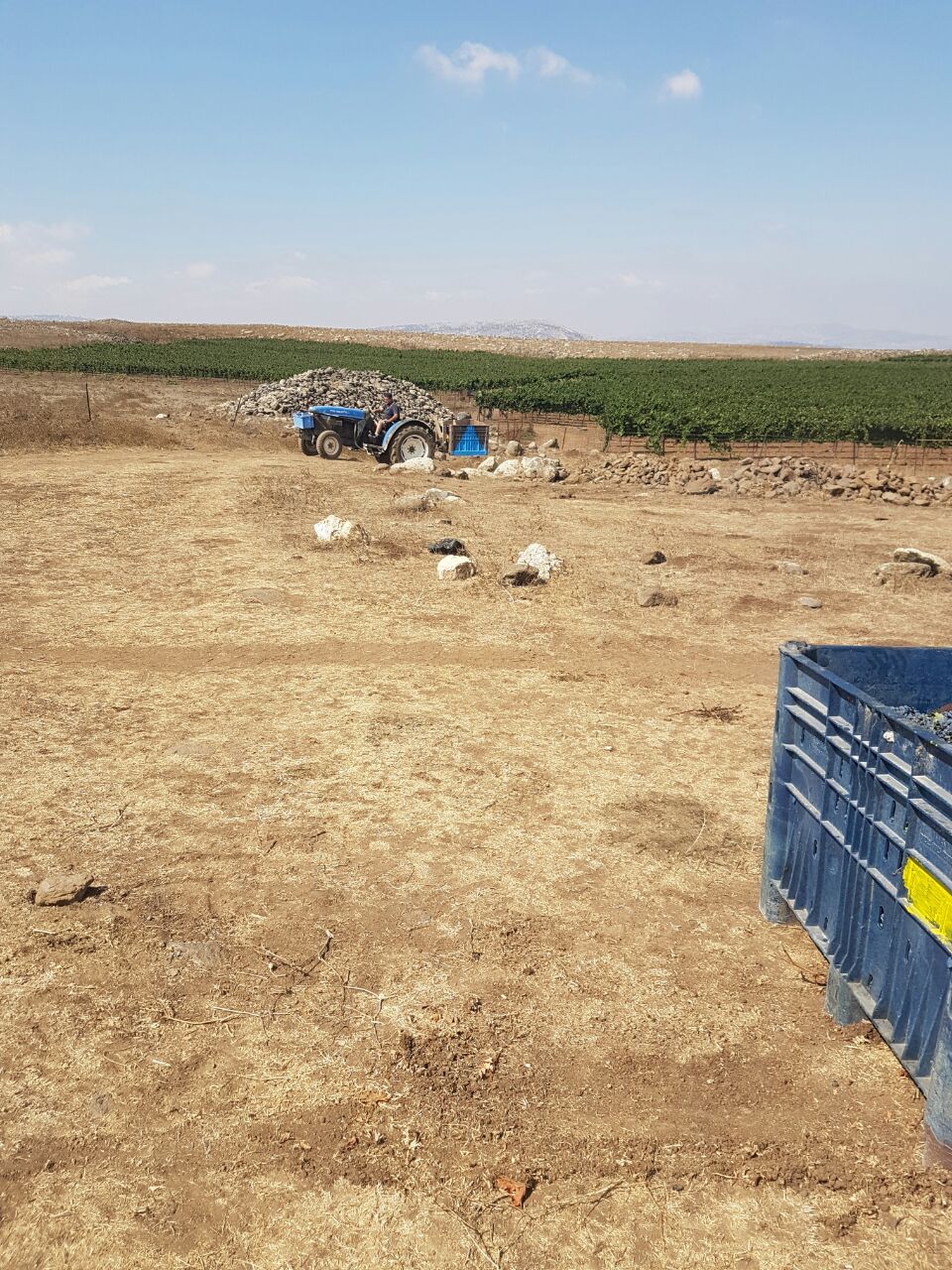 Harvesting grapes in the winery’s vineyards
The Iranian Citizenship That Saved a Jewish Family
The story begins in Bukhara more than 150 years ago.
"My great great grandfather, Rav Yona Haimov, lived in Bukhara in what is today Uzbekistan," Eliran explains. "Bukhara was entirely Muslim, and since Muslims are forbidden to drink wine, Jews were not allowed to market it publicly. Each Jewish family made its own wine for Kiddush and celebrations. That was the reality for my ancestors as well."
Grapes, however, were plentiful. Uzbekistan was fertile agricultural land, and vineyards were common. But Rav Yona stood out. While others produced wine only for personal use, his reputation grew. Jews from across the region wanted to purchase his wine. He became known for producing different types of alcohol using unique production methods.
Wine was not just a livelihood. It became a source of salvation.
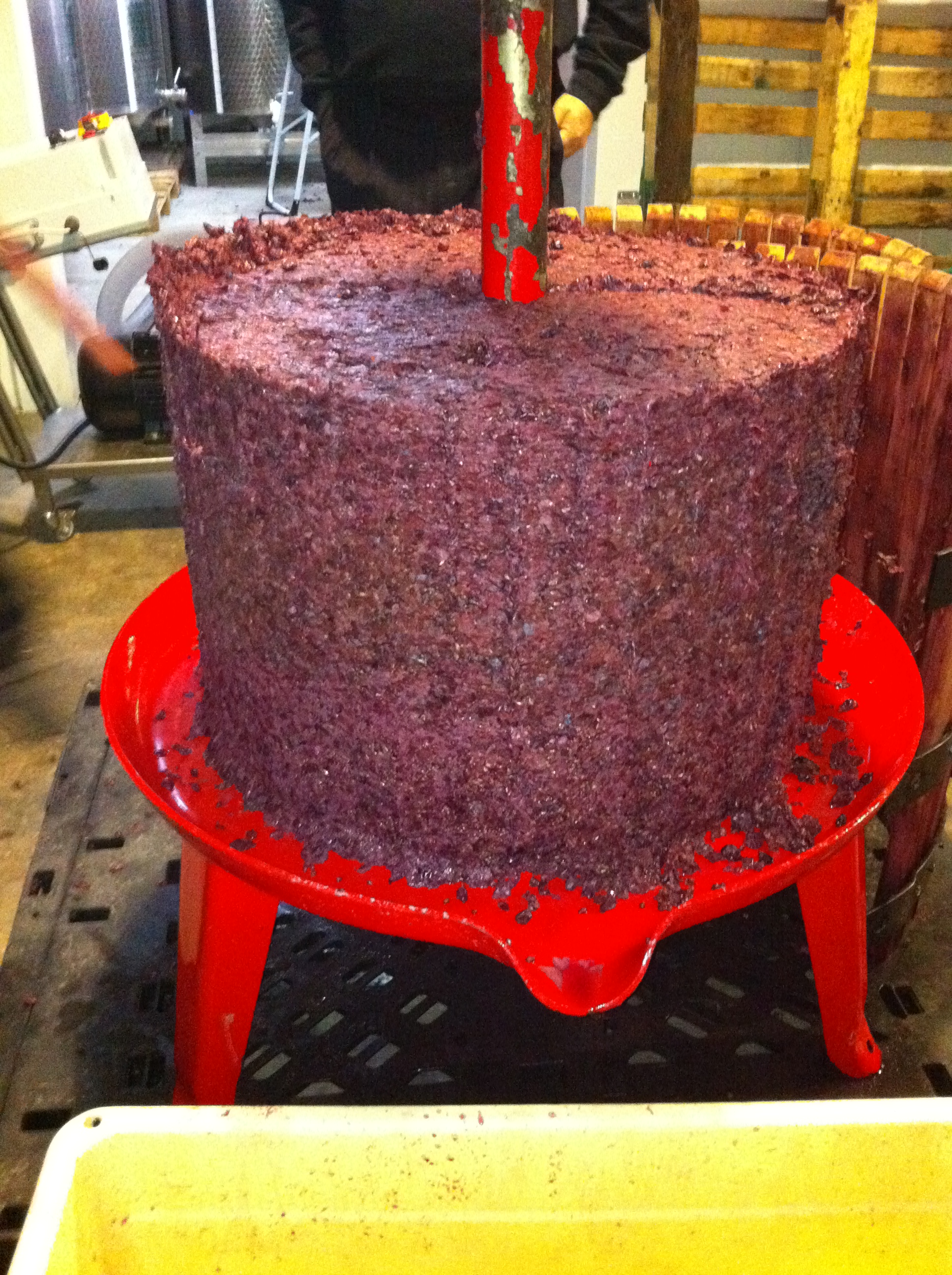 Grape pomace after traditional pressing
Under the Russian czar, Jews faced severe restrictions on trade. Rav Yona refused to abandon his work in wine. In an extraordinary move, he personally approached the Iranian ambassador in Russia and secured Iranian citizenship for his entire family in exchange for 300 gold coins.
"It was unheard of at the time," Eliran emphasizes. "No one understood why he would pay such a huge sum for something that seemed unnecessary. Only years later did it become clear that this Iranian citizenship would save his descendants’ lives."
The Bolsheviks and the Price of Faith
Rav Yona continued making wine and was able to expand his business thanks to his foreign citizenship. After his passing, his children carried on the winery, especially his son known as Rabi.
Eventually, Rav Yona’s wife and children chose to immigrate to the Land of Israel. The Iranian citizenship helped smooth their departure. They traveled through Iran and reached the Holy Land.
But Rabi remained behind in Bukhara with his young children. He and his wife decided it was more practical to continue running the wine business and move later.
That opportunity never came.
When the Bolsheviks rose to power, private trade was banned. Anyone wishing to work had to do so through the regime. In 1938, during Stalin’s brutal purges, hundreds of thousands were arrested, including many Jews. Rabi was sent to a concentration camp in Tashkent. He never returned, and his burial place remains unknown.
His wife Mazel was left a widow. With remarkable strength, she continued producing wine and teaching her children the family craft. Her son Yosef, Eliran’s grandfather, eventually realized that there was no future left for Jews in Bukhara.
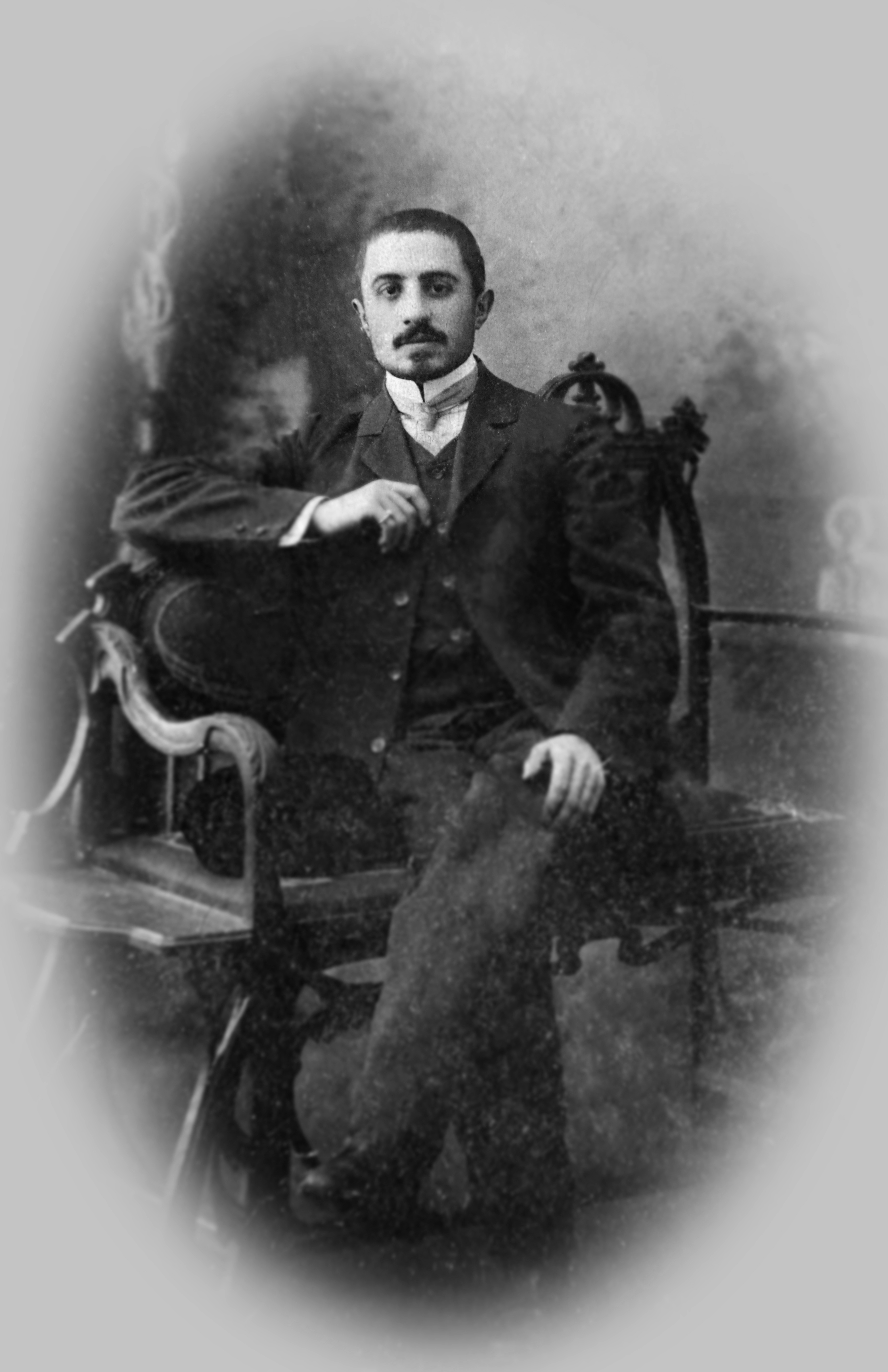 Rabi Haimov
A Miraculous Escape During World War II
World War II brought even harsher conditions. Borders were sealed. Escape seemed impossible.
Then Yosef remembered the Iranian citizenship his grandfather had secured decades earlier.
"It was nothing short of a miracle," Eliran says. "With that citizenship, Yosef and his sisters were able to escape to Iran. They bribed officials along the way and finally reached relatives there. They arrived with nothing except a few photographs and the secrets of winemaking."
Once again, a bold decision made generations earlier saved the family.
Building a Winery in the Land of Israel
In time, the Haimov family immigrated from Iran to Israel and continued making wine privately. Eliran became the first to establish a full scale winery, founding Aharonoff Winery in the Judean Hills.
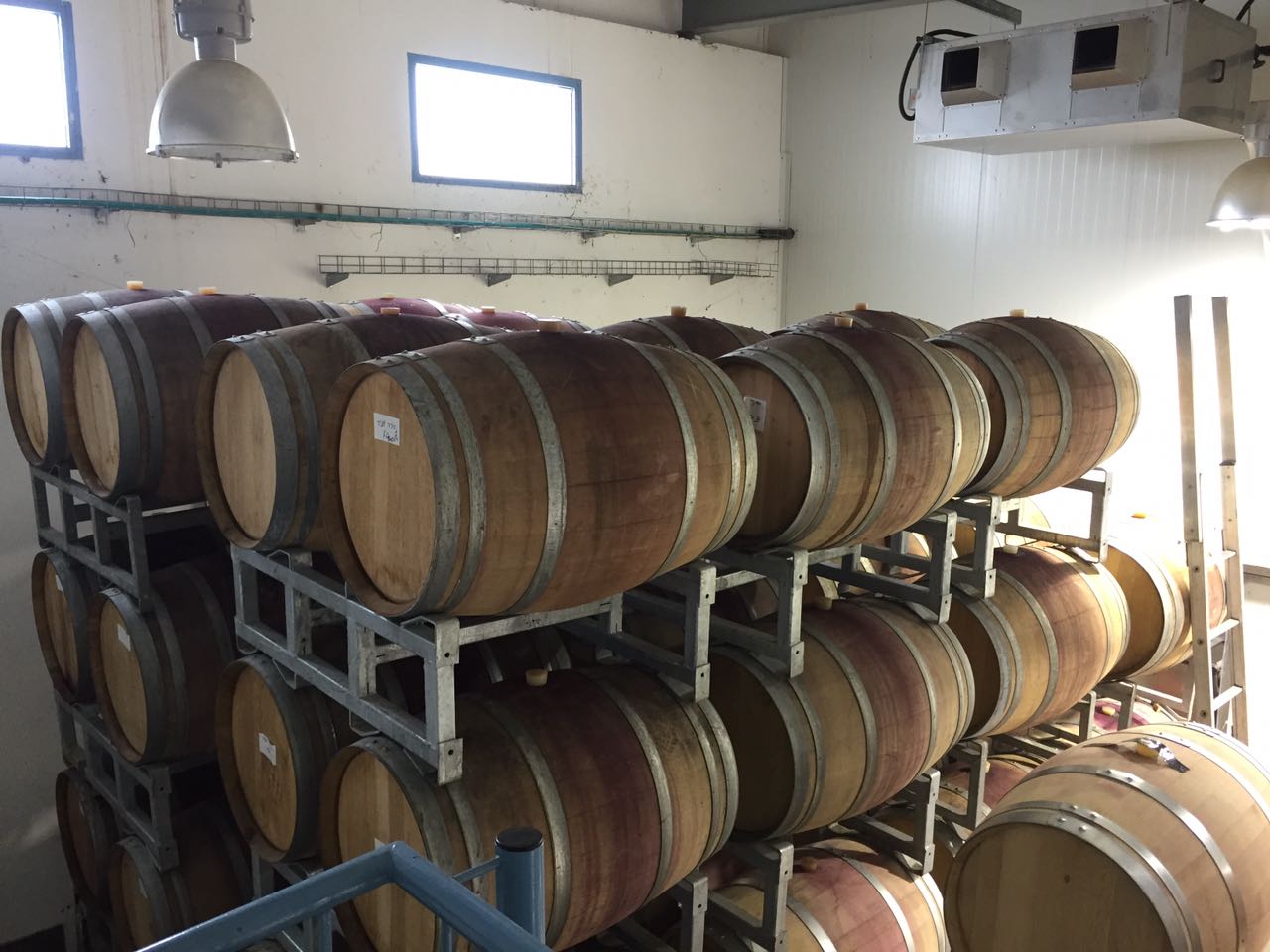 The wine barrels at Aharonoff Winery
The winery produces special varietals named after his ancestors, honoring the people whose courage ensured the family’s survival.
Do the wines follow the same traditions as in Bukhara?
"I produce the same style of wine," Eliran explains, "but I cannot replicate the exact methods. My family worked with grape varieties that do not exist in Israel today. Still, because I grew up in that world and absorbed its culture, I adapted their direction to the Israeli wine industry."
A Haredi Winemaker on a Mission
What is it like to be a Haredi winemaker in Israel?
"I feel it is truly a mission," Eliran says. "I constantly see the idea that a good drink brings distant people closer come to life. People from every background visit the winery, and each person finds something meaningful."
He recalls a memorable encounter with buyers from China who knew little about the Jewish people or the Land of Israel. When one of them noticed the kosher certification on a bottle and asked about it, Eliran saw an opportunity.
Through an interpreter, he explained about the Jewish people, the Tanach, and the holiness of the Land of Israel. He mentioned that even China is referenced in the Tanach and spoke about the Seven Species for which the Land of Israel is praised, including the grapevine.
"I explained that wine from the Land of Israel is special because it is part of the Divine gift given to us. He stood there amazed. I felt I had created a real Kiddush Hashem."
Non-Jewish tourists are often astonished to learn about agricultural mitzvot such as Shemita, Terumot and Maaserot, and Orlah.
"To us it feels natural," Eliran says. "But they cannot believe that we observe these commandments, even when it means financial sacrifice."
A Smart Tip for Drinking on Purim
Since Purim is already here, and the celebrations often continue for several days in different communities, Eliran offers timely and practical advice about drinking responsibly.
"Most people are not used to drinking wine regularly. If they drink too much, they will feel weak no matter what type it is. Since there is a mitzvah to drink wine on Purim, it is best to choose mainly dry wine. But the most important advice is to drink wine with food and never on an empty stomach. That way you can fulfill the mitzvah with real joy, without feeling nauseous, weak, or unwell."
As Purim is celebrated across Israel and around the world, his message is simple and wise: celebrate with simcha, but do it in a healthy and balanced way.

