

Special Prayers
Iggeret HaRamban: The Secret To Inner Peace And Divine Success
Unlock 10 powerful insights from the spiritual legacy of the Ramban (Nachmanides) for mastering self-control, humility, and faith
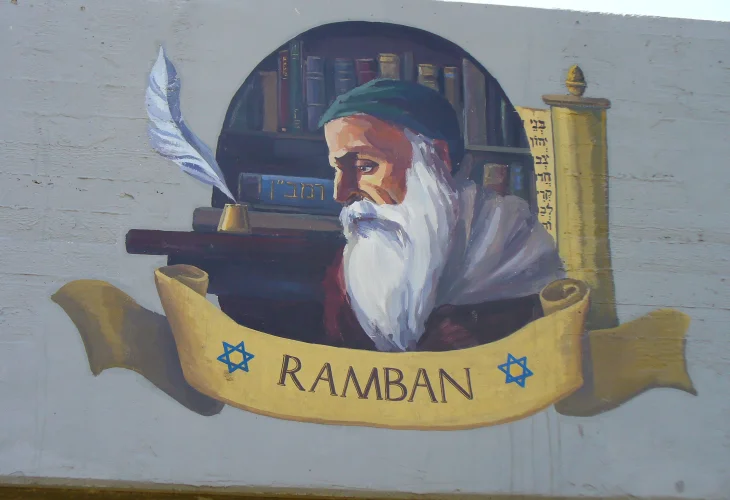 Mural Of The Ramban In The Auditorium In Acre (From Wikipedia)
10 Facts and Virtues of Iggeret HaRamban
The Ramban (Rabbi Moshe ben Nachman, also known as Nachmanides) was one of the greatest leaders of Israel during the era of the "Rishonim" and a premier commentator on the Torah.
He passed away on the 11th of Nissan, 753 years ago. Here are 10 facts you may not know about the letter he sent to his son, known as "Iggeret HaRamban."
The Ramban’s Letter: A Medieval Father’s Message That Resonates Today
1. A Spiritual Will from Father to Son Iggeret HaRamban is a letter attributed to Rabbi Moshe ben Nachman (Nachmanides), written to his son Nachman, who was living in Catalonia. The letter serves as a spiritual ethical will, focusing on the vital importance of humility and the avoidance of anger.
2. A Manual for Divine Response The letter gained widespread popularity and has been included in numerous editions of the Siddur (prayer book). In his letter, the Ramban provides foundational guidance with a variety of practical advice.
He suggests that his son read this letter at least once a week and promises that on the day he reads it, he will be answered from Heaven and merit to have his requests fulfilled.
3. The Two Pillars: Theory and Practice The letter consists of two primary sections: a philosophical part that instructs a person on how to behave and which character traits to improve, and a practical part, beginning with the words "Therefore, I shall explain," where the Ramban illustrates the proper path of conduct.
4. The Roadmap to Awe of Heaven The letter offers several paths to achieve "Yirat Shamayim" (Awe of Heaven). These include meticulousness in good traits such as humility, fear of God, speaking kindly to every person, and distancing oneself from negative traits like the pursuit of honor, pride, and anger.
The Ramban's Letter
5. The Recipe for Personal Growth The Ramban guides his son through stages of personal development—from restraining anger to acquiring humility, ultimately leading to a deep connection with the Creator. The recipe begins with the advice to speak gently.
Simply do not raise your voice. Master this, and you gain mastery over yourself—a feat that is no simple task. Iggeret HaRamban has proven highly effective for many.
6. From Torah Study to Practical Action The letter provides guidance on how to draw practical conclusions from Torah study: "Be careful to always read the Torah so that you may fulfill it. And when you rise from the book, search through what you have learned to see if there is something in it that you can put into practice."
7. Reclaiming Control through Trust In the booklet "Michtav L'Dorot," Rabbi Avraham Chaim Feuer explains that when a person feels they must control everything, they become stressed by every worrying situation. This leads to shouting in a desperate attempt to grab the reins of a world that was never in their hands.
In contrast, one who trusts in God remains calm, knowing that God (Hashem) runs the world. There is no need to shout; what is decreed from Heaven will be.
8. Depth in Every Word Many commentaries have been written on the Ramban’s advice to "Speak all your words gently to every person at all times."
- "All your words": Including words of rebuke or criticism.
- "To every person": Even to one who speaks harshly to you.
- "At all times": Especially during moments when patience is hardest to maintain.
9. The Secret to Jewish Motherhood Several years ago, Rebbetzin Kanievsky a"h gave a piece of advice to a woman who asked, "What can I do to be a better mother?" The Rebbetzin’s answer was: "Read Iggeret HaRamban twice a week."
How to Cultivate True Humility: Ramban’s Letter and Torah Insights
10. A Connection to the Tzaddik Light a candle in memory of the Ramban (Rabbi Moshe ben Nachman) and read the letter with intention. By internalizing these words, one aligns their heart with the spiritual frequency of the great Sage.
שְׁמַע בְּנִי מוּסַר אָבִיךָ, וְאַל תִּטֹּשׁ תּוֹרַת אִמֶּךָ: תִּתְנַהֵג תָּמִיד לְדַבֵּר כָּל דְּבָרֶיךָ בְּנַחַת, לְכָל אָדָם וּבְכָל עֵת, וּבָזֶה תִּנָּצֵל מִן הַכַּעַס, שֶׁהִיא מִדָּה רָעָה לְהַחֲטִיא בְנֵי אָדָם.
וְכֵן אָמְרוּ רַבּוֹתֵינוּ זִכְרוֹנָם לִבְרָכָה, "כָּל הַכּוֹעֵס כָּל מִינֵי גֵּיהִנָּם שׁוֹלְטִין בּוֹ", שֶׁנֶאֱמַר: הָסֵר כַּעַס מִלִּבֶּךָ, וְהַעֲבֵר רָעָה מִבְּשָׂרֶךָ, וְאֵין רָעָה אֶלָּא גֵהִנָּם, שֶׁנֶּאֱמַר: "וְגַם רָשָׁע לְיוֹם רָעָה".
Shema beni musar avicha, ve'al tintosh torat imecha: Titnaheg tamid ledaber kol devarecha benachat, lechol adam uvechol et, uvaze tinatzel min haka'as, shehi midah ra'ah lehachti benei adam. Vechein ameru raboteinu zichronam livrachah,
"kol hako'es kol minei geihinnom sholtin bo", shene'emar: Haseir ka'as milibecha, ve'ha'aveir ra'ah mivesarecha, ve'ein ra'ah ela geihinnom, shene'emar: "Vegam rasha leyom ra'ah".
וְכַאֲשֶׁר תִּנָּצֵל מִן הַכַּעַס, תַּעֲלֶה עַל לִבְּךָ מִדַּת הָעֲנָוָה שֶׁהִיא מִדָּה טוֹבָה מִכָּל הַמִּדּוֹת טוֹבוֹת, שֶׁנֶאֱמַר: עֵקֶב עֲנָוָה יִרְאַת ה'. וּבַעֲבוּר הָעֲנָוָה, תַּעֲלֶה עַל לִבְּךָ מִדַּת הַיִרְאָה, כִּי תִתֵּן אֶל לִבְּךָ תָּמִיד: מֵאַיִן בָּאתָ, וּלְאַן אַתָּה הוֹלֵךְ, וְשֶׁאתָּה רִמָּה וְתוֹלֵעָה בְּחַיֶיךָ, וְאַף כִּי בְּמוֹתֶךָ, וְלִפְנֵי מִי אַתָּה עָתִיד לִתֵּן דִּין וְחֶשְׁבּוֹן, לִפְנֵי מֶלֶךְ הַכָּבוֹד, שֶׁנֶאֱמַר:
הִנֵּה הַשָּׁמַיִם וּשְׁמֵי הַשָּׁמַיִם לֹא יְכַלְכְּלוּךָ, אַף כִּי לִבּוֹת בְּנֵי אָדָם, וְנֶאֱמַר: הֲלֹא אֶת הַשָּׁמַיִם וְאֶת הָאָרֶץ אֲנִי מָלֵא נְאֻם ה'. וְכַאֲשֶׁר תַּחֲשׁוֹב אֶת כָּל אֵלֶּה, תִּירָא מִבּוֹרַאֲךָ וְתִשָּׁמֵר מִן הַחֵטְא, וּבְמִדּוֹת הָאֵלֶּה תִּהְיֶה שָׂמֵחַ בְּחֶלְקֶךָ.
Vechasher tinatzel min haka'as, ta'aleh al libcha midat ha'anavah shehi midah tovah micol hamidot tovot, shene'emar: Ekev anavah yirat Hashem. Uva'avur ha'anavah, ta'aleh al libcha midat hayirah, ki titein el libcha tamid: Me'ayin bata, ule'an atah holech, veshe'atah rimah veto'le'ah bechayecha, ve'af ki bemotecha, velifnei mi atah atid litein din vecheshbon, lifnei melech hacavod, shene'emar:
Hineh hashamayim ushmei hashamayim lo yechalcelucha, af ki libot benei adam, vene'emar: Halo et hashamayim ve'et ha'aretz ani male neum Hashem. Vechasher tachshov et kol eileh, tira mibora'acha vetishamer min hacheit, uvamidot ha'eleh tihyeh same'ach bechelkecha.
וְכַאֲשֶׁר תִּתְנַהֵג בְּמִדַּת הָעֲנָוָה לְהִתְבּוֹשֵׁשׁ מִכָּל אָדָם וּלְהִתְפַּחֵד מִמֶּנּוּ וּמִן הַחֵטְא, אָז תִּשְׁרֶה עָלֶיךָ רוּחַ הַשְּׁכִינָה, וְזִיו כְּבוֹדָהּ, וְחַיֵּי עוֹלָם הַבָּא. וְעַתָּה בְּנִי דַע וּרְאֵה, כִּי הַמִּתְגָּאֶה בְלִבּוֹ עַל הַבְּרִיוֹת, מוֹרֵד הוּא בְּמַלְכוּת שָׁמַיִם, כִּי מִתְפָּאֵר הוּא בִּלְבוּשׁ מַלְכוּת שָׁמַיִם, שֶׁנֶאֱמַר השם מָלָךְ גֵּאוּת לָבֵשׁ וגו'. וּבַמֶּה יִתְגָּאֶה לֵב הָאָדָם? אִם בְּעֹשֶׁר, ה' מוֹרִישׁ וּמַעֲשִׁיר, וְאִם בְּכָבוֹד, הֲלֹא לֵאלֹהִים הוּא, שֶׁנֶאֱמַר:
וְהָעֹשֶׁר וְהַכָּבוֹד מִלְּפָנֶיךָ, וְאֵיךְ מִתְפָּאֵר בִּכְבוֹד קוֹנוֹ?! וְאִם מִתְפָּאֵר בְּחָכְמָה – "מֵסִיר שָׂפָה לְנֶאֱמָנִים, וְטַעַם זְקֵנִים יִקָּח": נִמְצָא הַכֹּל שָׁוֶה לִפְנֵי הַמָּקוֹם בָּרוּךְ הוּא, כִּי בְאַפּוֹ מַשְׁפִּיל גֵּאִים, וּבִרְצוֹנוֹ מַגְבִּיהַּ שְׁפָלִים, לָכֵן הַשְׁפִּיל עַצְמְךָ וִינַשַּׂאֲךָ הַמָּקוֹם.
Vechasher titnaheg bemidat ha'anavah lehitboshesh micol adam ulehitpached mimenu umin hacheit, az tishreh alecha ruach hashchinah, veziv kevoda, vechayei olam haba. Ve'atah beni da ure'eh, ki hamitga'eh belibo al habriyot,
mored hu bemalchut shamayim, ki mitpa'er hu bilvush malchut shamayim, shene'emar Hashem malach ge'ut lavesh vegu'. Uvameh yitga'eh lev ha'adam? Im be'osher, Hashem morish uma'ashir, ve'im bechavod, halo lelohim hu, shene'emar:
Veha'osher vehacavod milfanecha, ve'eich mitpa'er bichvod kono?! Ve'im mitpa'er bechochmah – "meisir safah lene'emanim, veta'am zekenim yikach": Nimtza hakol shaveh lifnei hamakom baruch hu, ki ve'apo mashpil ge'im, uvirtzono magbi'ah shefalim, lachen hashpil atzmecha viynase'acha hamakom.
עַל כֵּן אֲפָרֵשׁ לְךָ אֵיךְ תִּתְנַהֵג בְּמִדַּת הָעֲנָוָה לָלֶכֶת בָּהּ תָּמִיד: כָּל דְּבָרֶיךָ יִהְיוּ בְּנַחַת, וְרֹאשְׁךָ כָּפוּף, וְעֵינֶיךָ יַבִּיטוּ לְמַטָּה לָאָרֶץ וְלִבְּךָ לְמַעְלָה, וְאַל תַּבִּיט בִּפְנֵי אָדָם בְּדַבֶּרְךָ עִמּוֹ, וְכָל אָדָם יִהְיֶה גָּדוֹל מִמְּךָ בְּעֵינֶיךָ, וְאִם חָכָם אוֹ עָשִׁיר הוּא – עָלֶיךָ לְכַבְּדוֹ, וְאִם רָשׁ הוּא, וְאַתָּה עָשִׁיר אוֹ חָכָם מִמֶּנּוּ – חֲשֹׁב בְּלִבְּךָ כִּי אַתָּה חַיָּב מִמֶּנּוּ וְהוּא זַכַּאי מִמֶּנּוּ, שֶׁאִם הוּא חוֹטֵא הוּא שׁוֹגֵג וְאַתָּה מֵזִיד.
Al kein afareish lecha eich titnaheg bemidat ha'anavah lalechet bah tamid: Kol devarecha yihyu benachat, veroshcha kafuf, ve'einecha yabitu lematah la'aretz velibcha lema'alah, ve'al tabit bifnei adam bedabercha imo, vechol adam yihyeh gadol mimcha be'einecha, ve'im chacham o ashir hu – alecha lechabdo, ve'im rash hu, ve'atah ashir o chacham mimenu – chashov belibcha ki atah chayav mimenu vehu zakai mimcha, she'im hu chotei hu shogeg ve'atah mezid.
בְּכָל דְּבָרֶיךָ וּמַעֲשֶׂיךָ וּמַחְשְׁבוֹתֶיךָ וּבְכָל עֵת, חֲשֹׁב בְּלִבְּךָ כְּאִלּוּ אַתָּה עוֹמֵד לִפְנֵי הַקָּדוֹשׁ בָּרוּךְ הוּא, וּשְׁכִינָתוֹ עָלֶיךָ, כִּי כְּבוֹדוֹ מָלֵא הָעוֹלָם. וּדְבָרֶיךָ יִהְיוּ בְּאֵימָה וּבְיִרְאָה כְּעֶבֶד לִפְנֵי רַבּוֹ, וְתִתְבַּיֵּשׁ מִכָּל אָדָם, וְאִם יִקְרָאֲךָ אִישׁ, אַל תַּעֲנֵהוּ בְקוֹל רָם, רַק בְּנַחַת כְּעוֹמֵד לִפְנֵי רַבּוֹ.
Bechol devarecha uma'asecha umachshevotecha uvechol et, chashov belibcha ke'ilu atah omed lifnei hakadosh baruch hu, ushchinato alecha, ki chevodo male ha'olam. Udevarecha yihyu be'eimah uveyirah ke'eved lifnei rabo, vetitbashesh micol adam, ve'im yikra'acha ish, al ta'anehu bekol ram, rak benachat ke'omed lifnei rabo.
וֶהֱוֵי זָהִיר לִקְרוֹת בַּתּוֹרָה תָּמִיד אֲשֶׁר תּוּכַל לְקַיְּמָהּ. וְכַאֲשֶׁר תָּקוּם מִן הַסֵּפֶר, תְּחַפֵּשׂ בַּאֲשֶׁר לָמַדְּתָּ אִם יֵשׁ בּוֹ דָּבָר אֲשֶׁר תּוּכַל לְקַיְּמוֹ, וּתְפַשְׁפֵּשׁ בְּמַעֲשֶׂיךָ בַּבֹּקֶר וּבָעֶרֶב, וּבָזֶה יִהְיוּ כָּל יָמֶיךָ בִּתְשׁוּבָה. וְהָסֵר כָּל דִבְרֵי הָעוֹלָם מִלִּבְּךָ בְּעֵת הַתְּפִלָּה,
וְהָכֵן לִבְּךָ לִפְנֵי הַמָּקוֹם בָּרוּךְ הוּא, וְטַהֵר רַעְיוֹנֶיךָ, וַחֲשֹׁב הַדִּבּוּר קֹדֶם שֶׁתּוֹצִיאֶנּוּ מִפִּיךָ, וְכֵן תַּעֲשֶה כָּל יְמֵי חַיֵּי הֶבְלְךָ בְּכָל דָּבָר וְדָבָר וְלֹא תֶחֱטָא, וּבָזֶה יִהְיוּ דְּבָרֶיךָ וּמַעֲשֶׂיךָ וּמַחְשְׁבוֹתֶיךָ יְשָׁרִים, וּתְפִלָּתְךָ תִהְיֶה זַכָּה וּבָרָה וּנְקִיָּה וּמְכֻוֶּנֶת וּמְקֻבֶּלֶת לִפְנֵי הַמָּקוֹם בָּרוּךְ הוּא, שֶׁנֶאֱמַר: תָּכִין לִבָּם תַּקְשִׁיב אָזְנֶךָ.
Vehevei zahir likrot batorah tamid asher tuchal lekayemah. Vechasher takum min hasefer, techapeish ba'asher lamadeta im yesh bo davar asher tuchal lekayemo, utefashpeish bema'asecha baboker uva'erev, uvaze yihyu kol yamecha bitshuvah. Ve'haseir kol divrei ha'olam milibecha be'et hatefilah, vehachein libcha lifnei hamakom baruch hu,
vetaheir rayonotecha, vachashov hadibur kodem shetotzi'enu mipicha, vechein ta'aseh kol yemei chayei hevlecha bechol davar vadavar velo techeta, uvaze yihyu devarecha uma'asecha umachshevotecha yesharim, utefilatcha tihyeh zachah uvarah unekiyah umechuvenet umekubelet lifnei hamakom baruch hu, shene'emar: Tachin libam takshiv oznecha.
תִּקְרָא הָאִגֶּרֶת הַזֹּאת פַּעַם אַחַת בַּשָּׁבוּעַ וְלֹא תִפְחוֹת, לְקַיְּמָהּ וְלָלֶכֶת בָּהּ תָּמִיד אַחַר הַשֵּׁם יִתְבָּרַךְ, לְמַעַן תַּצְלִיחַ בְּכָל דְּרָכֶיךָ וְתִזְכֶּה לָעוֹלָם הַבָּא הַצָּפוּן לַצַּדִּיקִים, וּבְכָל יוֹם שֶׁתִּקְרָאֶנָּה יַעֲנוּךָ מִן הַשָּׁמַיִם כַּאֲשֶׁר יַעֲלֶה עַל לִבְּךָ לִשְׁאוֹל עַד עוֹלָם אָמֵן סֶלָה.
Tikra ha'igeret hazot pa'am achat bashavua velo tifchot, lekayemah velalechet bah tamid achar Hashem yitbarach, lema'an tatzliach bechol derachecha vetizkeh la'olam haba hatzafun latzadikim, uvechol yom shetikra'enah ya'anucha min hashamayim ka'asher ya'aleh al libcha lish'ol ad olam amen selah.

