

Counting the Omer
Omer Mourning Customs: Weddings, Haircuts, Music, and Traditions
A clear guide to the customs observed during the Omer, including rules about weddings, music, haircuts, and celebrations
- Kav HaHalakha
- | Updated
 (Photo: Shutterstock)
Rabbi Akiva’s students were all righteous and holy individuals, and yet they all died in a plague between Passover and Lag BaOmer. According to their lofty spiritual level, they did not show sufficient respect to one another.
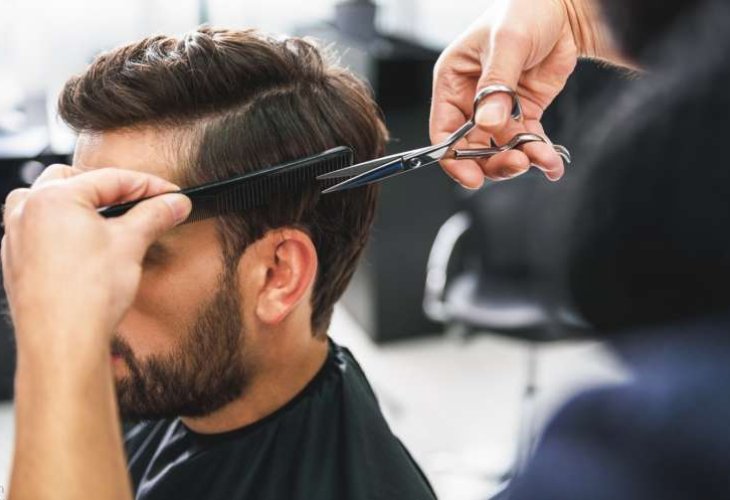
In memory of this tragedy, and to remind us how essential it is to honor and respect others, certain mourning customs are observed during these days. These include refraining from listening to music, holding weddings, and getting haircuts.
Weddings During the Omer
1. Different Community Customs
Sephardic communities generally refrain from weddings until the thirty-fourth day of the Omer.
Ashkenazi communities permit weddings beginning from Lag BaOmer (the thirty-third day) and onward.
2. Mixed Traditions
If the groom is Sephardic and the bride Ashkenazi, or vice versa, the custom generally follows the groom’s tradition.
Music and Celebratory Meals
1. Instrumental Music
Listening to music played with musical instruments is prohibited during the Omer.
2. Music at a Mitzvah Celebration
At a celebration connected to a mitzvah, such as:
a brit milah (circumcision),
a pidyon haben (redemption of the firstborn),
the completion of a tractate of Talmud,
a bar mitzvah celebrated on the boy’s Hebrew birthday,
it is permitted to play sacred songs accompanied by musical instruments during the celebration. The same applies during the celebration of bringing a new Torah scroll into a synagogue.
3. Dancing
Dancing is permitted at a mitzvah celebration, although mixed dancing between men and women is always forbidden.
4. Engagement Celebrations
Engagement ceremonies known as “tena’im” may be held during the Omer and refreshments may be served. However, music should not be played, and singing should be only vocal.
Haircuts During the Omer
1. General Custom
Sephardim generally refrain from haircuts until the thirty-fourth day of the Omer. Ashkenazim may take haircuts on Lag BaOmer itself, and afterwards from the fifth of Sivan onward.
2. Women’s Haircuts
Strictly speaking, women are not prohibited from getting haircuts during the Omer, although some Ashkenazi women follow a stricter custom.
3. Shaving
It is customary not to shave during the Omer.
Someone who finds this particularly difficult may shave on Rosh Chodesh Iyar. In cases of great discomfort or necessity, some authorities permit shaving before Shabbat in honor of Shabbat, provided that it is not done with a razor, which is a Torah prohibition throughout the year.
4. Haircuts for a Brit Milah
If a brit milah occurs during the Omer, the father of the baby, the sandak, and the mohel may take haircuts and shave that day, since it is considered a festive day for them.
If they cannot cut their hair on the day of the circumcision, they may do so the day before. If the circumcision occurs on Sunday, they may cut their hair on Friday.
5. Bar Mitzvah
A boy celebrating his bar mitzvah may take a haircut in honor of the celebration if it takes place on his actual bar mitzvah day.
Similarly, someone released from prison or returning from a long overseas journey may get a haircut.
6. The Custom of Kabbalistic Practice
Those who follow the customs based on Kabbalistic teachings avoid haircuts and shaving until the eve of Shavuot, the forty-ninth day of the Omer — even if a brit milah occurs during the Omer.
Someone who wishes to change this custom and begin taking haircuts on the thirty-fourth day should perform a formal annulment of the custom before a rabbinical court.
7. When Shabbat Falls Before Shavuot
Even according to the Kabbalistic custom, if Shabbat falls immediately before Shavuot, haircuts are taken on Friday so that one does not enter the festival unkempt.
8. Cutting Fingernails
It is permitted to cut fingernails during the Omer.
The Blessing of Shehecheyanu
1. New Fruits
It is permitted to recite the blessing Shehecheyanu over a new fruit during the Omer, both on weekdays and on Shabbat.
2. New Clothing
The custom is to avoid wearing a new garment and reciting Shehecheyanu during the week, and instead to wear it on Shabbat.
However, at celebrations such as a brit milah or bar mitzvah, many are lenient.
3. Which Clothes Require Shehecheyanu
The blessing Shehecheyanu is recited only for garments that bring joy, such as shirts or trousers, but not for undershirts or underwear.
4. Sewing New Clothes
It is customary to avoid sewing or tailoring new clothing during the Omer.
5. Bride and Groom
A bride and groom may purchase and wear new clothing during the Omer for their upcoming wedding.
Moving to a New Home
It is permitted to move into a new home during the Omer. It is also allowed to paint, renovate, or place wallpaper in the home before moving in.
A house dedication celebration (Chanukat HaBayit) may be held, but music should not be played; singing should be vocal only.
One may recite Shehecheyanu when moving into the new home. It is preferable to recite it over a new fruit or new garment, with the intention that the blessing also applies to the new home.
Swimming During the Omer
It is permitted to go on outings and swim in the sea or in a swimming pool during the days of the Omer.

