

Magazine
Eight Days in the Dark: A Yom Kippur War Survivor’s Story of Faith
During the Yom Kippur War, Yossi Tor hid for eight days in the captured Hermon outpost before Syrian captivity. Faith and prayer gave him the strength to survive.
- Hidabroot
- | Updated
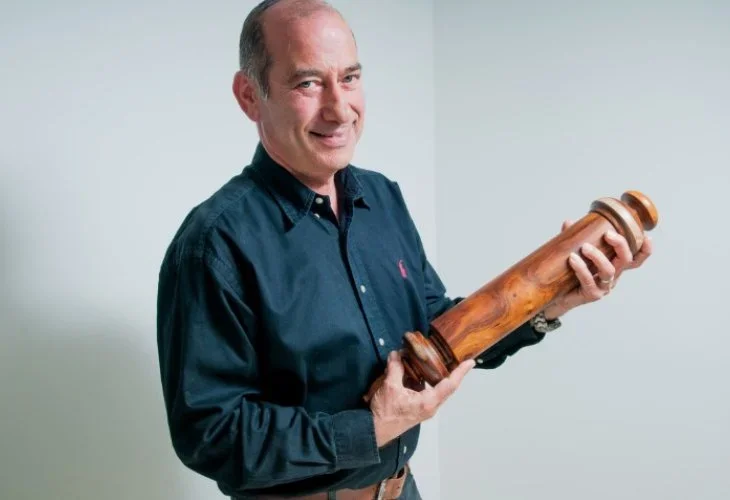 Yossi with a Megillah case he hand-crafted (Photo: Rafi Kutz)
The Yom Kippur War of 1973 is a day many Israelis will never forget. On that sacred afternoon, sirens suddenly shattered the silence of Yom Kippur. Army jeeps screeched to a halt outside synagogues, delivering urgent mobilization orders to reservists who were still wrapped in their tallit.
For Yossi Tor, that Yom Kippur is unforgettable for another reason entirely.
"I served in intelligence," he recalls. "Right before Yom Kippur they rushed me to the Mount Hermon outpost to replace a friend."
Like the other soldiers stationed there, Tor and his comrades had no idea that a massive attack was about to begin.
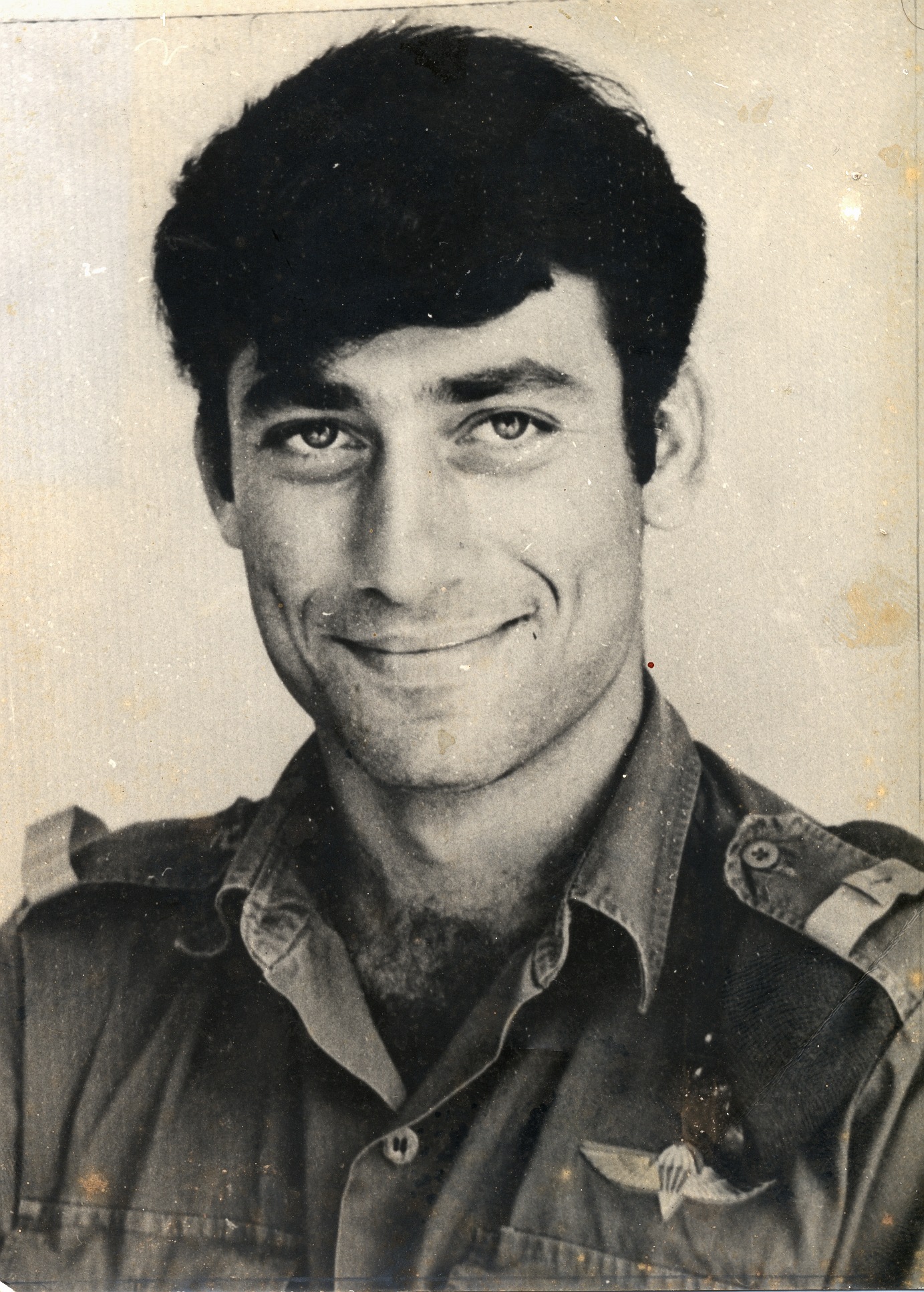 Yossi Tor as a young soldier. The photo appeared in the press when he was reported missing.
The Fall of the Hermon Outpost
The Mount Hermon outpost held enormous strategic importance. It contained critical intelligence and communications systems and overlooked vast areas of the northern border.
Yet the base was barely defended. Only about seventy soldiers were stationed there, and just fifteen were combat troops.
On the morning of Yom Kippur, Tor stood at his observation post and noticed something alarming. Across the border he saw Syrian soldiers removing camouflage nets from their tanks and beginning to move toward the line.
He reported what he saw to his commanders.
The response came back calmly: everything was fine. There was nothing to worry about.
But there was plenty to worry about.
At noon the Syrians began heavily shelling the Hermon outpost. Two hours later Syrian helicopters landed nearby, unloading commandos who quickly stormed the base.
Within a short time the Syrians had captured the entire outpost and its soldiers.
But they did not know that four Israeli soldiers were still hiding inside.
One soldier, Sorin Kublio, hid in a maintenance room deep underground. Yossi Tor hid together with two other soldiers, Musa Menachem and Dov Vaknin.
Eight Days Hidden From the Enemy
The four soldiers managed to keep their presence secret for eight days.
"The outpost was built like a five story structure," Tor explains. "Only one floor was above ground, and inside it spiraled downward."
When the electricity and communications systems collapsed during the battle, it unintentionally helped them remain hidden.
"We survived there for eight days with almost no food," Tor says. "Many times Syrian commandos walked right past us while we lay on the ground, just seconds after we had switched off a flashlight."
In those terrifying moments, the soldiers turned to prayer.
"Each time we whispered Shema Yisrael and continued living."
Tor, who was religious, tried constantly to strengthen his friends with faith and hope.
"Two of the soldiers had very difficult conversations with me about taking their own lives. They were terrified of falling into Syrian captivity."
Tor tried to convince them that life and death were not for them to decide.
Forty years later, when the film Seven Days in the Dark was produced about the Hermon outpost during the war, one of those soldiers revealed something chilling.
"My Uzi was pointed at my own head with the safety off while I was talking to Yossi," he said. "After his words, I put it down."
A New Understanding of the Yom Kippur Prayers
What gave Tor the strength to endure those terrifying days surrounded by enemy soldiers, starving, and constantly fearing death?
"My parents were Holocaust survivors and people of deep faith," he explains.
Every Yom Kippur in synagogue, when the cantor recited the famous prayer Unetaneh Tokef, Tor admits that he used to turn the page.
"The prayer says who will live and who will die, who by fire and who by stoning. I used to think it was not relevant to our modern lives."
But in the Hermon outpost everything changed.
Israeli Air Force bombs were exploding constantly around the mountain. The ceiling of the underground bunker could collapse at any moment.
"Suddenly I understood what death by stoning could mean," he says. "The prayers of the High Holy Days suddenly became very real."
Captured by the Syrians
After eight days hiding in the outpost, the four soldiers decided they could not stay there any longer.
Under cover of darkness they crawled out of the base and tried to escape.
They managed to leave the outpost safely, but soon afterward they were captured by Syrian forces.
The soldiers were taken to a notorious interrogation facility in Damascus.
Tor spent four months in solitary confinement and another five months imprisoned together with other Israeli prisoners of war.
"During the interrogations and torture I prayed like Hannah in the Bible," he recalls. "Only my lips moved, but my voice could not be heard."
In those moments prayer gave him renewed strength.
"You feel like you have reached the end and cannot continue," he says. "But after praying I would feel my inner strength return."
Writing Prayers in Captivity
Eventually Tor was placed in a cell with the other Israeli prisoners. In total, fifty three Israeli soldiers were held in Syrian captivity.
Tor longed to pray the Amidah properly.
"My whole body was bruised from the torture," he says. "But as soon as I could stand even a little, I faced east and prayed every day."
Soon other prisoners gathered around him. They also wanted to pray and hold on to hope.
But praying out loud was dangerous.
Then something unexpected happened.
One day Tor noticed that a piece of charcoal had stuck to his fingers in the prison bathroom. He mixed the charcoal with cotton from bandages and created a type of ink.
Using thin wooden strips from a small box, he fashioned a kind of quill.
On a piece of cardboard taken from a box the prisoners had received, Tor carefully wrote the words of the Shema and the Amidah entirely from memory.
Each letter required dipping the makeshift pen back into the charcoal ink.
He passed the written prayers among the prisoners so that each of them could pray as well.
Creativity in the Darkness
The prisoners constantly searched for ways to keep their spirits alive.
Tor discovered that he had a remarkable ability to improvise.
From a round tin that once contained cheese triangles, he fashioned a full deck of playing cards. With charcoal he drew a sunset with sailboats and wrote the words: "Freedom. When will I see it again?"
He also began writing journals and sketches, determined that one day they would reach his family.
To smuggle them out he used an ingenious method.
The prisoners occasionally received chicken bones before Red Cross visits. Tor sharpened one bone against the wall until it became a needle.
He secretly opened seams in his clothing, hid his writings inside, and sewed them back up using threads pulled from his garments.
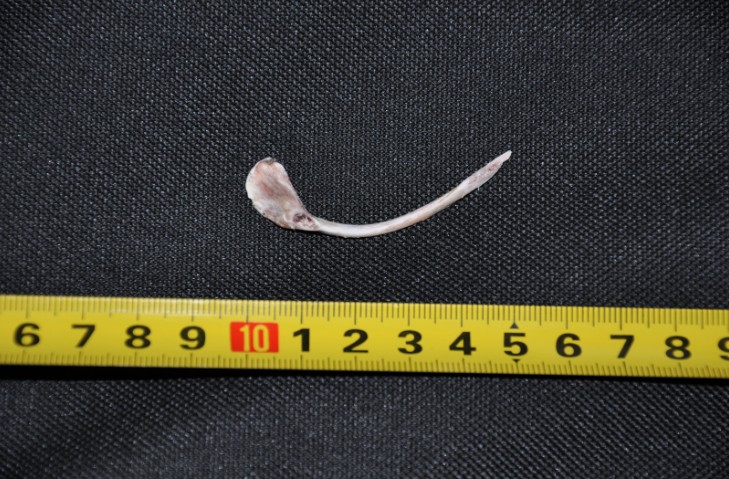 A bone Yossi turned into a needle to hide documents in his clothing
Lessons for Life
The experience of captivity shaped the rest of Tor's life.
Today he travels around Israel and around the world giving lectures about the tools that helped him survive.
"I learned that even if a sharp sword rests on your neck, a person must never despair," he says. "Whether the struggle is medical, financial, or within a family, hope must never be lost."
From Captivity to Creation
Fifteen years after returning from captivity, Tor returned to art and craftsmanship.
"In my life the verse was fulfilled: the more they afflicted him, the more he multiplied and spread."
Despite the brutal beatings his hands suffered in captivity, he was able to create with them.
Today Tor crafts sacred Jewish objects from wood.
"The trees I work with, such as olive, carob, and oak, have grown for thousands of years in Eretz Yisrael and are mentioned in the Tanach."
One of the items he specializes in is crafting megillah cases.
"For me this is like restoring a crown to its former glory," he explains. "For many years most megillah cases were made by Arabs from wood imported from Jordan. I wanted to be a Jew making megillah cases from wood that grew in Eretz Yisrael."
Tor believes that even his woodworking carries a deeper lesson.
"When I finish shaping the vessel, the silent piece of wood becomes something living that brings joy to people's hearts."
From eight days hiding in darkness to a lifetime of faith and creativity, Yossi Tor's story is a powerful reminder that even in the most difficult moments, hope and faith can light the way forward.

