

Relationships
5 Communication Mistakes That Slowly Damage Relationships
Strong relationships depend on strong communication. Learn the habits that cause misunderstandings and how to change them.
- Shira Priant
- | Updated
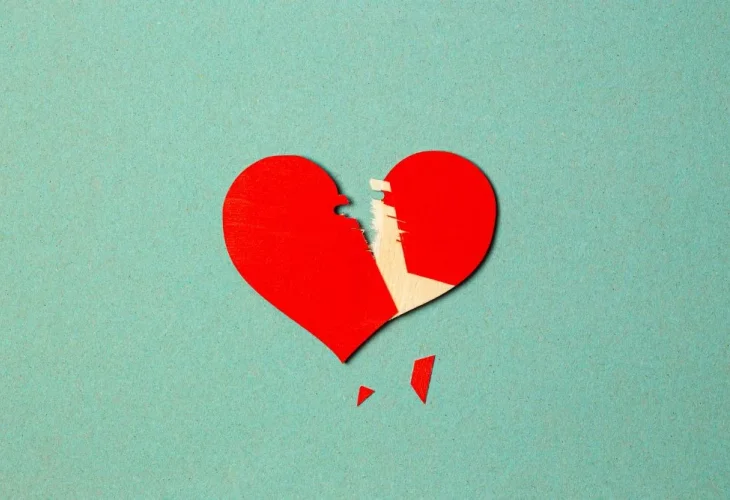
A relationship is like a house. If its foundation is strong, it can withstand even the toughest storms. But sometimes, without realizing it, we create small cracks that slowly grow into major fractures. One of the most significant factors that wears down relationships is poor communication. Most arguments do not begin because of what we say, but because of how we say it, the interpretations each partner makes of the words, and the automatic reactions that follow.
If you sometimes feel that your partner simply does not understand you, or that conversations quickly escalate into arguments, you may be falling into several common communication traps. The encouraging news is that these patterns can be changed.
Talking but Not Really Listening
One of the most common mistakes in relationships is believing we are listening when, in reality, we are only waiting for our turn to speak.
What does this look like?
• One partner shares something that bothers them, but instead of truly listening, the other person is already preparing a response in their head.
• Interruptions happen quickly, often with phrases such as, “But you do this too.”
• There is a sense that the partner is listening only in order to reply, rather than genuinely caring about what is being said.
What to do instead
• Focus on understanding the other person rather than preparing your next sentence.
• Reflect what you heard by saying something like, “I understand that you feel this way because…”
• If anger makes listening difficult, ask for a short pause, breathe deeply, and return to the conversation when calmer.
Complaining Instead of Simply Asking
Many conflicts begin when one partner needs something but expresses it through complaints rather than clear requests.
What does this look like?
• “You never help me with the kids,” instead of saying, “I feel like I need help. Could you take a more active role?”
• “You don’t pay attention to me at all,” instead of saying, “I feel like I need more time with you.”
What to do instead
• Replace complaints with clear and direct requests.
• Focus on expressing your needs rather than emphasizing what the other person is doing wrong.
Unintentionally Hurting Each Other
At times, frustration or anger leads us to say words that hurt. Even when there is no intention to wound, certain phrases can remain with a partner for a long time and create emotional distance.
What does this look like?
• “You’re not raising the kids properly.”
• “Why do I have to ask for everything ten times?”
What to do instead
• Replace criticism with expressions of personal feeling. For example: “I feel like it’s hard for me with how we’re raising the kids. Maybe we can think together about ways that work for both of us.”
• Be mindful of words that can make the other person feel small or unappreciated.
• If something hurtful slips out, apologize immediately instead of hoping the other person will forget.
Arguing When Angry
Many arguments begin in the middle of an emotional storm, which is why they escalate so quickly.
What does this look like?
• A small disagreement suddenly becomes a discussion about everything that has ever gone wrong in the relationship, including events from many years ago.
• Voices rise, doors slam, or one partner storms out of the room.
• Things are said that would never be spoken during a calm conversation, followed by regret later.
What to do instead
• Take a break when the conversation begins heading in an unhealthy direction.
• Return to the discussion when both partners have had time to calm down.
• Remember that not every issue must be resolved immediately. Sometimes it is more productive to talk the next day, when emotions have settled.
Expecting Your Partner to Know What You Want
Many people say, “He should just know how I feel,” or “If she really loved me, she would understand.” The difficulty is that partners cannot read minds. When feelings remain unspoken, the other person often has no way of knowing what is wrong.
What does this look like?
• Expecting your partner to guess what you need.
• Feeling hurt or disappointed when they do not understand on their own.
• Frustrations quietly building and creating distance over time.
What to do instead
• Express your needs clearly rather than expecting your partner to guess them.
• Recognize that different people express love in different ways and learn to appreciate what your partner already does, even if it is not exactly how you imagined.
Practical Tips for Better Couple Communication
• Healthy communication is not only about speaking but also about truly listening.
• Instead of complaining, suggest solutions and ask directly for what you need.
• Be aware of the power of words and choose them thoughtfully.
• Step away from heated arguments and return to the conversation calmly.
• Do not expect your partner to automatically understand. Share openly and ask clearly.
Proper communication is one of the strongest foundations of a healthy and happy relationship. It may not always be easy, but even small changes in the way we speak and listen can make a meaningful difference in the peace and harmony of a home.

