

Magazine
War Then and Now: When the Land of Israel Turned to Prayer
As war once again surrounds Israel, a remarkable World War II story recalls the days when the entire Land of Israel turned to prayer.
- Shalom Pekasher
- | Updated
 (Photo: shutterstock)
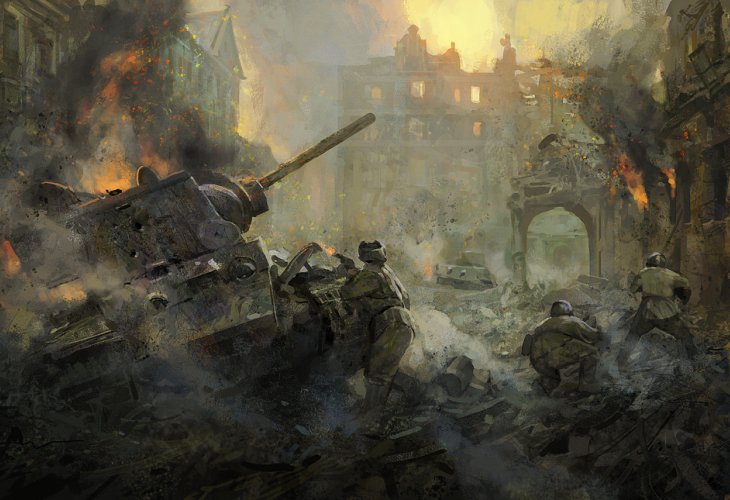
As Israel continues to face the harsh reality of war, the Jewish people once again find themselves turning to the same refuge that sustained them through generations of danger: prayer. Across the country, synagogues fill with Psalms, and many feel the weight of history repeating itself. In times like these, Jews remember that alongside soldiers and strategy, there has always been another battlefield; the battlefield of prayer.
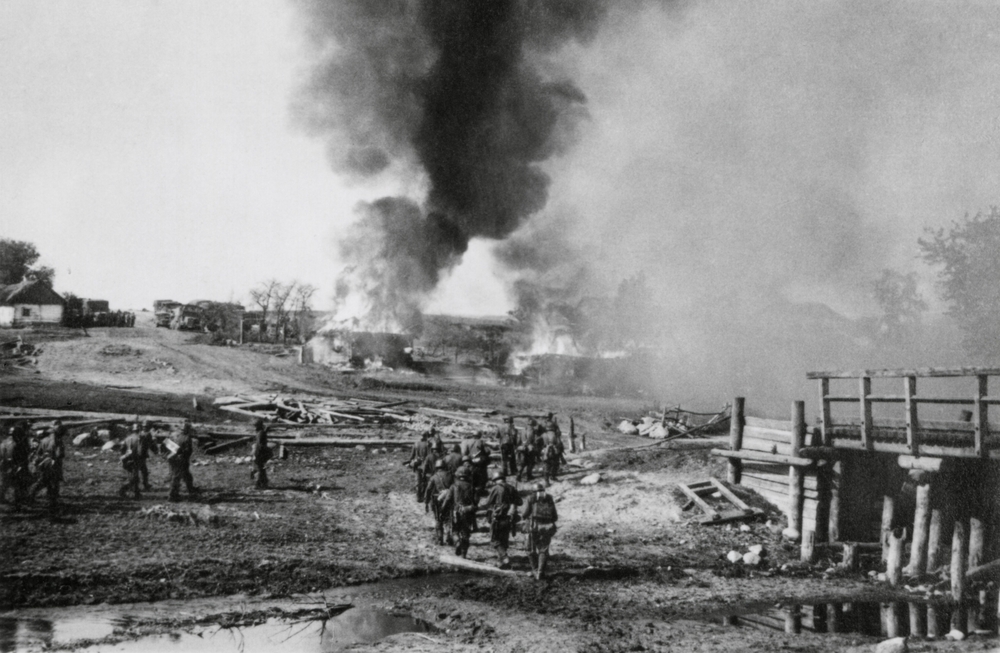
More than eighty years ago, during World War II, the Jewish community in the Land of Israel faced a similarly terrifying moment. Nazi Germany’s forces under General Erwin Rommel were advancing through North Africa, threatening to reach the gates of the Land of Israel. The decisive confrontation would take place in what history remembers as the Battle of El Alamein.
During those frightening days, synagogues across the land were packed with worshippers reciting Psalms and pouring out their hearts before their Father in Heaven. The leading rabbis declared days of prayer and repentance, though in truth such proclamations were almost unnecessary. Everyone understood the gravity of the hour.
Jews traveled to holy sites throughout the country, weeping at the graves of righteous sages and pleading that the decree hanging over them be annulled.
A Tzaddik Who Prayed for the Downfall of Hitler
Among those who devoted themselves entirely to prayer during those days was Rabbi Shlomo Goldman of Zwole, known as Rabbi Shlomeka.
Rabbi Shlomeka was a descendant of the Maggid of Zlotchov. He arrived in the Land of Israel in 1926, after famously telling his grandson while still aboard the ship that he was “casting his rabbinical authority into the sea.”
True to his word, he arrived quietly and rented a tiny apartment in one of the narrow alleys of old Jerusalem. There he lived modestly, devoting himself completely to Torah study and prayer.
For some time he remained almost unknown. One day, however, a former follower entered a study hall and suddenly recognized his rabbi sitting quietly in the back like an ordinary Jew. Shocked, he ran outside to spread the news.
From that moment on, people began flocking to him in large numbers, seeking blessings and guidance.
When the war reached its darkest days in 1942, Rabbi Shlomeka intensified his prayers. His close followers later described how he would spend long hours reciting Tikkun Chatzot, the midnight prayer mourning the destruction of the Temple, shedding rivers of tears.
He fasted often and prayed with overwhelming intensity. Sometimes he stood leaning against a wall, immersed in thought, whispering words that hinted at the spiritual battle he believed he was waging for the Jewish people.
More than once he appeared close to fainting from exhaustion, forcing those around him to rush forward and support him.
A Whisper of What Was to Come
Rabbi Shimon Rubin, one of his closest associates, later recounted the tremendous spiritual effort Rabbi Shlomeka invested in prayer during those terrible months.
As the war approached its final stage and the slaughter of European Jewry reached unimaginable proportions, Rabbi Shlomeka once collapsed into deep prayer late at night.
Shortly after midnight, he locked himself inside his room.
Rabbi Shimon stood outside and suddenly heard the tzaddik speaking in his sleep.
He pressed his ear to the door and listened.
“Hashem, precede healing to the afflicted,” Rabbi Shlomeka murmured. “In a few days the Bolsheviks will enter Berlin from one side, and the Americans from the other, and salvation will come.”
Incredibly, those words later came true.
Despite the constant reports arriving about German victories and British retreats, Rabbi Shlomeka remained calm. He dismissed the alarming news with a wave of his hand and insisted that the Germans would never reach the Land of Israel.
“If the decree has already been annulled in Heaven,” he implied, “then the war has already been decided.”
Rabbi Shlomeka passed away on the 26th of Iyar 5705, May 7, 1945—the very day Germany surrendered. His followers believed that the righteous man had poured out his soul in prayer to bring an end to the suffering of his people.
A Dream That Led to Egypt
Another remarkable story from those days involves the Kabbalist Rabbi Yitzhak Alfiah.
One night he dreamed that a man dressed in white appeared before him and asked:
“Why do you visit the graves of the righteous and study Kabbalah, but you do not come to me?”
“And who are you?” Rabbi Yitzhak asked.
“My grave is in Damanhur in Egypt,” the man replied. “Do not delay. The people of Israel are in danger.”
Rabbi Yitzhak awoke shaken and hurried to the famous Kabbalistic yeshiva Beit El in Jerusalem to ask who the figure could be.
The scholars immediately recognized the description.
It was Rabbi Yaakov Abu Hasira, known as the Avir Yaakov, the great Moroccan tzaddik and grandfather of the Baba Sali, who had been buried in Egypt on his journey to the Land of Israel.
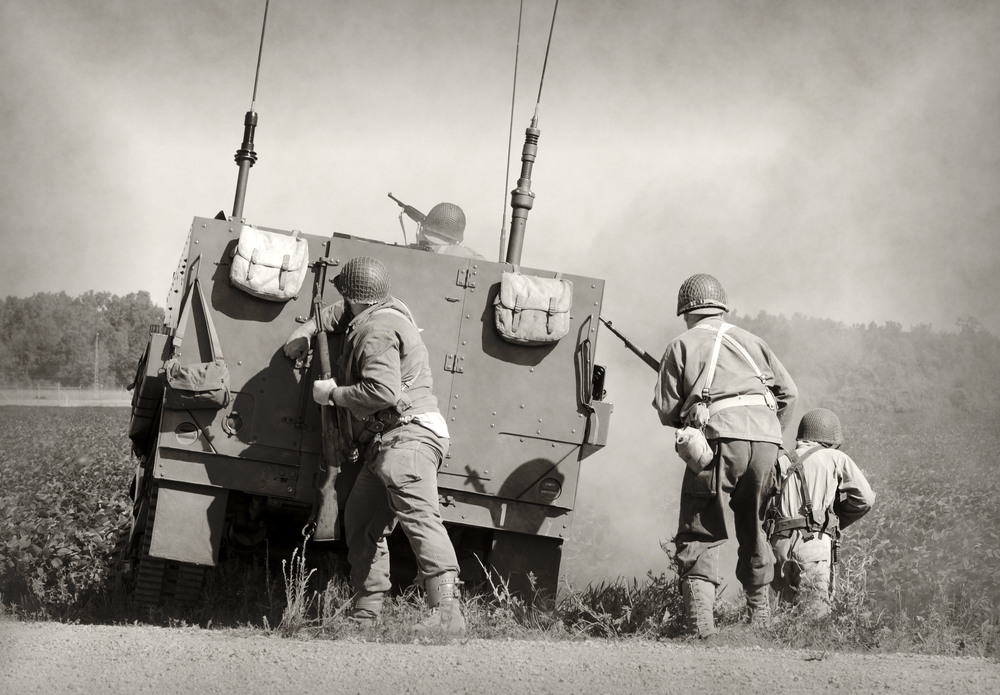
Traveling to Egypt at that time was extremely dangerous. British and German armies were battling fiercely across North Africa, and civilians were not permitted to travel.
Yet Rabbi Yitzhak felt certain that if the tzaddik had appeared to him in a dream, he must go.
After insisting on meeting a senior official, he was told that civilians were forbidden to travel but that if he wished, he could attempt to sit on the train heading to Egypt.
His companions dismissed the idea as impossible.
But the next morning Rabbi Yitzhak went to the station anyway, carrying only his tallit and tefillin.
As soon as he arrived, two officers approached him, asked his name, and escorted him onto the train. They sat beside him throughout the journey.
When the train reached Cairo, they accompanied him to the Jewish quarter and disappeared.
The Jews of Egypt were astonished.
“How did you manage to get here from Jerusalem?”
Inspired by the story, they gathered groups of Torah scholars and traveled with him to the grave of Rabbi Yaakov Abu Hasira. There they prayed fervently and studied Kabbalah.
Rabbi Alfiah later described seeing a radiant light shining from the grave and feeling certain that their prayers had been accepted.
The Prayer That Stopped Rommel
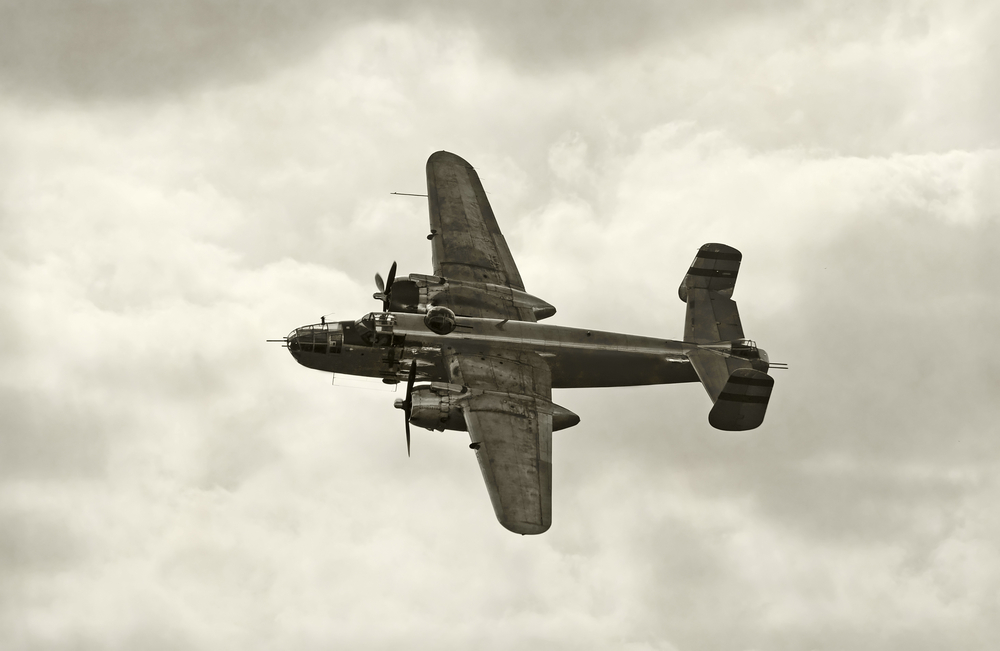
At the same time, Nazi General Rommel’s army was sweeping across North Africa toward Egypt.
In just thirteen days, the German forces advanced nearly four hundred kilometers, destroying most of the British army opposing them. They reached El Alamein, only about one hundred kilometers from Alexandria.
Fear spread throughout the Jewish community in the Land of Israel.
During those days, the Rebbe of Husiatyn was living in Jerusalem. Rabbi Yaakov Landa of Bnei Brak came to inform him of the alarming developments.
At first the Rebbe responded calmly, saying the matter did not appear as threatening to him spiritually.
But Rabbi Landa urged him to intervene through prayer, explaining that the great tzaddikim of every generation often stand in prayer for the protection of the Jewish people.
After some hesitation, the Rebbe agreed.
He announced that the following day, the 15th of Tammuz, the yahrtzeit of the great sage Rabbi Chaim ben Attar, known as the Or HaChaim, he would go to his grave to pray together with Rabbi Shlomeka of Zwole.
They declared that they would not leave until they were assured of salvation.
Crowds gathered at the grave as the Rebbe and those around him began reciting the entire Book of Psalms.
For forty minutes the Rebbe stood immersed in prayer.
Then he closed the book and stood silently with his eyes shut.
Seeing this, Rabbi Shlomo Shaiber urged him to continue praying because the world was trembling with fear.
The Rebbe opened the book again, covered his face with it, and remained motionless for a long time.
The crowd had already finished the Psalms, so they began again from the beginning.
Suddenly the Rebbe lowered the book and said quietly:
“The enemy will not have power over our land.”
Joy spread among those present.
Soon afterward, General Rommel’s forces were defeated at El Alamein, and the danger to the Land of Israel was lifted.
History remembers the battle as a turning point in the war.
But many who lived through those days remembered something else as well: the tears, prayers, and faith of the righteous who believed that even in the darkest moments, the fate of nations could still be changed in Heaven.

