

Magazine
The Art of Hebrew Letters: A Cardiologist’s Creative Discovery
A cardiologist discovered a remarkable form of art by transforming Hebrew letters into intricate images, blending creativity, language, and deeper meaning.
- Michal Arieli
- | Updated
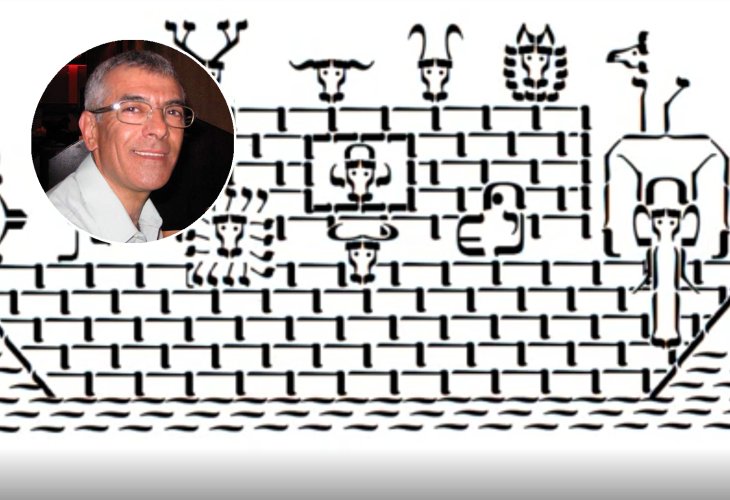 (In circle: Dr. Leonardo Greenberg)
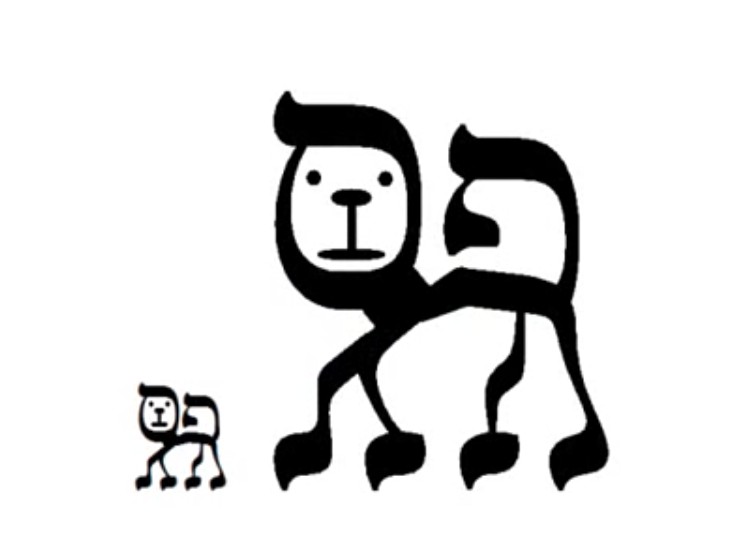
Anyone who enters the home of Dr. Leonardo Greenberg in Be’er Sheva immediately senses that they are stepping into the world of an artist. The walls are filled with striking paintings that capture the eye at first glance. But a closer look reveals something unusual: every image is composed entirely of Hebrew letters. Some letters are tiny and almost invisible, while others are large and form the central structure of the picture.
Yet Leonardo is not an artist by profession. He is a cardiologist.
A Doctor With a Love for Hebrew
“I was born in Buenos Aires, Argentina,” he explains. “I grew up in a non religious home, but I was always an idealist and deeply connected to Israel and to the Hebrew language. I was very active in the Jewish community in Argentina, and that’s how I became familiar with the siddur and learned Hebrew. I immediately felt a strong connection to the language. I have always loved it.”
In 1980 he first immigrated to Israel and worked for several years at Beilinson Hospital in the cardiac surgery department.
“After about four years I returned to Argentina in order to specialize in cardiology,” he says. “Later, in 2003, I came back to Israel again and settled here permanently.”
Art Born From Unexpected Free Time
When Leonardo arrived in Israel and settled in Be’er Sheva, he discovered that finding the medical position he wanted was not easy. Despite years of demanding studies in Israel and abroad, he suddenly found himself unemployed and searching for a way forward.
During that time he had many free hours. To fill them, he began listening to lectures on the Hidabroot website.
“In one lecture a rabbi explained that if you write the Hebrew word etz meaning tree, you can actually see the shape of a tree inside the letters themselves,” Leonardo recalls. “That idea fascinated me, so I decided to try it myself.”
He took a sheet of paper and a pencil. Within minutes he had drawn a small picture made entirely from Hebrew letters.
Then he made another discovery.
“When I wrote the word etz twice, I suddenly saw that it could form the shape of a Chanukah menorah,” he says. “From there everything opened up. I realized that Hebrew letters could become almost anything.”
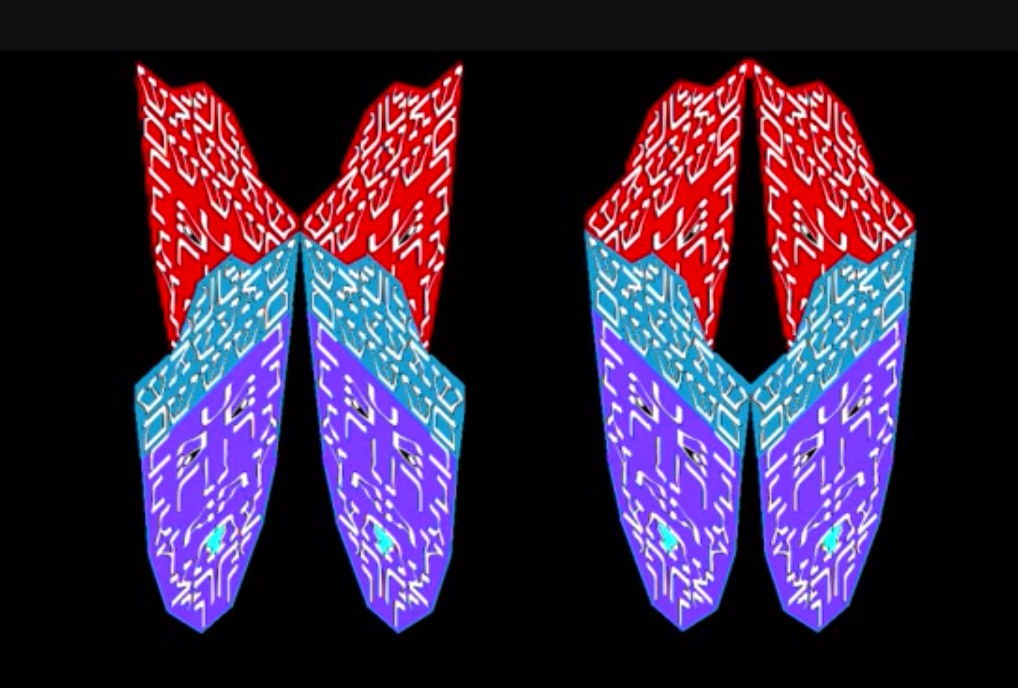
Soon Leonardo found that with careful design, Hebrew letters could form the shape of animals, people, landscapes, and even scenes from the Torah.
Discovering the Secret of the Letters
“I became completely absorbed in it,” he says with a smile. “I worked on it day and night.”
At first he drew with pencil on paper, but later he began creating digitally on the computer, which allowed him to produce more complex works.
While working, he began noticing fascinating patterns within the Hebrew letters themselves.
“Each letter has its own character,” he explains. “For example, the letter samech is closed, so it works well for shapes that are round or enclosed. But if I want to draw birds with open wings, butterflies, or flowers, I use letters like yod, resh, or vav, which feel more open.”
Sometimes, he says, repeating the same letter many times creates unexpected layers within the picture.
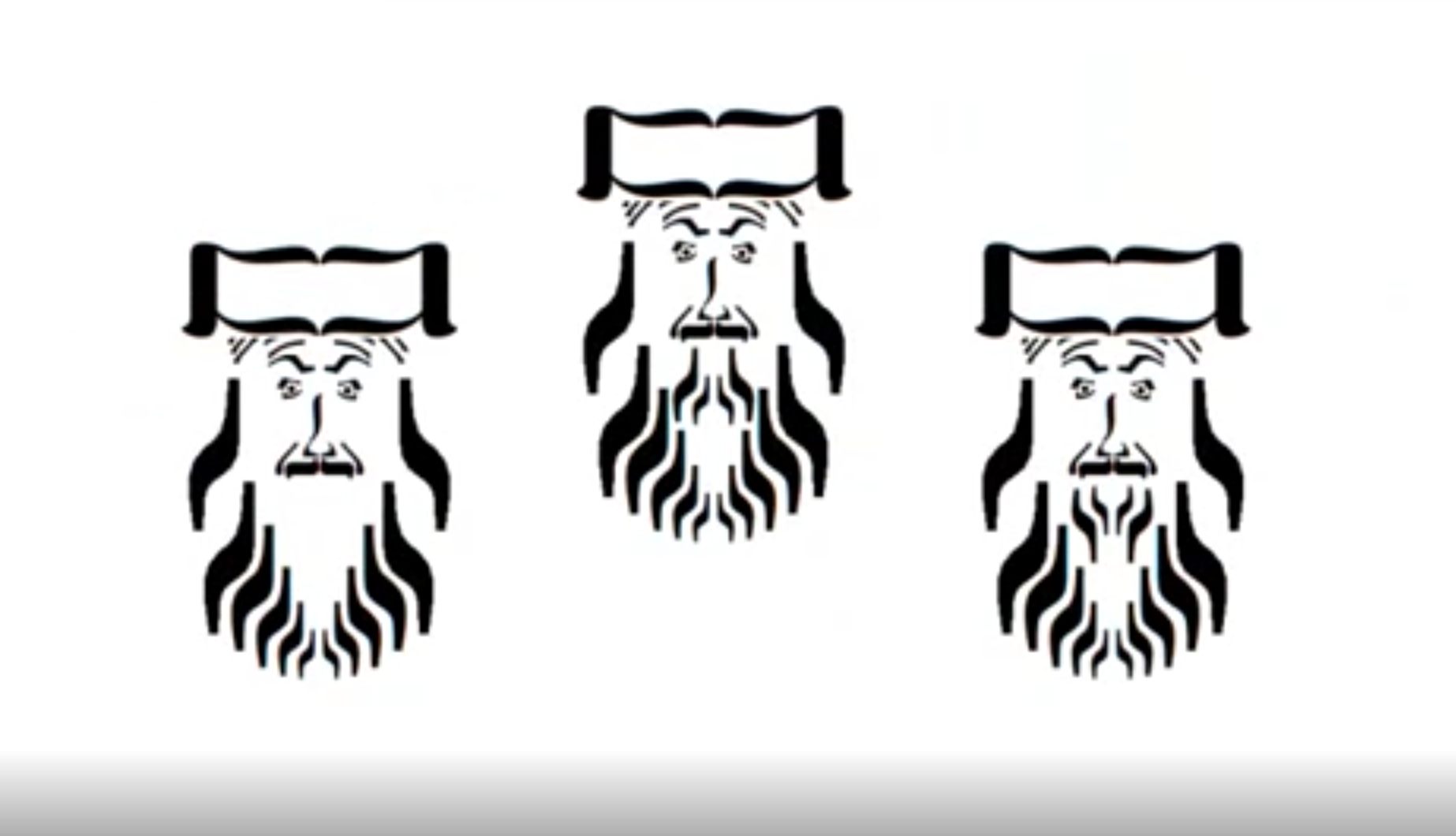
“You can take one small letter and build something very large with it. Everything depends on scale and repetition.”
Choosing a Favorite Creation
When asked which painting he considers the most special, Leonardo pauses.
“It’s difficult to choose,” he admits. “But I feel a strong connection to the piece of Noah’s Ark and also to the one showing the Jewish people walking through the desert.”
Creating such works, he explains, requires patience and precision.
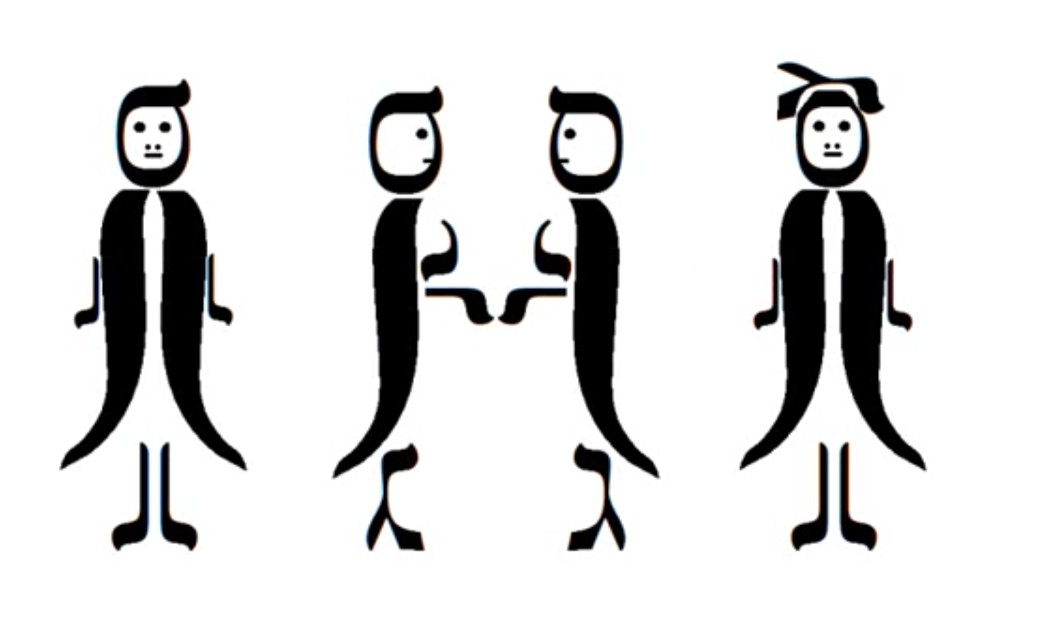
“It isn’t difficult, but it is challenging. Once you commit to using letters, you cannot simply draw anything you want. You must stay within the shape of the letters. The symmetry has to be exact. If you move even slightly off balance, the depth of the entire image disappears.”
Some small pieces take two or three hours to complete. Larger compositions that contain dozens of sections can take far longer.
A Creative Journey Continues
Over the years Leonardo eventually found steady work, first at a printing house and later at the National Insurance Institute.
“I worked during the day,” he says, “and devoted my nights to my creations.”
Today, after retiring, he once again has more time to dedicate to his art.
Recently he held an exhibition displaying fifty of his selected works.
“I hope to hold more exhibitions in the future,” he says. “But I also have another dream. I would love to create an educational project for schools, where first graders could learn the Hebrew alphabet through my paintings. I believe it could help children fall in love with reading. And I would do it completely voluntarily.”
Leonardo pauses and smiles.
“I owe a debt of gratitude to the Hebrew letters and also to Hidabroot,” he says. “Through this art I discovered many deeper ideas about the letters, about gematria, about the beauty of the Hebrew language, and even about prayer.
“When I think back to that first lecture about the word etz, I always say the same thing,” he adds.
“The tree gave me advice.”

