

Torah Personalities
Rabbi Aharon Rokeach of Belz: A Life of Love for Every Jew
The inspiring life of the Belzer Rebbe who rebuilt his community after the Holocaust and became known for his extraordinary compassion and defense of every Jew
- Shalom Pakashar
- | Updated
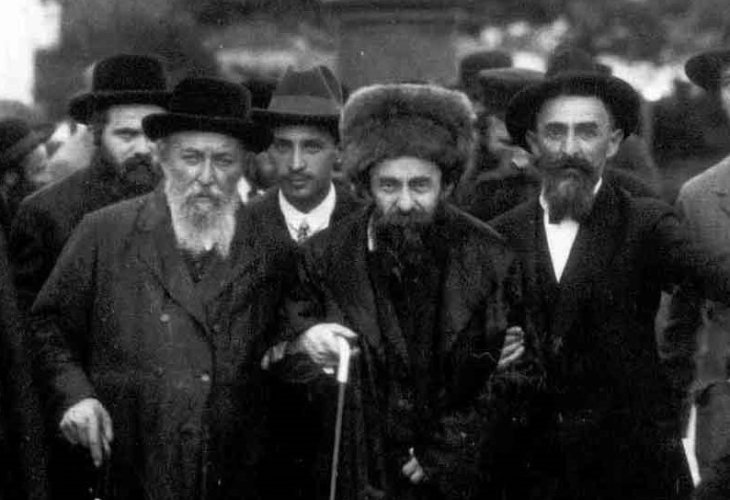
Aharon Rokeach (1880–1957) was the fourth Rebbe of the Belz Hasidic dynasty and one of the towering spiritual figures of twentieth century Jewish life. After the devastation of the Holocaust, he played a central role in rebuilding the Belz Hasidic community in the Land of Israel.
Rabbi Aharon was beloved by Jews everywhere. He constantly sought the good of his people and spoke words of peace for all of Israel. One of his most remarkable traits was his unwavering commitment to seeing the good in every Jew. He refused to listen to negative speech about another Jew, even when the criticism might have been accurate.
A Spiritual Presence Beyond the Physical
At the same time that he defended the honor of every Jew, those who encountered the Belzer Rebbe experienced him as a profoundly holy and spiritual figure. Many described him as almost angelic in his purity.
Anyone privileged to spend time in his presence sensed that his entire being was devoted to the spiritual world. It often seemed as though his body existed only because he still lived in this world. Even in ordinary matters he behaved differently from others, with an intensity that felt far removed from everyday life.
A Life of Extraordinary Self Discipline
The Rebbe’s approach to physical needs was almost unimaginable.
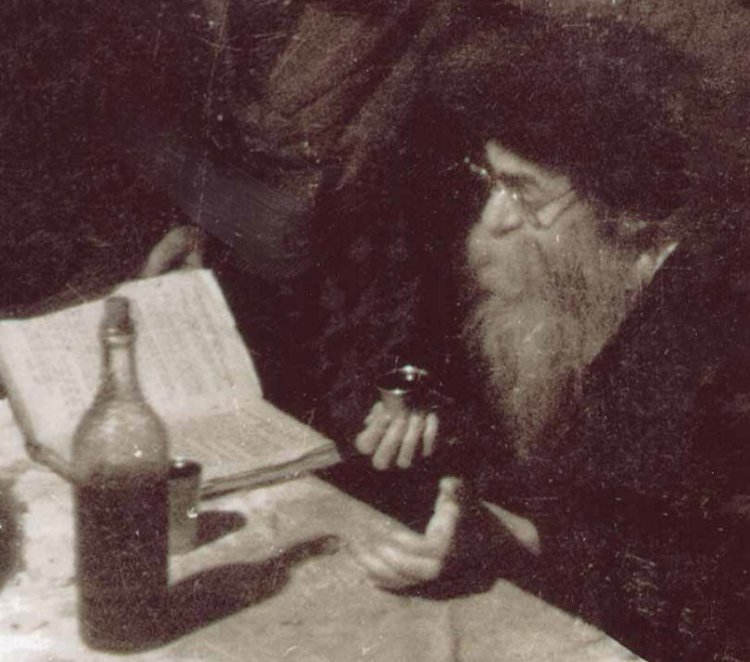
He would usually eat only late at night, and even then his meal was extremely minimal. The food was intentionally prepared in a way that removed most of its flavor. Typically, his daily intake consisted of less than two small pieces of bread, along with a few spoonfuls of a thin soup made from water in which a small onion, a small potato, and half a carrot had been boiled, with only a tiny amount of butter added.
This sparse meal was often all he consumed in a full twenty four hours.
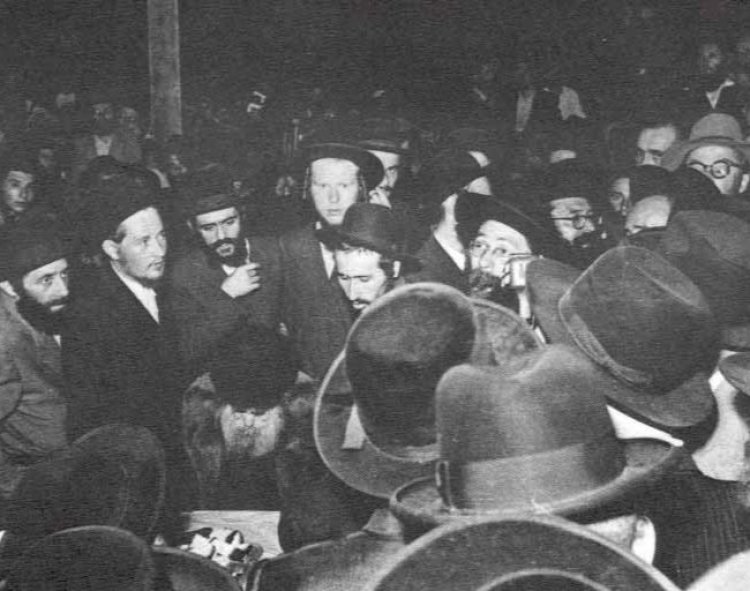
Constantly Seeking the Merit of the Jewish People
Rabbi Aharon once described his life’s mission in a simple yet profound way.
A physician had come to treat the Rebbe’s eyes. During the examination the doctor noticed that the Rebbe seemed completely absorbed in thought and unaware of what was happening around him. Curious, the doctor asked what he was thinking about.
The Rebbe replied quietly, “I am immersed in finding merit for the Jewish people.”
This brief answer captured the essence of his life. His constant focus was to think positively about every Jew and to advocate on behalf of the entire Jewish people.
For this reason many leaders of the generation referred to him as “the Berdichever Rebbe of our generation,” comparing him to the great defender of Israel, Levi Yitzchak of Berditchev.
A Great Leader Recognized by His Contemporaries
At the memorial marking thirty days after his passing, the renowned rabbi Joseph Shlomo Kahaneman delivered a powerful tribute.
He quoted the words of Maimonides, who wrote that any person who dedicates himself entirely to serving God and freeing himself from worldly distractions becomes sanctified as “holy of holies.”
Rabbi Kahaneman then concluded with emotion that in their own generation they had seen such a person in the Belzer Rebbe.
“Our physical eyes,” he said, “saw a holy body living among us in the form of a human being. But his inner essence was far beyond our ability to comprehend.”
A Compassionate Angel
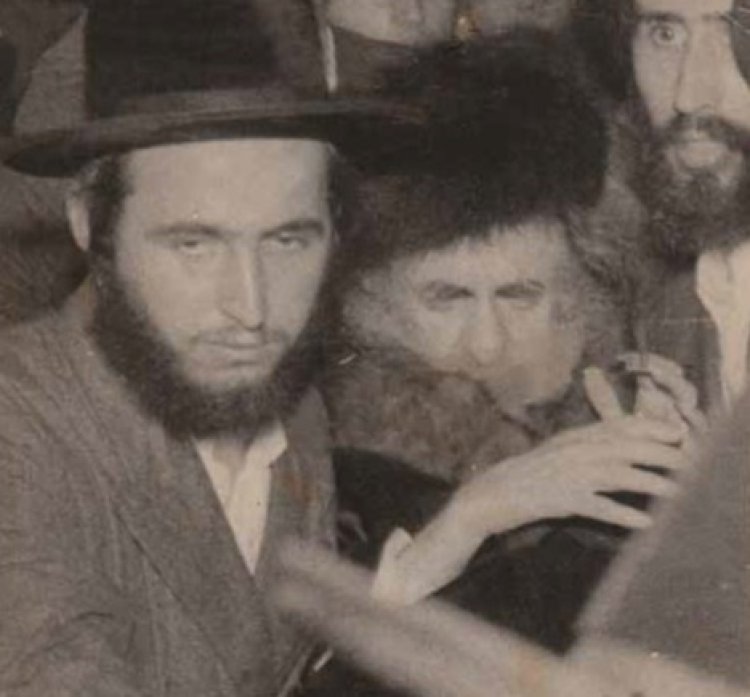
Those who stood near him felt that they were in the presence of a heavenly being. Yet in one area he never separated himself from the concerns of ordinary people.
He devoted enormous attention to the needs of others. His compassion for every Jew was legendary. When someone came to him in distress, it was clear that the person’s suffering affected the Rebbe even more deeply than his own personal difficulties, which he accepted with complete serenity.
Although he lived with almost no physical comforts, he understood the struggles and needs of others and did everything possible to help them. No Jew, in his view, should ever be hurt or humiliated.
“I Was Born With Compassion”
Rabbi Aharon once described the core of his personality with striking simplicity.
“A person may take pride in the quality he was born with,” he said. “I was born with compassion.”
Indeed, kindness and love for the Jewish people were the central themes of his life. Those who met him witnessed how he searched for the goodness within every individual and sought every possible opportunity to help others.
Countless stories are told throughout the Jewish world about his extraordinary sensitivity and his unwavering dedication to the welfare of every Jew.
A Lesson of Kindness That Saved a Man
One story illustrates this trait vividly.
A devoted Belz Hasid named Rabbi Avraham Lempel once came to the Rebbe seeking a blessing regarding a business decision. The Rebbe gave him encouragement, but then unexpectedly added a brief remark: “If you have the opportunity to help someone, you must do so — even for a non Jew.”
At the time, Lempel did not understand why the Rebbe said this.
Soon afterward, while waiting at a train station, he noticed a distressed woman searching frantically for something she had lost. Remembering the Rebbe’s words, he approached her and discovered that she had lost her purse containing an important sum of money.
Without hesitation, he gave her the entire amount she had lost. When she asked where she could return the money, he told her it was a gift.
The woman was deeply moved and handed him her business card. Only later did he notice that she was a judge in the city of Lemberg.
Not long afterward Lempel was summoned to court on a serious tax charge that could have resulted in severe punishment. When he arrived at the courtroom he saw the same judge sitting on the panel.
Before the proceedings had even begun, she stood up and testified on his behalf, declaring that a man capable of such generosity could not be guilty of dishonesty. Her words led to the case being dismissed entirely.
Guarding the Honor of Every Jew
The Belzer Rebbe was extremely careful never to speak negatively about another Jew.
On one occasion a visitor referred to certain Jews with a derogatory expression. The Rebbe immediately stopped him and insisted that such language must never be used about fellow Jews.
Instead, he instructed the visitor to purify himself symbolically and repeat the word “Jews” several times with respect before continuing the conversation.
His sensitivity to the dignity of every Jew was absolute.
A Unique Way of Speaking About Shabbat
The Rebbe even avoided speaking harshly about those who violated Shabbat.
Rather than calling them “Shabbat desecrators,” he would describe them gently as “Jews who think that Shabbat is Friday.” Through this phrasing he preserved their dignity while still expressing the seriousness of the issue.
In another incident, when someone claimed that a worker had been seen smoking on Shabbat, the Rebbe insisted that it must have been on Friday evening. He refused to accept the accusation.
Eventually the worker himself confirmed that the event had indeed taken place before Shabbat.
The Rebbe then required both the accuser and the worker to donate candles to the synagogue, and he added that he too would donate candles because he had listened to negative speech about another Jew.
Humility Before the Western Wall
The Rebbe’s humility was equally remarkable.
When he arrived in the Land of Israel after the war, he asked a young man to visit the Western Wall once a week as his personal representative, since he himself could not always travel there.
He instructed the messenger to say, “Aharon son of Batya Ruhama asks forgiveness from the Western Wall. Because it is difficult for him to come, I am here as his messenger.”
Even at the height of his influence, he saw himself simply as a servant seeking mercy and blessing for the Jewish people.
Guidance for a Young Bar Mitzvah Boy
When a thirteen year old boy once came to receive the Rebbe’s blessing before putting on tefillin for the first time, the Rebbe gave him three simple pieces of advice:
Pray with physical cleanliness.
Do not speak while wearing tefillin.
Do not wander around during prayer.
Then he added an extraordinary promise: if the young man would keep these three principles, he would grow to become a great figure in Israel.
Such moments reflected the depth of Rabbi Aharon Rokeach’s vision. Through humility, compassion, and unwavering love for every Jew, he left an enduring legacy that continues to inspire generations.

