

Parents and Children
Pidyon Haben: The Complete Guide to Redeeming the Firstborn Son
Learn the laws and order of Pidyon Haben. This guide covers the history, requirements, and the step-by-step ceremony for redeeming a firstborn male in Am Israel.
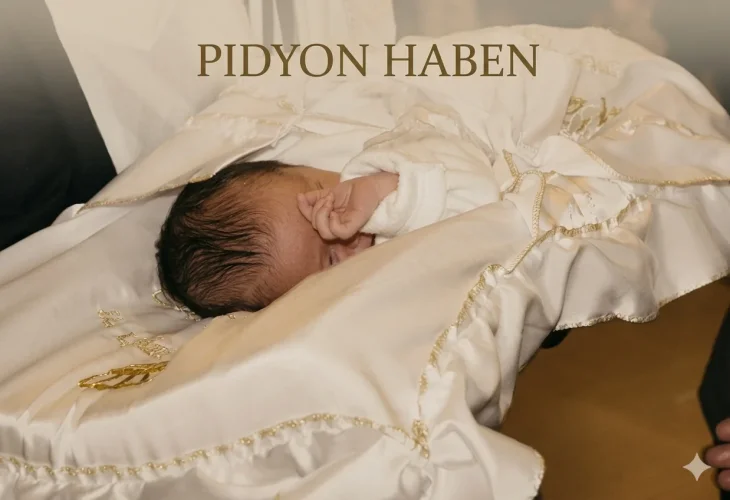
Congratulations On The Arrival Of Your Firstborn Son! Behind This Celebration Lies A Deeply Rooted Spiritual Status Known As Kedusha, Which Historically Distinguishes The Firstborn Within Am Israel. This Unique Sanctity Traces Back To The Final Plague In Mitzrayim, Where Hashem Spared Jewish Homes While Striking The Egyptian Firstborns. Today, This Connection To Our Past Is Maintained Through The Mitzvah Of Pidyon Haben, Where A Kohen Formally Redeems The Child. While The Halachos Can Be Intricate For New Parents To Navigate, This Ancient Ritual Remains One Of The Most Meaningful Milestones In A Young Family’s Journey.
Pidyon Haben: Who, When, How, and Why
What is Pidyon Haben?
Pidyon Haben is a positive commandment imposed on the father of a firstborn son to redeem him from a Kohen. This is one of the twenty four priestly gifts granted to Aaron and his descendants, the Kohanim. The obligation to redeem applies once a male infant reaches thirty days of age, and it is customary to conduct the Pidyon Haben ceremony in the presence of a large gathering and a festive mitzvah meal.
The infant is redeemed from the Kohen by paying "five Sela’im"—a sum of pure silver coins, or an object equal to this value (approximately 96 grams of refined silver). An orphaned infant or one who was not redeemed by his father is obligated to redeem himself when he grows up.
However, not every firstborn is subject to redemption. Only a male child who is the "first to open the womb" for his mother—meaning the first offspring born through natural birth (and not by Cesarean section)—is obligated to be redeemed. If the mother experienced a miscarriage before his birth, he is not considered a firstborn for this purpose.
The infant is dressed in magnificent clothing, and the women adorn him with their gold jewelry—as a rectification for the Sin of the Golden Calf, where jewelry was taken to create the idol. The infant is carried on a silver tray and an embroidered pillow and presented to the Kohen.
The father says:
אִשְׁתִּי הַיִשְׂרְאֵלִית יָלְדָה לִי בֵּן זֶה הַבְּכוֹר: זֶה בְּנִי בְּכוֹרִי. וְהוּא פֶּטֶר רֶחֶם לְאִמוֹ הַיִשְׂרְאֵלִית. וְהַקָדוֹשׁ בָּרוּךְ הוּא צִוָה לִפְדוֹתוֹ...
Ishti ha-Yisre’elit yaldah li ben zeh ha-bechor: zeh beni bechori. Ve-hu peter rechem le-imo ha-Yisre’elit. Ve-ha-Kadosh Baruch Hu tzivah lifdoto...
The Kohen asks the father: "Which do you desire more, to give me your son or to pay the five Sela'im that you are obligated by the Torah?" The father replies to the Kohen:
חָפֵץ אֲנִי לִפְדוֹת אֶת בְּנִי וְהֵילָךְ דְמֵי פִדְיוֹנוֹ כְּדִמְחַיַיבְתִּי מִדְאוֹרַיְיתָא
Chafetz ani lifdot et beni ve-heileich demei fidyono ke-dimchayavti mi-de’Oraita,
Arthur's Pidyon Ha'Ben, Redemption of the First Born
Why Is A Pidyon Haben Performed?
The commandment to redeem the firstborn is one of the earliest in the Torah, stated in connection with the Plague of the Firstborn:
כִּי לִי כָּל בְּכוֹר בְּיוֹם הַכֹּתִי כָל בְּכוֹר בְּאֶרֶץ מִצְרַיִם הִקְדַּשְׁתִּי לִי כָל בְּכוֹר בְּיִשְׂרָאֵל
Ki li kol bechor be-yom hakoti chol bechor be-eretz Mitzrayim hikdashti li kol bechor be-Yisrael.
This means that from the beginning, the Torah sanctified the firstborns for sacred service in the Temple. However, following the Sin of the Golden Calf, in which the firstborns also participated, the Kohanim and Levites, who did not partake in the Sin of the Golden Calf, replaced the firstborns in performing the sacrificial service, and later in the Land of Israel and the Temple. Consequently, the firstborns were required to redeem themselves from the Kohanim.
The Mitzvah of Pidyon Haben is relatively rare, and there are many cases in which the baby is not required to be redeemed, including:
- Only firstborn sons are redeemed.
- If the mother had previous pregnancies that ended in miscarriage or stillbirth.
- Only a child born through a natural birth is redeemed. A child born via Cesarean section is not redeemed because he is not "peter rechem" (the one who opens the womb), as he was removed from the abdomen and not the womb.
- Firstborn sons in families of Kohanim or Levites are not redeemed (this applies whether the father of the baby is a Kohen/Levi or if the mother is from such a family. A Kohen who married a divorcee—the son is redeemed).
In fact, it can be said that fewer than 15% of babies born today are obligated in Pidyon Haben. Therefore, this mitzvah is considered rare, and it is brought down in Torah literature that there is great importance in participating in this celebration, which is equivalent to eighty four fasts (the "Kessef HaPidyon"—referring to eighty four days).
The Order of Pidyon Haben
The Kohen takes the child and asks the father
בִּנְךָ זֶה בּכוֹר הוּא?
Bincha zeh bechor hu?
The father answers: Yes.
The Kohen then says to him
בְּמַאי בָּעִית טַפֵי, בְּבִנְךָ בְכוֹרֶךָ אוֹ בַּחֲמִשָּׁה סְלָעִים דִּמְחַיַּבְתְּ לִפְדּוֹת בָּהֶן?
Be-mai ba’it tafei, be-vincha bechorecha o be-chamishah sela’im dimchayavt lifdot bahen?
The father answers:
בִּבְנִי בְכוֹרִי
Bivni bechori
The Kohen then asks the mother of the child:
בְנֵךְ זֶה בְּכוֹר. שֶׁמֶּא יָלַדְתְּ בֵּן אַחֵר לְפָנָיו אוֹ שֶׁמֶּא הִפַּלְתְּ?
Benech zeh bechor. Shema yaladt ben acher lefanav o shema hifalt?
The mother answers:
זֶה בְּנִי בְכוֹרִי לֹא יָלַדְתִּי וְלֹא הִפַּלְתִּי לְפָנָיו
Zeh beni bechori lo yaladti ve-lo hifalti lefanav.
The Kohen then says:
זֶה הַבֵּן בְּכוֹר הוּא, וְהַקָּדוֹשׁ בָּרוּךְ הוּא צִוָּה לִפְדוֹתוֹ, שֶׁנֶּאֱמַר: וּפְדוּיָו מִבֶּן־חֹדֶשׁ תִּפְדֶּה בְּעֶרְכְּךָ כֶּסֶף חֲמֵשֶׁת שְׁקָלִים בְּשֶׁקֶל הַקֹּדֶשׁ. עֶשְׂרִים גֵּרָה הוּא: כְּשֶׁהָיִיתָ בִּמְעֵי אִמֶּךָ הָיִיתָ בִּרְשׁוּת אָבִיךָ שֶׁבַּשָּׁמַיִם וּבִרְשׁוּת אָבִיךָ וְאִמֶּךָ. עַכְשָׁיו אַתָּה בִּרְשׁוּתִי שֶׁאֲנִי כֹהֵן וְאָבִיךָ וְאִמֶּךָ מְבַקְּשִׁים לִפְדּוֹתְךָ שֶׁאַתָּה בְּכוֹר מְקֻדָּשׁ, שֶׁכֵּן כָּתוּב: וַיְדַבֵּר יְהֹוָה אֶל־מֹשֶׁה לֵּאמֹר: קַדֶּשׁ־לִי כָל־בְּכוֹר פֶּטֶר כָּל־רֶחֶם בִּבְנֵי יִשְׂרָאֵל בָּאָדָם וּבַבְּהֵמָה. לִי הוּא:
Zeh ha-ben bechor hu, ve-ha-Kadosh Baruch Hu tzivah lifdoto, she-ne’emar: U-feduyav mi-ben chodesh tifdeh be-erchecha kessef chamishet shekalim be-shekel ha-kodesh. Esrim gerah hu. Kesheh-hayita bi-mei immecha hayita bi-reshut avicha she-ba-shamayim u-vi-reshut avicha ve-immecha. Achshav atah bi-reshuti she-ani Kohen ve-avicha ve-immecha mevakshim lifdotecha she-atah bechor mekuddash, she-ken katuv: Vaydabber Adonai el Moshe lemor: Kaddesh li kol bechor peter kol rechem bi-vnei Yisrael ba-adam u-va-behemah. Li hu.
The father then takes the money or equivalent value in his hand and says:
אֲנִי רוֹצֶה לִפְדּוֹתוֹ שֶׁכָּךְ כָּתוּב בַּתּוֹרָה: אַךְ פָּדֹה תִפְדֶּה אֵת בְּכוֹר הָאָדָם: וּפְדוּיָו מִבֶּן־חֹדֶשׁ תִּפְדֶּה בְּעֶרְכְּךָ כֶּסֶף חֲמֵשֶׁת שְׁקָלִים בְּשֶׁקֶל הַקֹּדֶשׁ. עֶשְׂרִים גֵּרָה הוּא:
Ani rotzeh lifdoto she-kach katuv ba-Torah: Ach padoh tifdeh et bechor ha-adam. U-feduyav mi-ben chodesh tifdeh be-erchecha kessef chamishet shekalim be-shekel ha-kodesh. Esrim gerah hu.
Before the blessing, he says the Leshem Yichud and then recitesthe blessing:
לְשֵׁם יִחוּד קֻדְשָׁא בּרִיךְ הוּא וּשְכִינְתֵּהּ, בִּדְחִילוּ וּרְחִימוּ, וּרְחִימוּ וּדְחִילוּ, לְיַחֲדָא שֵׁם אוֹת יוּ"ד אוֹת הֵ"א בּאוֹת וָא"ו אוֹת הֵ"א, בּיִחוּדָא שְׁלִים בְּשֵׁם כָּל־יִשְׂרָאֵל. הִנֵּה אָנֹכִי בָּא לְקַיֵּם מִצְוַת עֲשֵׂה שֶׁל פִּדְיוֹן בְּכוֹר, כְּמוֹ שֶׁכָּתוּב: וְכֹל בְּכוֹר אָדָם בְּבָנֶיךָ תִּפְדֶּה, וּכְתִיב: וּפְדוּיָו מִבֶּן־חֹדֶשׁ תִּפְדֶּה בְּעֶרְכְּךָ כֶּסֶף חֲמֵשֶׁת שְׁקָלִים בְּשֶׁקֶל הַקֹּדֶשׁ, עֶשְׂרִים גֵּרָה הוּא. וְיַעֲלֶה לְפָנֶיךָ כְּאִלּוּ קִיַּמְתִּיהָ בְּכָל־פְּרָטֶיהָ וְדִקְדּוּקֶיהָ וְכַוָּנוֹתֶיהָ וְתַרְיַ"ג מִצְוֹת הַתְּלוּיוֹת בָּהּ וּלְתַקֵּן אֶת־שָׁרְשָׁהּ בְּמָקוֹם עֶלְיוֹן, לַעֲשׂוֹת נַחַת רוּחַ לְיוֹצְרֵנוּ וְלַעֲשׂוֹת רְצוֹן בּוֹרְאֵנוּ. וִיהִי נֹעַם אֲדֹנָי אֱלֹהֵינוּ עָלֵינוּ, וּמַעֲשֵׂה יָדֵינוּ כּוֹנְנָה עָלֵינוּ, וּמַעֲשֵׂה יָדֵינוּ כּוֹנְנֵהוּ:
Le-shem yichud Kudsha Brich Hu u-Shechintei, bi-dchilu u-rechimu, u-rechimu u-dchilu, le-yachada shem ot Yud ot Hei be-ot Vav ot Hei, be-yichuda shelim be-shem kol Yisrael. Hineh anochi ba le-kayem mitzvat aseh shel Pidyon Bechor, kemo she-katuv: Ve-chol bechor adam be-vanecha tifdeh, u-chtiv: U-feduyav mi-ben chodesh tifdeh be-erchecha kessef chamishet shekalim be-shekel ha-kodesh, esrim gerah hu. Ve-ya’aleh lefanecha ke-illu kiyamtiha be-chol prateiha ve-dikdukeiha ve-chavanoteiha ve-taryag mitzvot ha-tluyot bah u-le-taken et shorshah be-makom elyon, la-asot nachat ruach le-yotzrenu ve-la-asot rtzon borenu. Vi-hi no’am Adonai Eloheinu aleinu, u-ma’aseh yadeinu konenah aleinu, u-ma’aseh yadeinu konenehu.
בָּרוּךְ אַתָּה יְהֹוָה , אֱלֹהֵֽינוּ מֶלֶךְ הָעוֹלָם, אֲשֶׁר קִדְּשָׁנוּ בְּמִצְוֹתָיו וְצִוָּנוּ עַל פִּדְיוֹן הַבֵּן:
Baruch Atah Adonai, Eloheinu Melech ha-olam, asher kiddeshanu be-mitzvotav ve-tzivvanu al Pidyon Ha-ben.
בָּרוּךְ אַתָּה יְהֹוָה , אֱלֹהֵֽינוּ מֶלֶךְ הָעוֹלָם, שֶׁהֶחֱיָֽינוּ וְקִיְּמָנוּ וְהִגִּיעָנוּ לַזְּמַן הַזֶּה:
Baruch Atah Adonai, Eloheinu Melech ha-olam, she-hecheyanu ve-kiyemanu ve-higgianu la-zman ha-zeh.
He gives the money to the Kohen and says:
זֶה פִּדְיוֹן בְּנִי בְכוֹרִי:
Zeh pidyon beni bechori.
The Kohen receives the money and says:
קִבַּלְתִּי מִמְּךָ חֲמִשָּׁה סְלָעִים אֵֽלּוּ בְּפִדְיוֹן בִּנְךָ זֶה, וַהֲרֵי הוּא פָּדוּי בָּהֶן כְּדַת מֹשֶׁה וְיִשְׂרָאֵל:
Kibalti mimcha chamishah sela’im ellu be-fidyon bincha zeh, va-harei hu padui bahen ke-dat Moshe ve-Yisrael.
יְהִי רָצוֹן מִלְּפָנֶיךָ יְהֹוָה אֱלֹהֵֽינוּ וֵאלֹהֵי אֲבוֹתֵֽינוּ, כְּשֵׁם שֶׁזָּכָה הַבֵּן הַזֶּה לַפִּדְיוֹן, כָּךְ יִזְכֶּה לַתּוֹרָה וְלַמִּצְוֹת וְלַחֻפָּה, וּלְמַעֲשִׂים טוֹבִים בְּחַיֵּי אָבִיו וּבְחַיֵּי אִמּוֹ, אָמֵן כֵּן יְהִי רָצוֹן:
Yehi ratzon milfanecha Adonai Eloheinu ve-Elohei avoteinu, keshem she-zachah ha-ben ha-zeh la-pidyon, kach yizkeh la-Torah ve-la-mitzvot ve-la-chuppah, u-le-ma’asim tovim be-chayei aviv u-vi-chayei immo, Amen ken yehi ratzon.

