

Passover
Kashering for Pesach: A Practical Guide to Preparing Your Kitchen
Before Pesach arrives, the kitchen needs special preparation. Learn the halachic methods for kashering utensils, appliances, and surfaces the proper way.
- Rabbi Zamir Cohen
- | Updated
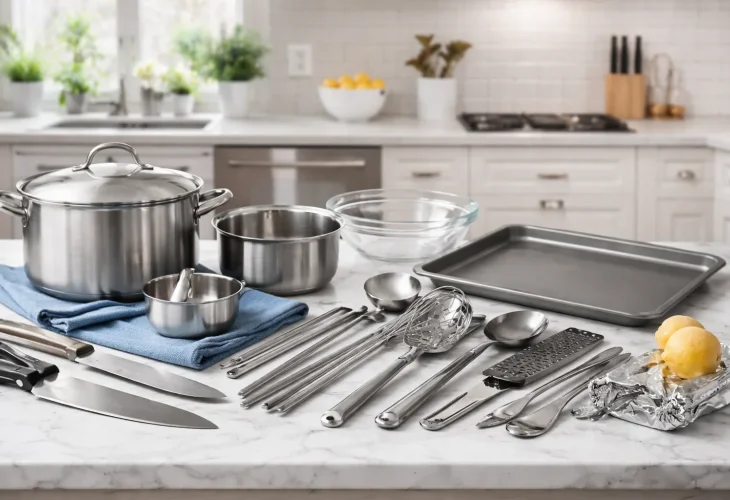
As Pesach approaches, one of the most important preparations in the kitchen is kashering utensils that were used with chametz during the year. Since chametz foods are forbidden on Pesach, utensils that absorbed their flavor must be properly prepared before they can be used again. Jewish law provides clear guidelines for how this is done, depending on how the utensil was originally used.
Understanding the basic principles of kashering can make the process much more manageable. In essence, the method used to kasher a utensil follows the way it absorbed chametz in the first place. With the right preparation, many kitchen items can be made suitable for Pesach.

Kashering Utensils
Most utensils absorb some of the flavor of the food cooked or baked in them. When the utensil is used again, a small amount of that absorbed taste may be released back into the food. For this reason, utensils that were used even once with chametz must be kashered before they can be used during Pesach.
There are two basic options for Pesach utensils.
The first option is to use a dedicated set of utensils that are reserved exclusively for Pesach from year to year. This is the recommended approach.
The second option is to kasher existing utensils by expelling the absorbed chametz. The method of kashering follows the way the utensil absorbed the chametz.
Hag'alah: Kashering Through Boiling Water
Utensils that absorbed chametz through liquids, such as cooking pots, are kashered through hag'alah, which means immersing them in boiling water.
The process is done by placing the utensil into a larger pot of water that is at a rolling boil while the pot is still on the flame. The water must be bubbling at the time of immersion (Shulchan Aruch, siman 451 se'if 5; Mishnah Berurah, sif katan 20).
The word hag'alah means expelling or drawing out, similar to a person rejecting something and forcing it out.
The common custom is that after removing the utensil from the boiling water, it is immediately placed into cold water (Shulchan Aruch, siman 452 se'if 7).
Libun: Kashering Through Fire
Utensils that absorbed chametz through dry heat without liquids require libun, which means heating them directly with fire.
Examples include bread baking trays, metal skewers, or grates used over coals for foods that may contain bread crumbs.
Libun requires heating the utensil until sparks fly from it (Shulchan Aruch, siman 451 se'if 4).
If the utensil is made of a material that would be damaged by such heat, such as many modern oven trays, it should not be kashered. Instead, new trays designated for Pesach should be used, or disposable aluminum pans.
For trays that are usually greased before baking, some authorities allow kashering them with hag'alah in vigorously boiling water while the pot is on the flame (Chazon Ovadia, Pesach, pp. 132–134).
Kashering Specific Utensils
Frying pans
A Teflon frying pan that is used without oil cannot be kashered because it absorbs through dry heat and cannot withstand libun. If it is normally used with oil, it may be kashered through hag'alah (Yalkut Yosef, Mo'adim, p. 365).
Knives
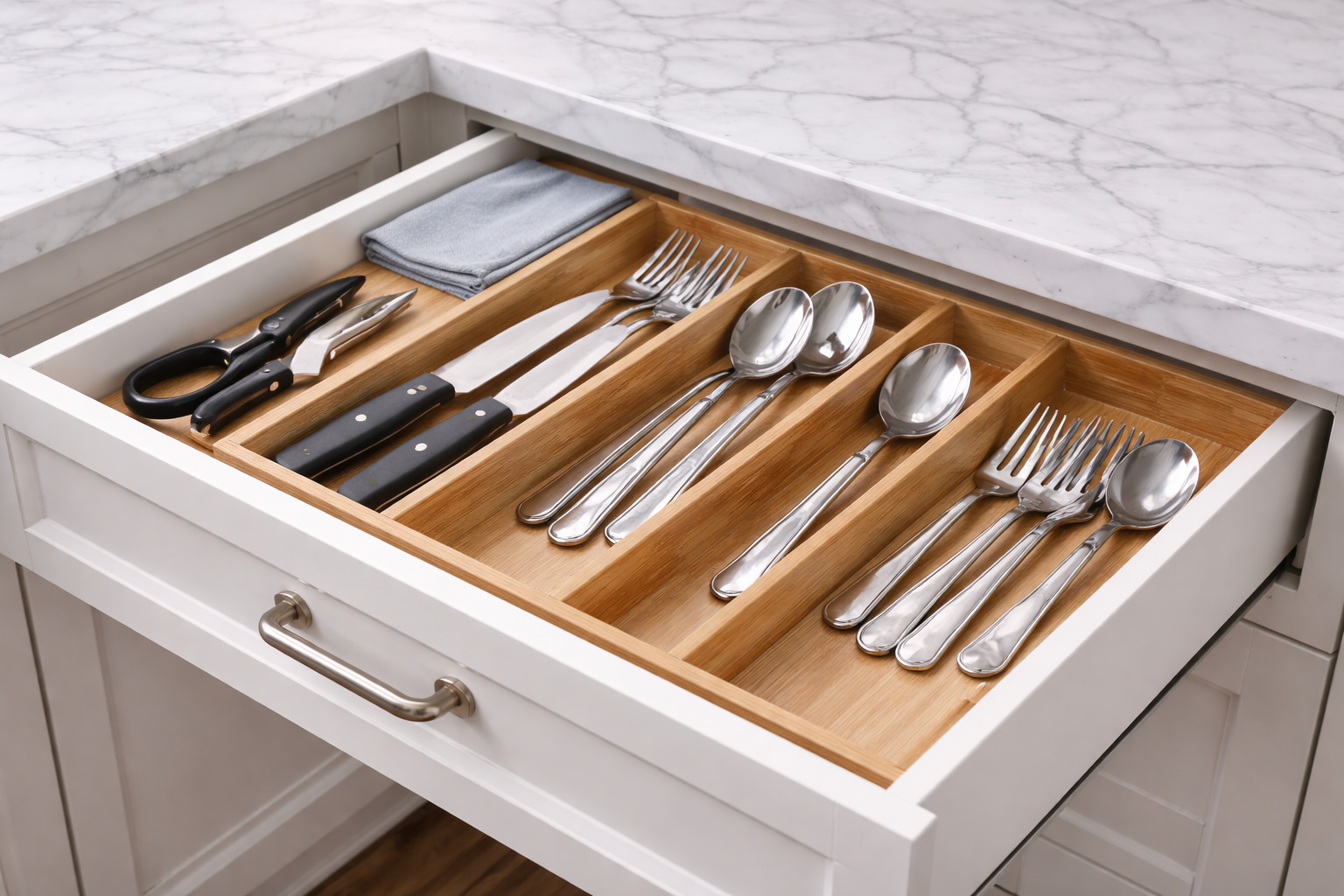
Knives are kashered through hag'alah in boiling water while the pot remains on the flame (Shulchan Aruch, siman 451 se'if 3).
Spoons and forks
Utensils that absorbed chametz without direct contact with a kli rishon, such as spoons and forks, may be kashered in a kli sheni. This means water that was removed from the flame and poured into another container.
Since these utensils are usually used in a kli sheni, we follow the majority of their use. However, they may also be kashered in boiling water on the flame or by pouring boiling water over them (Shulchan Aruch, siman 451 se'ifim 5–6).
Ladles
A ladle is kashered through hag'alah in boiling water while the pot is on the flame (Shulchan Aruch, siman 451 se'if 5).
Utensils that did not absorb chametz
Items that did not absorb chametz, such as a kiddush cup, storage containers for dry foods, refrigerators, and pantry cabinets, only require thorough cleaning with cold water (Shulchan Aruch, siman 451 se'if 1).
Materials That Cannot Be Kashered
Earthenware used with hot chametz cannot be kashered for Pesach because it absorbs and does not release what it has absorbed (Shulchan Aruch, siman 451 se'if 1).
If earthenware was used with cold chametz liquids such as beer for twenty four hours or more, it may be kashered through hag'alah. Another option is to fill it with water for twenty four hours and replace the water every twenty four hours for three days. In this way the water gradually draws out the absorbed chametz (Shulchan Aruch, siman 451 se'if 21).
Porcelain and chinaware have the same halachic status as earthenware.
Plastic utensils, however, are treated like metal utensils and may be kashered according to how they were used (Chazon Ovadia, Pesach, p. 151).
Kashering Kitchen Fixtures
Kitchen sink
The kitchen sink should be cleaned thoroughly and then have boiling water poured over it, for example from an electric kettle. It is proper to repeat this process three times.
Countertops
Since hot chametz food may sometimes be placed or spilled on countertops, boiling water should be poured over them. Some people also cover the countertop with heavy aluminum foil as an additional precaution.
Dining table
A table used with chametz should be cleaned thoroughly and have boiling water poured over it. If there is concern that water may damage the table, it may be covered with a tablecloth during Pesach.
If the table is always used with a tablecloth during the year, it is sufficient to clean the table well and wash the tablecloth in very hot water.
Burners and stovetop grates
Burners and grates should be cleaned thoroughly and have boiling water poured over them. Some people perform hag'alah on them. It is also common to wrap parts of the grate with aluminum foil as an added precaution.
Appliances
Oven
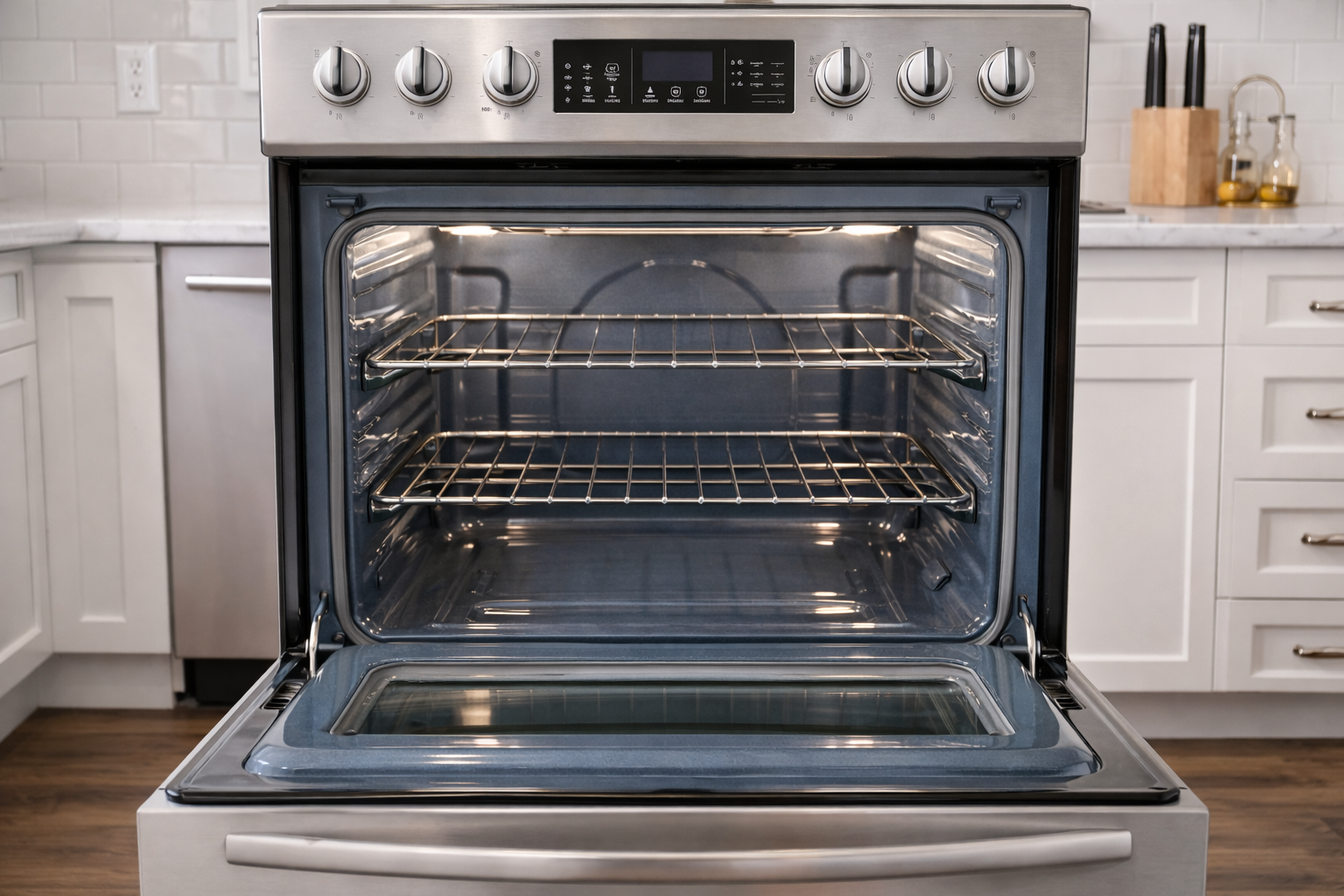
An oven used with chametz during the year is preferably not used on Pesach. However, it may be kashered by cleaning it thoroughly, waiting twenty four hours from its last use, and then running it at its highest temperature for about one hour.
Baking trays usually require libun and may be damaged by such heat. Therefore new trays or disposable aluminum pans should be used.
Microwave
A microwave may be kashered by cleaning it thoroughly, waiting twenty four hours from its last use, placing a cup of water with a little cleaning agent inside, and running it for several minutes until steam fills the interior.
Dishwasher
A dishwasher may be kashered by cleaning it thoroughly, adding detergent, and running a full hot water cycle without dishes. It is preferable to wait twenty four hours before performing this process.
Other Household Items
Refrigerator and freezer
These should be cleaned thoroughly with cold water to ensure that no crumbs remain. Door gaskets should be cleaned carefully since crumbs often become trapped in the grooves.
Hot water urn
If the urn was never used with chametz, rinsing it with cold water is sufficient. If chametz foods were heated on it, it must be kashered through hag'alah or by boiling water in it until the water overflows.
Dentures
Dentures should be cleaned thoroughly to remove crumbs. It is also recommended to pour boiling water over them.
Additional Guidelines
Meat and dairy utensils should not be kashered together. They should be kashered separately, one after the other. However, if twenty four hours have passed since one of them was last used, they may be kashered together (Shulchan Aruch, siman 452 se'if 2).
If kashering utensils on the 14th of Nissan, the hag'alah should be completed before the fifth halachic hour of the day.
These guidelines help ensure that utensils are properly prepared for Pesach so that the kitchen can be used with confidence throughout the holiday.

