

Personality Development
The Hidden Power of Color and Their Influence on Mood, Health, and the Soul
Scientific research and ancient Kabbalistic wisdom reveal how colors shape human emotions, behavior, and spiritual energy
- Rabbi Zamir Cohen
- | Updated
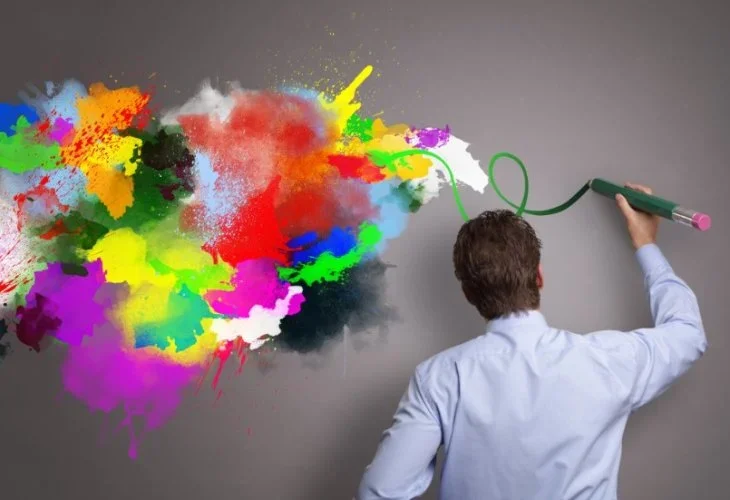
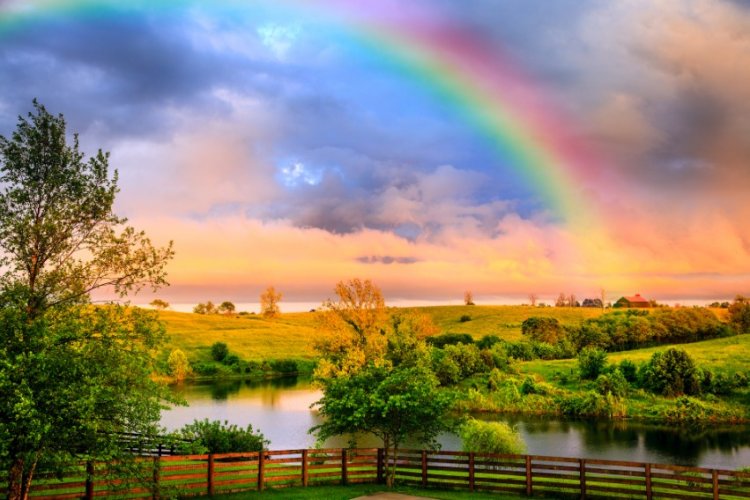
The world around us is filled with color: fields of grass and flowers, brilliantly patterned animals, and the stunning arc of a rainbow spread across the sky.
For many years, researchers viewed color mainly as an aesthetic feature, something beautiful that sometimes also served a practical purpose in nature, such as warning signals or camouflage. Over time, numerous studies conducted in different parts of the world began to suggest something deeper: color does not merely please the eye. It can also affect the human body and mind in powerful ways.
Researchers found that colors can influence mood, emotional balance, and even physical processes. One color may accelerate the pulse, while another can lower blood pressure. Some colors calm the nervous system, while others stimulate it. Color preference has also been used as a tool for understanding personality and emotional state, based on the idea that the colors a person is drawn to often reflect something internal.
What Science Has Observed
A study in human psychophysiology conducted by Dr. Robert Gerard at the University of California examined whether colors evoke emotional and physical responses, and whether those responses correspond to the energy of the color stimulus. The study measured blood pressure, perspiration, breathing rate, blinking, heart rate, muscle activation, and brain waves.
The findings showed that colors can produce measurable changes in the autonomic nervous system, in brain activity, and in emotional experience.
Blue was associated with calm, ease, and pleasant thoughts, while red was associated with excitement, stimulation, and tension. According to the researcher, blue functions as a psychological calming agent, especially in states of stress and anxiety.
Additional studies found similar patterns. A naturally quiet and reserved person who is asked to wear red may feel pushed into a more daring emotional state. By contrast, a highly agitated person facing an important decision may benefit from wearing blue, which may help support calm and balanced thinking. Someone dull or unmotivated may be energized by red tones in the environment, both physically and psychologically.
The Four Main Colors and Their Effects
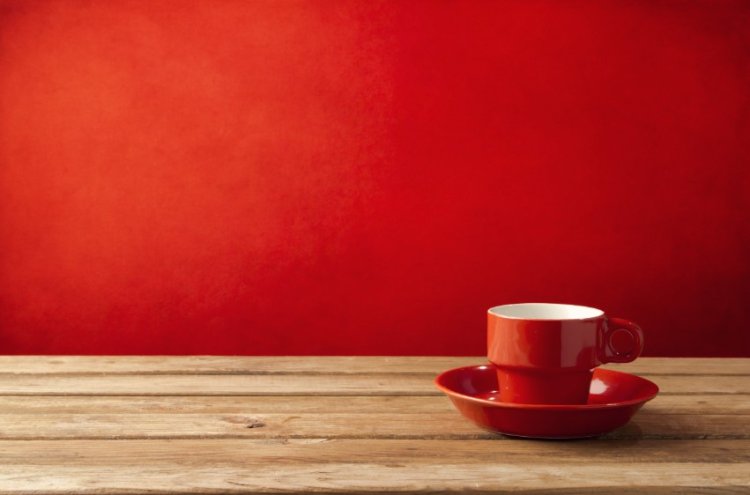
Red: Energy, Speed, and Emotional Intensity
Research discussed by Dr. Sheril Kirshenbaum in The Science of Kissing suggests that looking at red can quicken heart rate and pulse, producing a feeling of excitement and even slight breathlessness.
Further studies, including work by Professor Andrew Elliot of the University of Rochester, found that red can enhance physical vigor during sports and other active tasks, increasing speed and intensity. Red also appears to attract attention more powerfully than other colors and can trigger stronger emotional responses, including anger.
At the same time, some studies suggest that while red may boost physical activation, it may hinder motivation and performance in intellectual tasks.
Blue: Calm, Trust, and Creativity
Blue has long been associated with calm, and research supports that impression. It appears to increase the activity of the parasympathetic nervous system, which governs states of rest and relaxation. Blue light has also been used in phototherapy for emotional distress, and it is widely known for its role in treating newborn jaundice.
In one classroom study, when wall colors were changed from white and orange to blue, children’s blood pressure dropped, behavior improved, and aggression decreased. When the original colors were restored, the earlier behavior returned.
Other studies found that blue may also increase concentration and creativity. It is one reason many offices use blue tones, and why people dressed in blue are often perceived as reliable and responsible.
Yellow: Joy, Hope, and Emotional Brightness
Yellow is often associated with happiness, warmth, curiosity, and optimism. Writers in the field of color psychology describe it as a color that conveys joy, light, and forward looking energy.
This also helps explain the emotional difficulty many people experience in regions with little sunlight. Seasonal Affective Disorder, SAD, is marked by depression, irritability, anxiety, and emotional instability during darker months. When sunlight returns, symptoms often ease. Artificial light that resembles sunlight can also help relieve this condition.
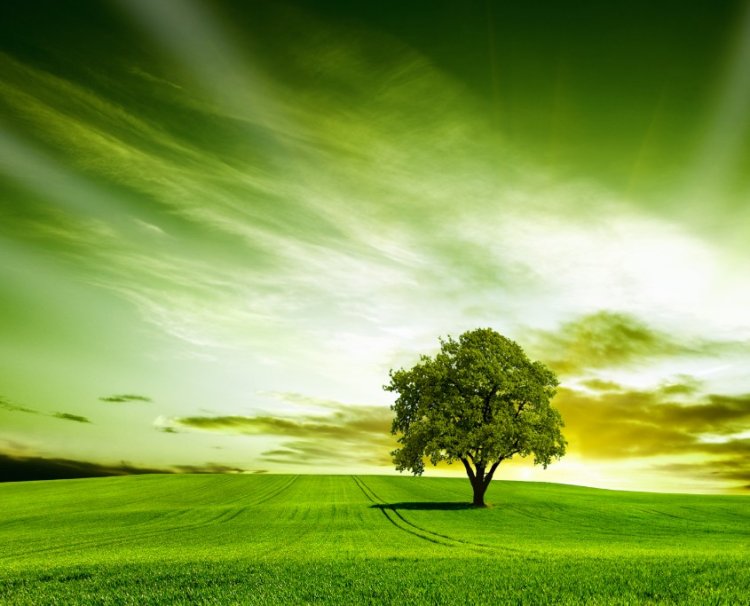
Green: Healing, Renewal, and Growth
Studies have shown that physical activity in green environments can improve mood, self esteem, and motivation. Some researchers argue that the effect is not only due to being near plants, but to the color green itself.
Green is restful to the eye and may reduce visual strain. Research has also suggested that green can improve reading ability and increase creativity. For this reason, green has come to be associated with healing, growth, renewal, and inner balance.
Color in Everyday Life
Long before modern research, people already sensed that colors carry emotional meaning. Judges traditionally wore black to project seriousness. Doctors wore white to symbolize purity and cleanliness. Police uniforms were often blue, conveying reliable authority without the harshness of black.
Today this awareness has spread into many areas of life. Hospitals often use green. Classrooms use colors more intentionally. Traffic systems use red for warning and green for permission. Interior design relies heavily on color to shape atmosphere, and even kitchens are sometimes painted in ways meant to influence energy and creativity.
Each color affects the human being differently, both the person wearing it and the one who sees it.
Are These Really New Discoveries?
Although many people speak of these findings as groundbreaking, the deeper meaning of color has been known in Jewish thought for centuries.
Rabbi Moshe Cordovero, the Ramak, in Pardes Rimonim, discusses the spiritual significance of color in relation to the sefirot.
He begins with an important clarification: when Kabbalistic texts associate colors with spiritual realms, this is not meant literally, as though spiritual realities possess physical color. Rather, color serves as a symbolic and functional expression of the spiritual forces flowing into the world.
Red corresponds to judgment, strength, and intensity, while white corresponds to mercy, peace, and kindness. These are not arbitrary associations. According to the Ramak, colors in the natural world reflect deeper spiritual roots, and their effects on human beings flow from those roots.
He adds that color influences not only through sight, but even through focused imagination. A person who vividly imagines a sour lemon may salivate even without tasting it. In the same way, concentrated mental engagement with color can affect the body and the soul.
The Colors of the Sefirot
Before exploring the sefirot themselves, the article notes the familiar division of color into primary colors, blue, yellow, and red; secondary colors, green, orange, and purple; and the many additional colors created by blending them.
Among the three primary colors, red and blue are opposites, while yellow stands between them as a balanced middle. Red is hot and stirring. Blue is cool and calming. Yellow is radiant, warm, and balanced.
This becomes especially meaningful in the structure of the sefirot.
Keter: Brilliant White
Keter, the crown above the head, is associated with a radiant white light, higher and more luminous than the white associated with kindness. It represents the connection between the human being and the Creator.
Chochmah: Blue Purple
Chochmah is wisdom, corresponding to the right side of the brain, is associated with sapphire blue purple. This color reflects lofty thought and spiritual longing. Purple, formed from red and blue, combines activity with thought, force with restraint.
Binah: Green
Binah, which is understanding, is associated with green, the color of emergence, formation, and renewal. Just as fruit begins green in its earliest stage, green symbolizes the beginning of growth. That is why, according to this approach, green has restorative power for both body and soul.
Chesed: White, Silver, and Blue
Chesed, the quality of loving kindness, ranges from white to silver to blue. White reflects and gives without retaining anything, making it a fitting symbol for pure generosity. Blue, the gentler and more balanced form of kindness, calms the human spirit.
Gevurah: Shades of Red
Gevurah, the quality of judgment and strength, is linked to red and its variations. Red heats, arouses, and intensifies. It can help activate a sluggish person, increase alertness, and awaken strength.
Tiferet: Yellow
Tiferet, which balances kindness and judgment, is represented by yellow. Yellow expresses harmony, warmth, and joy. It can lift sadness and restore vitality. Its absence, especially during long grey winters, can deepen feelings of heaviness and gloom.
Netzach and Hod: Softened Blends
The lower sefirot, netzach and hod, are associated with mixed tones, especially combinations of blue and pink. Pink in particular is described as calming anger. In this framework, pink represents judgment softened by kindness.
Modern therapists have indeed used pink in settings involving aggression, including adolescent care, family therapy, and even prison calming rooms.
Yesod: Orange
Yesod is associated with orange, a blend of red and yellow. It represents strength joined with joy, discipline joined with warmth. Orange is described as a color of optimism, forgiveness, and emotional resilience.
Malchut: Dark Red Near Black
Malchut, royalty, is associated with a dark red tending toward black. Unlike the higher sefirot, it has no independent power of its own, but receives from what is above it and channels it outward into reality.
White on Yom Kippur
This perspective helps explain why white clothing is associated with Yom Kippur. Repentance and fasting are central, but clothing also carries symbolic power. White expresses purity, mercy, and spiritual cleansing. According to this view, wearing white while returning to God helps draw down that atmosphere of purity and grace.
The Rainbow as a Spiritual Sign
Scientifically, a rainbow is created when sunlight is refracted through raindrops. In Torah thought, its meaning goes beyond optics. The rainbow is described as a sign of the covenant after the Flood, a visible reminder that even when the world deserves judgment, divine mercy restrains destruction.
Its progression of colors, from red through the other shades toward blue, reflects the softening of judgment into kindness. Unlike a battle bow aimed toward the earth, the rainbow curves upward, suggesting that divine anger is being held back rather than released upon humanity.
In that sense, the rainbow becomes more than a beautiful natural phenomenon. It is a call to reflection, repentance, and renewal.
Modern research has shown that colors influence human emotion, physiology, and behavior in real and measurable ways. Jewish mystical thought goes a step further, offering an inner map for why this is so.
Science describes the effects, while Kabbalah explains their roots.
Together, they present color not as decoration alone, but as a meaningful force woven into creation, shaping body, mood, thought, and soul.

