

World News
Trump’s Hormuz Strategy: Pressure the Countries That Need the Oil Most
As Iran threatens to keep the strait closed, Trump is publicly pushing major energy importers to help secure the world’s most important shipping lane
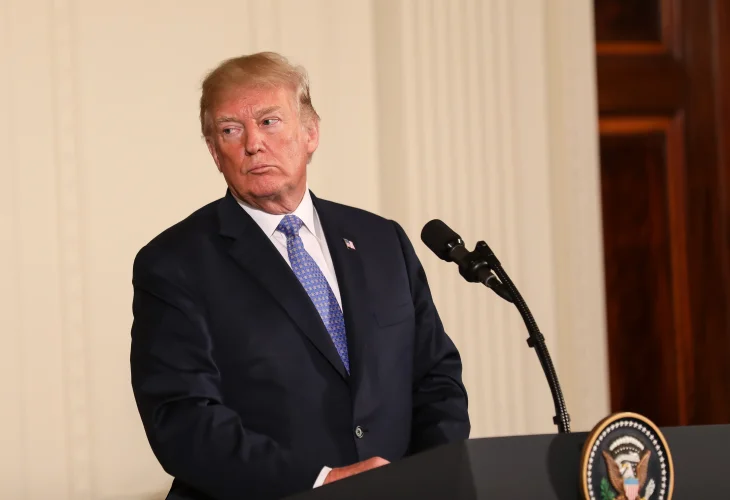 Donald Trump (Shutterstock)
As the war with Iran threatens global oil supplies, President Donald Trump has begun publicly urging other countries to help secure the Strait of Hormuz, a strategy that appears aimed at shifting responsibility for protecting the critical waterway onto the nations that depend on it most.
The narrow waterway carries roughly one-fifth of the world’s oil supply, making it one of the most important energy chokepoints on the planet. On Saturday, Iran’s Islamic Revolutionary Guards Corps warned that the strait was under its “full control” and declared that “any attempt to move or transit will be targeted,” raising fears that tanker traffic could be disrupted and pushing energy markets higher.
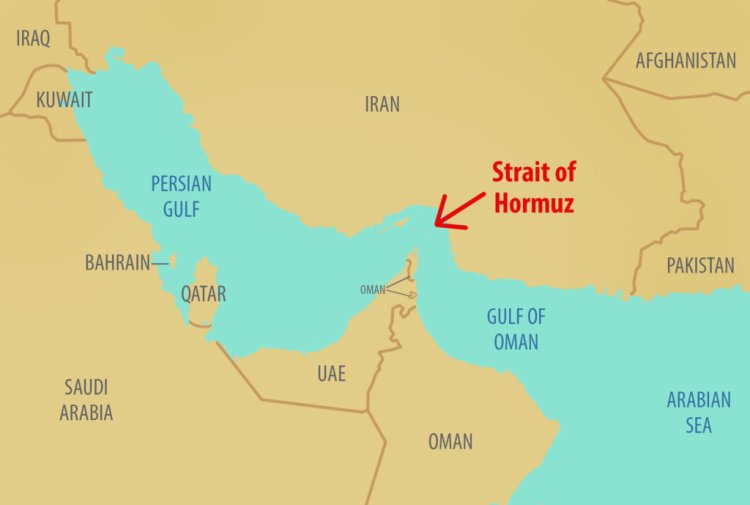
The battle over the Strait of Hormuz has therefore become not only a military confrontation with Iran but also a test of whether the world’s largest energy consumers will help defend the route their economies rely on.
Trump has repeatedly emphasized the need to reopen the waterway, warning that disruptions there threaten global energy markets. In a recent post, he wrote that the United States would soon get the shipping lane “open, safe and free,” arguing that global oil supplies remain abundant but are currently being obstructed by the conflict.
Trump has responded by calling for an international naval effort to keep the passage open. In a post on Truth Social yesterday, the president wrote that the “Countries of the World that receive Oil through the Hormuz Strait must take care of that passage, and we will help — A LOT!” He added that the United States would coordinate with other nations to ensure the strait becomes “open, safe and free.” Trump also suggested that several major powers could contribute naval forces to the effort, including China, France, Japan, South Korea and Britain.
Trump’s comments suggested a shift away from U.S.-led action toward greater international responsibility. While Trump had previously stressed that U.S. forces would reopen the strait, he now framed the mission as one that should be led by the countries whose economies rely most heavily on its oil flows. Trump publicly named the countries he expects to participate, placing pressure on major oil-importing nations to help protect the shipping lane they rely on.
By making the appeal through loud public statements, he has effectively shifted the debate from whether the United States will secure the strait alone to whether other countries that benefit from the waterway are willing to help defend it. Countries that decline to participate could then risk being seen as relying on American protection while doing little to contribute.
A similar strategy was used during negotiations over the Gaza war, when Trump used public statements and deadlines to pressure Hamas and regional mediators during hostage talks. At the time, he called out Hamas as the main obstacle to a deal, warned that his proposed deals were a “final proposal” and that conditions would “only get worse” if they were rejected, while earlier in the conflict he issued public deadlines demanding the release of hostages and warning there would be “all hell to pay” if they were not freed.
Whether the same approach will succeed in the Strait of Hormuz remains uncertain. But by publicly urging major oil-importing countries to help secure the Strait of Hormuz, Trump has already reframed the crisis as not only a confrontation with Iran, but also a broader question about who should bear responsibility for protecting one of the world’s most critical energy routes.
Questions & Answers
+Why is the Strait of Hormuz so important to global oil supply?
+Which countries depend most on oil passing through the Strait of Hormuz?

