

Passover
The Meaning and Structure of the Passover Seder Night
The traditions, symbols, and story behind the most meaningful night of the Passover holiday
- Yonatan HaLevi
- | Updated
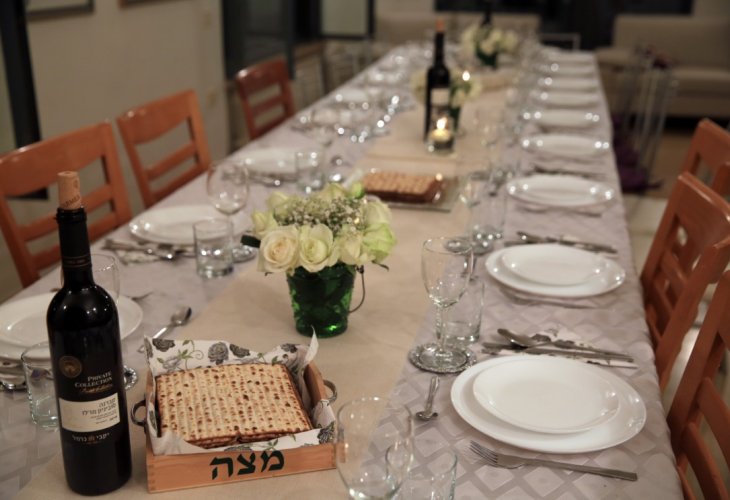 (Illustrative photo: Nati Shohat/Flash 90)
The Seder night is the name given to the festive meal and the special commandments observed on the first night of Passover. Outside of Israel, the Seder is held on the second night of the holiday as well.
Families gather together to fulfill the unique mitzvot of this evening. These include eating matzah, drinking four cups of wine, and retelling the story of the Exodus from Egypt.
The night is called “Seder,” meaning order, because the entire evening follows a carefully arranged sequence of rituals and traditions.
The Order of the Seder
In medieval times, scholars composed a set of short headings that outline the structure of the evening. These headings divide the Seder into fifteen stages.
Kadesh
The evening begins with Kiddush, the sanctification of the holiday over wine. This cup is the first of the four cups of wine that must be drunk during the Seder.
Each participant has a cup of wine poured before Kiddush begins. After Kiddush is recited, everyone drinks their cup while reclining, symbolizing freedom.
Urchatz
Before eating the vegetable known as karpas, participants wash their hands without reciting a blessing. This practice follows a rabbinic enactment to wash hands before eating foods dipped in liquid.
Karpas
A vegetable such as celery, potato, or cucumber is dipped into salt water and eaten. The salt water recalls the tears of the Israelites in Egypt.
Before eating, the blessing Borei Pri HaAdamah is recited. The blessing should also include the bitter herbs that will be eaten later.
Only a small amount is eaten, less than the size that would require an additional blessing afterward.
Yachatz
The leader of the Seder breaks the middle matzah from the three matzot placed on the Seder plate. The larger portion is set aside to be used later as the afikoman, while the smaller piece is returned between the two whole matzot.
Maggid
This section fulfills the Torah commandment to recount the story of the Exodus from Egypt on the night of the fifteenth of Nisan.
The narrative follows the structure of the Haggadah. It begins with the famous question asked by the children: “Why is this night different from all other nights?”
The answers describe the suffering in Egypt and the miraculous redemption. The tradition encourages expanding this story because “whoever increases the telling of the Exodus from Egypt is praiseworthy.”
During the section describing the Ten Plagues, a small amount of wine is spilled from the cup for each plague. Various explanations are given for this custom, including mystical interpretations found in Jewish tradition.
Rachtzah
Before eating matzah, participants wash their hands again, this time with a blessing.
Motzi
The leader takes the three matzot and recites the blessing over bread.
Matzah
Immediately afterward, everyone eats matzah while reclining. Eating matzah on the Seder night is a biblical commandment, as it is written: “In the evening you shall eat matzot.”
During the Seder, matzah is eaten three times: at this point, during the sandwich called korech, and again at the end of the meal as the afikoman.
Maror
Bitter herbs, usually lettuce or horseradish, are eaten after being dipped in charoset. This commemorates the bitterness of slavery in Egypt. The maror is eaten without reclining.
Korech
A small sandwich is made from matzah and bitter herbs dipped in charoset. This recalls the custom of Hillel in the Temple period, who combined the Paschal offering, matzah, and bitter herbs together.
Shulchan Orech
The festive holiday meal is served. It should be a respectable and enjoyable meal in honor of the festival.
However, one should not eat excessively so that the afikoman can be eaten with an appetite and the evening can continue with songs and praise.
Tzafun
The hidden piece of matzah set aside earlier is now eaten. This matzah is known as the afikoman.
After eating the afikoman, no other food is eaten so that the taste of the matzah remains in the mouth.
Barech
Grace after meals is recited, followed by drinking the third cup of wine.
Hallel
A fourth cup of wine is poured and the remaining chapters of Hallel, songs of praise to God, are recited.
At this point it is customary to open the door and recite verses beginning with “Pour out Your wrath.” Opening the door symbolizes faith that this night is protected and that redemption will ultimately come.
Nirtzah
The Seder concludes with traditional songs composed over the centuries, such as Chad Gadya, Echad Mi Yodea, and other closing hymns.
The Four Cups of Wine
Each participant drinks four cups of wine during the Seder, reclining to the left as a symbol of freedom.
The four cups correspond to the four expressions of redemption mentioned in the Torah when God promises to deliver the Israelites from Egypt:
“I will bring you out, I will save you, I will redeem you, and I will take you to be My people.”
Telling the Story of the Exodus
One of the central commandments of the Seder night is to recount the story of the Exodus to the next generation.
Parents have a special responsibility to pass this story to their children. The narrative reminds us of the birth of the Jewish people, the foundations of Jewish faith, and the beginning of the nation’s journey toward its destiny.
Because of this importance, the Haggadah declares that the more one speaks about the Exodus, the more praiseworthy it is.
Telling the Story Late Into the Night
It is customary to continue discussing the Exodus throughout the night of the fifteenth of Nisan, at least until midnight and often until sleep overtakes us.
Some communities also read the Song of Songs, which symbolizes the deep love between God and the people of Israel revealed during the redemption from Egypt.
Before going to sleep, many recite only the basic bedtime Shema and the blessing of Hamapil. The usual additional verses are omitted because this night is known as Leil Shimurim, a night guarded from harm.
The Haggadah
The word Haggadah comes from the commandment “And you shall tell your child.” Through the Haggadah we fulfill the mitzvah of recounting the story of the Exodus.
During the narrative the children ask the famous questions beginning with “Why is this night different from all other nights?”
The answer explains that the Jewish people were slaves in Egypt and that God redeemed them with a mighty hand and an outstretched arm.
The narrative concludes with praise to God and the hopeful declaration that echoes through every generation: “Next year in Jerusalem.”
Reclining as a Symbol of Freedom
Eating matzah and drinking the four cups of wine are done while reclining to the left, a posture that reflects the way free people once dined in ancient times.
This posture emphasizes the central message of the evening: on this night we celebrate our freedom.
The Seder Plate
One of the most recognizable symbols of the Seder is the Seder plate, which contains several symbolic foods.
These include:
Zeroa – a roasted bone symbolizing the Passover sacrifice offered in the Temple.
Egg – a hard boiled egg representing the festival offering that accompanied the Passover sacrifice.
Karpas – a vegetable dipped in salt water.
Maror – bitter herbs recalling the bitterness of slavery.
Charoset – a sweet mixture of fruits, nuts, and wine that symbolizes the mortar used by the Israelites during their forced labor.
Chazeret – an additional portion of bitter herbs used for the korech sandwich.
The Afikoman
Toward the end of the Seder, the afikoman is eaten as a remembrance of the Passover sacrifice that was eaten at the conclusion of the Temple service meal.
Because the Passover offering was the final food eaten, no additional food is eaten after the afikoman so that its taste remains.
Opening the Door for Eliyahu
During the recitation of the verses “Pour out Your wrath,” many families open the door of their homes.
According to tradition, this moment symbolizes faith that the night is protected and that divine redemption will ultimately come. Jewish tradition also teaches that Eliyahu HaNavi visits Jewish homes at this time, symbolizing hope for the future redemption.
The Seder night weaves together history, faith, family, and tradition. Through its carefully ordered rituals, each generation relives the journey from slavery to freedom and passes that story forward to the next generation.

