

Israel News
Israel Advances in Lebanon While Talks on Hezbollah’s Future Take Shape
Reports describe possible Israel–Lebanon talks on Hezbollah disarmament, but Israeli officials signal little expectation of quick progress
 (IDF)
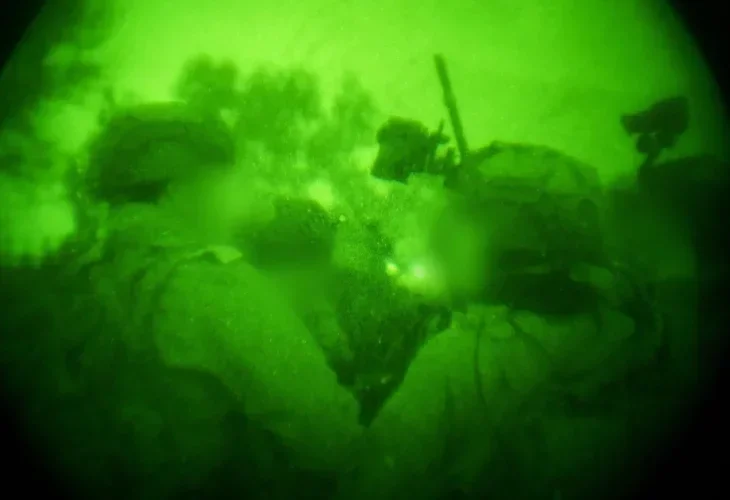
(IDF)The IDF announced Monday that forces from Division 91 have begun targeted ground operations in southern Lebanon, focusing on Hezbollah positions and infrastructure along the border area. According to the military, the activity is intended to expand Israel’s defensive space and remove threats directed at communities in the Galilee.
The development comes as reports emerge of possible negotiations between Israel and Lebanon aimed at reaching a ceasefire framework that would include the disarmament of Hezbollah. However, Israeli officials have expressed skepticism that such talks will produce quick results, even as military pressure on the Lebanese front continues to increase.
According to the IDF, the ground activity follows a series of preparatory strikes carried out by artillery and the Israeli Air Force against Hezbollah targets in southern Lebanon. These attacks were intended to neutralize potential threats and prepare the area for the entry of ground forces. The military said the operations are focused on terrorist infrastructure and militants operating near the border.
“The IDF will continue to act with force against the Hezbollah terrorist organization that chose to join the fighting and operate under the sponsorship of the Iranian terror regime, and will not allow harm to Israeli civilians,” the IDF said in a statement.
Israeli forces along the northern border have been reinforced in recent days as the security cabinet weighs expanding ground operations aimed at pushing Hezbollah fighters farther away from Israeli communities. Israeli media reported yesterday that the defense establishment has asked the government to approve raising the maximum reserve mobilization ceiling to as many as 450,000 soldiers as part of preparations for a possible wider campaign in Lebanon. Officials say the goal of the current activity is to weaken Hezbollah’s ability to launch attacks from areas close to the border and create an additional layer of protection for residents of northern Israel.
At the same time, diplomatic contacts are reportedly taking shape. Reuters reported that Israeli and Lebanese representatives could hold rare talks in the coming days focused on reaching a more durable ceasefire arrangement and addressing the presence of Hezbollah fighters in southern Lebanon. According to the report, Israel’s delegation is expected to be led by Minister of Strategic Affairs Ron Dermer, with France offering to help facilitate discussions that could take place in Cyprus.
Lebanon’s leadership has been exploring the possibility of negotiations as pressure mounts inside the country following months of fighting. More than 800,000 people have been displaced in Lebanon during the conflict, increasing pressure on the government in Beirut to search for ways to halt the fighting.
However, the diplomatic effort faces major political obstacles inside Lebanon itself. President Joseph Aoun has been pushing to open a negotiation channel with Israel, but Parliament Speaker Nabih Berri has insisted that Israel first agree to a ceasefire before any talks take place. Lebanese reports say the country has yet to finalize the composition of a negotiating delegation, further delaying progress.
Hezbollah officials have also rejected the initiative outright. Mahmoud Qamati, a senior member of Hezbollah’s political council, dismissed the proposal in an interview with Al Jazeera, saying, “This initiative collapsed before it even began. It died before it was born.”
Israeli officials have also signaled deep doubts that Lebanon’s government can enforce any agreement that would require Hezbollah to disarm. Speaking at the site of a recent rocket strike in northern Israel, Foreign Minister Gideon Sa’ar said Lebanon had failed to implement earlier commitments following the November 2024 ceasefire.
“If the Lebanese government and army want to change something, they must take action to stop the attacks carried out by Hezbollah from Lebanese territory toward Israel,” Sa’ar said. “Since the ceasefire in November 2024, Lebanon has not truly done what it needed to do in order to disarm Hezbollah.”
As Israel continues its military operations in southern Lebanon while diplomatic contacts begin to surface, Israel appears to be pursuing both tracks simultaneously by increasing military pressure against Hezbollah while testing whether negotiations could produce a longer-term arrangement along the northern border.

