

Parashat Bo
10 Unique Insights into the Exodus from Egypt
Discover 10 fascinating teachings from the Zohar, Midrash, and Talmud that reveal the deeper meaning of the Exodus from Egypt and Hashem’s love for His people.
- Yonatan HaLevi
- | Updated
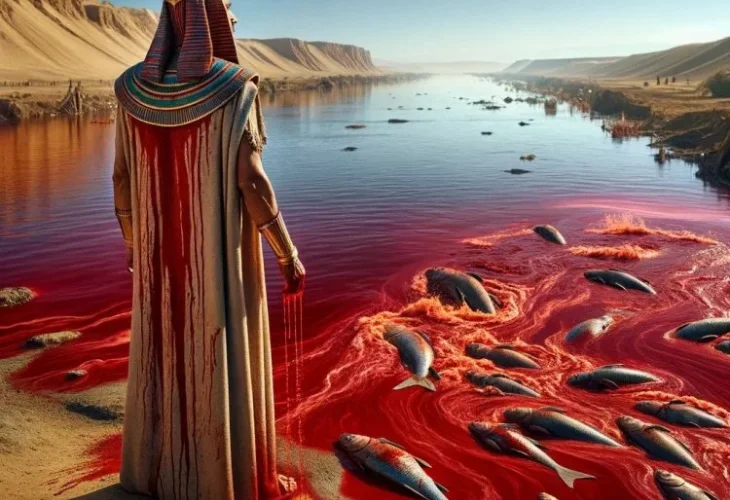
The Exodus from Egypt is one of the most central events in Jewish history. It represents not only physical liberation but also spiritual redemption and the birth of the Jewish nation. Throughout the Zohar, Midrash, and Talmud, the sages reveal deeper layers of meaning behind this momentous event. These teachings highlight Hashem's love for His people, the spiritual purpose of redemption, and the lessons that continue to guide the Jewish people today.
A Comparison Between the Exodus and the Future Redemption
The Zohar comments on the verse, "As the days when you went out of Egypt, I will show you wonders." It explains that in the future Hashem will redeem His children in a way that mirrors the redemption from Egypt.
Just as Hashem brought the Israelites out of Egypt and struck Egypt with plagues for the sake of Israel, so too in the future redemption He will demonstrate His power once again.
However, the Zohar points out an important difference between the two redemptions. The Exodus from Egypt involved one king and one kingdom. In contrast, the future redemption will involve all the kings and nations of the world. During that time, Hashem will strike the nations with even greater plagues because they refused to release and support Israel throughout history.
The Zohar concludes that through this process, Hashem will be honored throughout the world and all humanity will recognize His sovereignty. (Zohar, Tazria 140)
The Zohar Reveals Hashem's Great Kindness
Hashem promised Abraham that He would redeem his descendants from the oppression of Egypt. However, the Zohar teaches that Hashem went even further than His original promise.
He did not only free the Jewish people from physical slavery. He also removed them from the spiritual impurity of Egypt and elevated them into holiness.
The Zohar explains that the Torah mentions the Exodus from Egypt fifty times. This repetition highlights the immense kindness that Hashem showed the Jewish people by rescuing them from forces of impurity and bringing them into the realm of holiness, symbolized by the fifty gates of understanding. (Zohar Chadash, Yitro 3)
The Greatness of the Exodus Miracles
The Mekhilta comments on the verse, "And you shall know that Hashem brought you out."
From this verse the sages learn that the Exodus from Egypt is considered equal to all the miracles and mighty acts that Hashem performed for Israel. The redemption was not simply one miracle among many. It stands as a central event that represents the full expression of Hashem's power and providence.
The Connection Between the Exodus and the Commandment of Interest
The sages teach that Hashem conditioned the redemption from Egypt upon Israel's future acceptance of the Torah and its commandments.
Among those commandments is the prohibition against charging interest between Jews. The Sifra explains that acknowledging this commandment is closely tied to acknowledging the Exodus itself.
Whoever accepts the commandment of interest affirms the truth of the Exodus from Egypt. Conversely, someone who denies this commandment is considered as though he denies the Exodus itself. (Sifra, Behar, Parasha 5)
What Merits Brought About the Redemption?
The Jerusalem Talmud in Tractate Ta'anit lists five merits through which the Jewish people were redeemed from Egypt.
The sages explain that redemption came through the appointed time that Hashem had set, through the suffering that Israel endured, through their cries and prayers, through the merit of the ancestors, and through repentance. (Ta'anit 3:1)
These factors together created the conditions that led to redemption.
Hashem's Deep Compassion for His People
Midrash Rabba reveals a remarkable statement from Hashem regarding the Jewish people.
On the verse "For I know your pain," Hashem says that even though He knew the Jewish people would later cause Him pain in the wilderness, He still chose to redeem them.
Despite knowing the challenges that would come later, Hashem declared that He would descend to save them from the hand of Egypt. This teaching demonstrates the depth of Hashem's compassion and commitment to His people.
Redemption Through the Merit of the Torah
When Hashem first appeared to Moses, He told him, "When you bring the people out of Egypt, you shall serve Hashem on this mountain."
Midrash Rabba explains that Moses asked by what merit the Jewish people deserved redemption. Hashem answered that they would be redeemed through the merit of the Torah that they were destined to receive at Mount Sinai.
Even before the Torah was given, the future acceptance of the Torah already served as the spiritual foundation for their redemption. (Midrash Rabba, Shemot 3:3-5)
A Comparison to the Rescue of Sarah
Midrash Rabba also compares Hashem's descent to redeem the Jewish people from Egypt to His earlier intervention to rescue Sarah from Pharaoh.
When Sarah was taken into Pharaoh's palace, Hashem personally intervened to protect and save her. The Midrash explains that if Hashem descended to rescue one woman, Sarah, then certainly He would descend to rescue the hundreds of thousands of men, women, and children of Israel.
Hashem therefore instructed that the message of redemption first be delivered to the people, assuring them that He would soon come to save them.
The Condition of Building a Sanctuary
The sages teach that while the Jewish people were still in Egypt, Hashem made a condition with them.
He would redeem them on the condition that they would later build a sanctuary so that His Divine Presence could dwell among them. Redemption was therefore not an end in itself but the beginning of a deeper spiritual relationship between Hashem and His people.
Teachings About Hashem's Love for Israel
Midrash Rabba offers powerful interpretations of the verse from Song of Songs: "The voice of my beloved. Behold he comes, leaping upon the mountains, skipping upon the hills."
Rabbi Judah explains that this verse refers to Moses announcing the redemption. When Moses told the people they would soon be redeemed, they questioned how this could happen when the decree given to Abraham spoke of four hundred years of oppression, yet only three hundred and ten years had passed.
Moses replied that when Hashem desires redemption, He does not calculate the years strictly. Instead He leaps over the mountains and brings redemption earlier than expected.
Rabbi Nehemiah offers another interpretation. When Moses told the people they would be redeemed, they asked how redemption could come when they had no sufficient good deeds.
Moses responded that Hashem looks not only at the failures of the people but at the righteous individuals among them and their merits, such as Amram and his court.
The sages add a third explanation. The people worried that redemption was impossible because Egypt was filled with idol worship and they themselves had become influenced by it.
Moses answered that when Hashem desires redemption, He does not focus on their idol worship. Instead He leaps over the mountains, choosing redemption out of His love for His people.
Conclusion
The Exodus from Egypt was far more than a historical event. It revealed Hashem’s deep love for His people and His willingness to redeem them even when they were spiritually struggling. Through the teachings of the Zohar, Midrash, and Talmud, we learn that redemption comes through Hashem’s kindness, the merit of our ancestors, prayer, repentance, and the future acceptance of the Torah.
These lessons remind us that the story of the Exodus is not only about the past. It continues to guide the Jewish people today and strengthens our hope for the future redemption, when the entire world will recognize Hashem’s sovereignty and His eternal bond with Israel.

