

Passover
Passover in the Ghettos: Rare Photos from World War II
Rare photos from Yad Vashem show how Jews observed Passover during World War II in ghettos, refugee shelters, hospitals, and internment camps.
- Michal Arieli
- | Updated
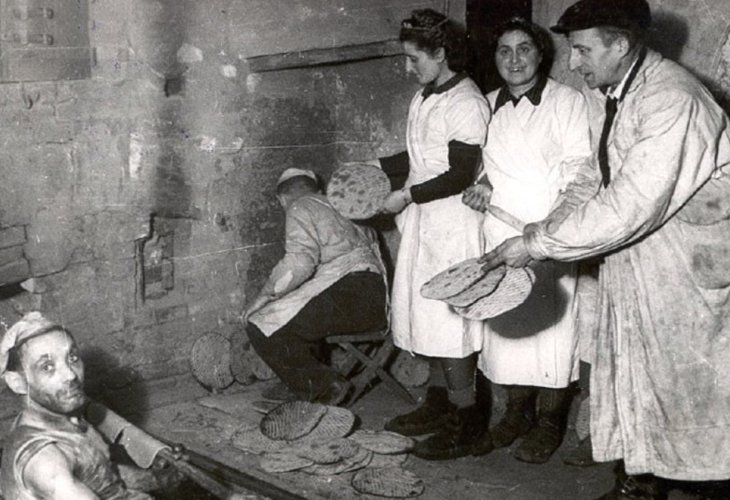
In the previous collection, we saw photographs of Passover celebrations across Jewish Europe before the Holocaust, moments of family, tradition, and community that were part of everyday Jewish life.
The images in this collection tell a very different story.
Taken during the years of World War II, these rare photographs from Yad Vashem show how Jews struggled to observe Passover in the midst of persecution, displacement, and war. In ghettos, refugee shelters, hospitals, internment camps, and even on distant battlefields, Jews continued to gather for the Seder and prepare matzah.
Even when their freedom was stripped away, the story of the Exodus from Egypt remained a source of hope.
At a time when Israel is once again living through war and uncertainty, these images serve as a powerful reminder. Throughout history, the Jewish people have held tightly to their traditions even in the most difficult circumstances. Passover, the holiday that celebrates redemption, has always carried a message that darkness is never the end of the story.
Keeping Passover in Wartime Europe
)
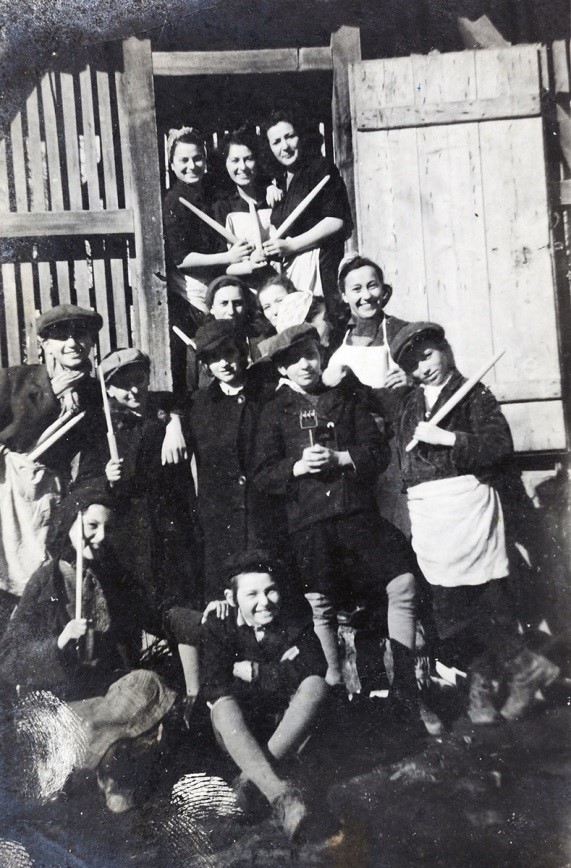 Baking matzah in Makó, Hungary, on Passover eve, 5704 (1944)
Even as the war intensified across Europe, Jewish families continued to prepare for Passover, baking matzah together despite the growing dangers around them.
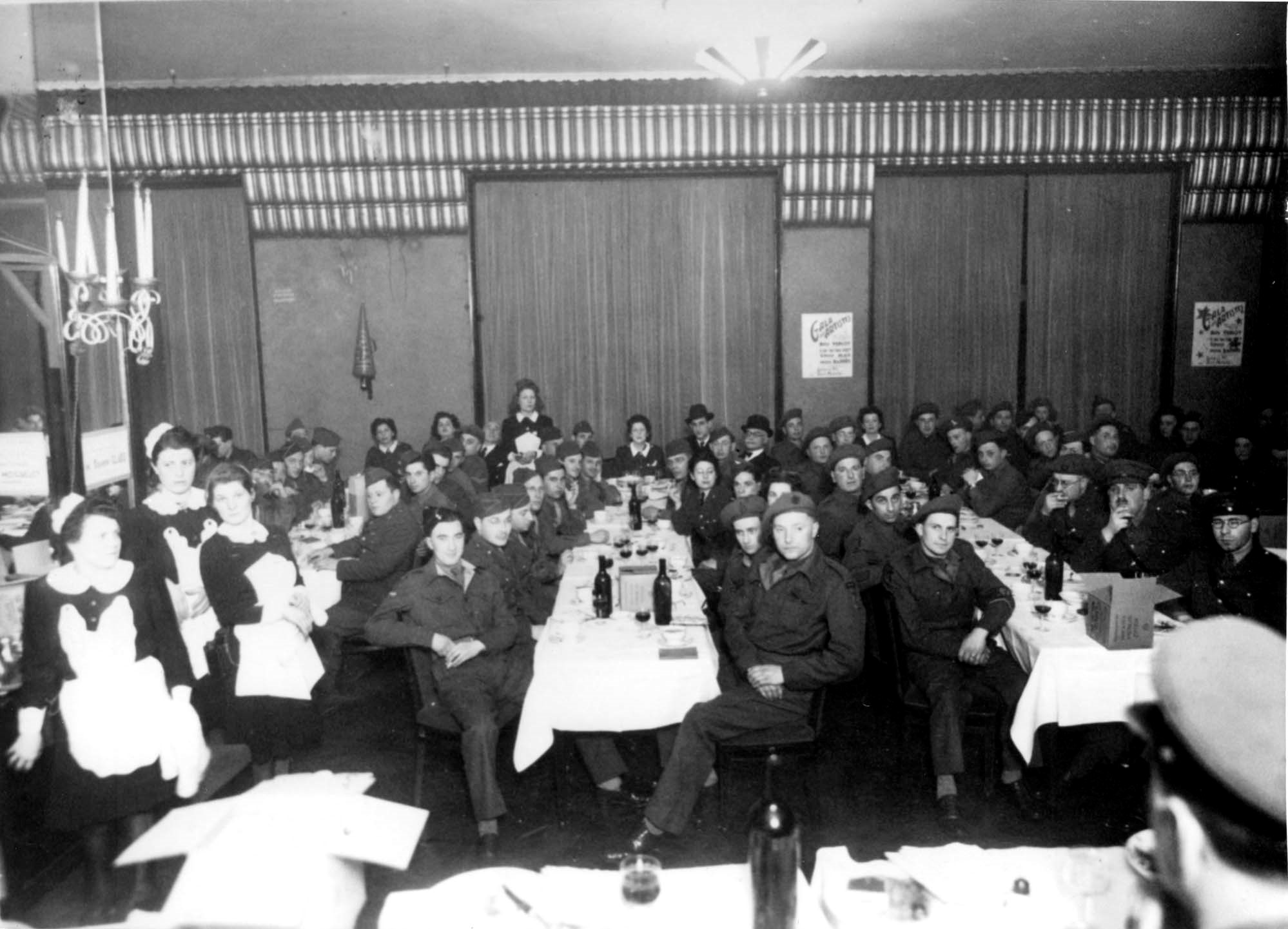 Passover Seder for Allied soldiers in a department store in Belgium, March 25, 1945
Jewish soldiers serving in the Allied armies also found ways to celebrate Passover, gathering together for Seders even while stationed far from home.
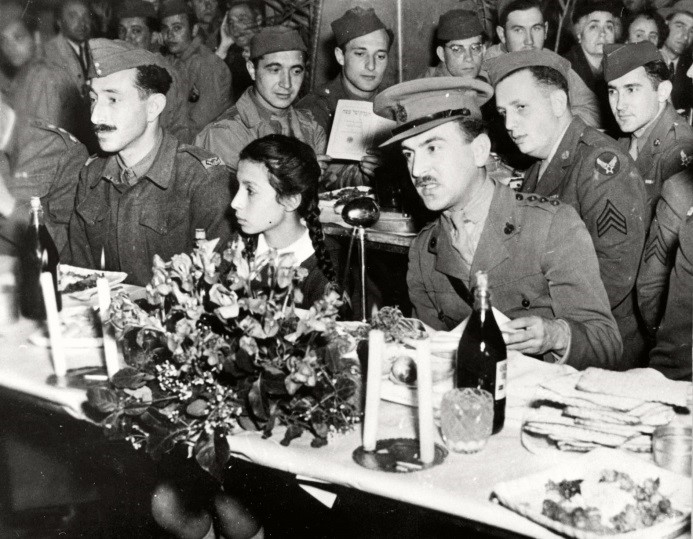 Passover Seder held by Jewish soldiers in the Allied armies
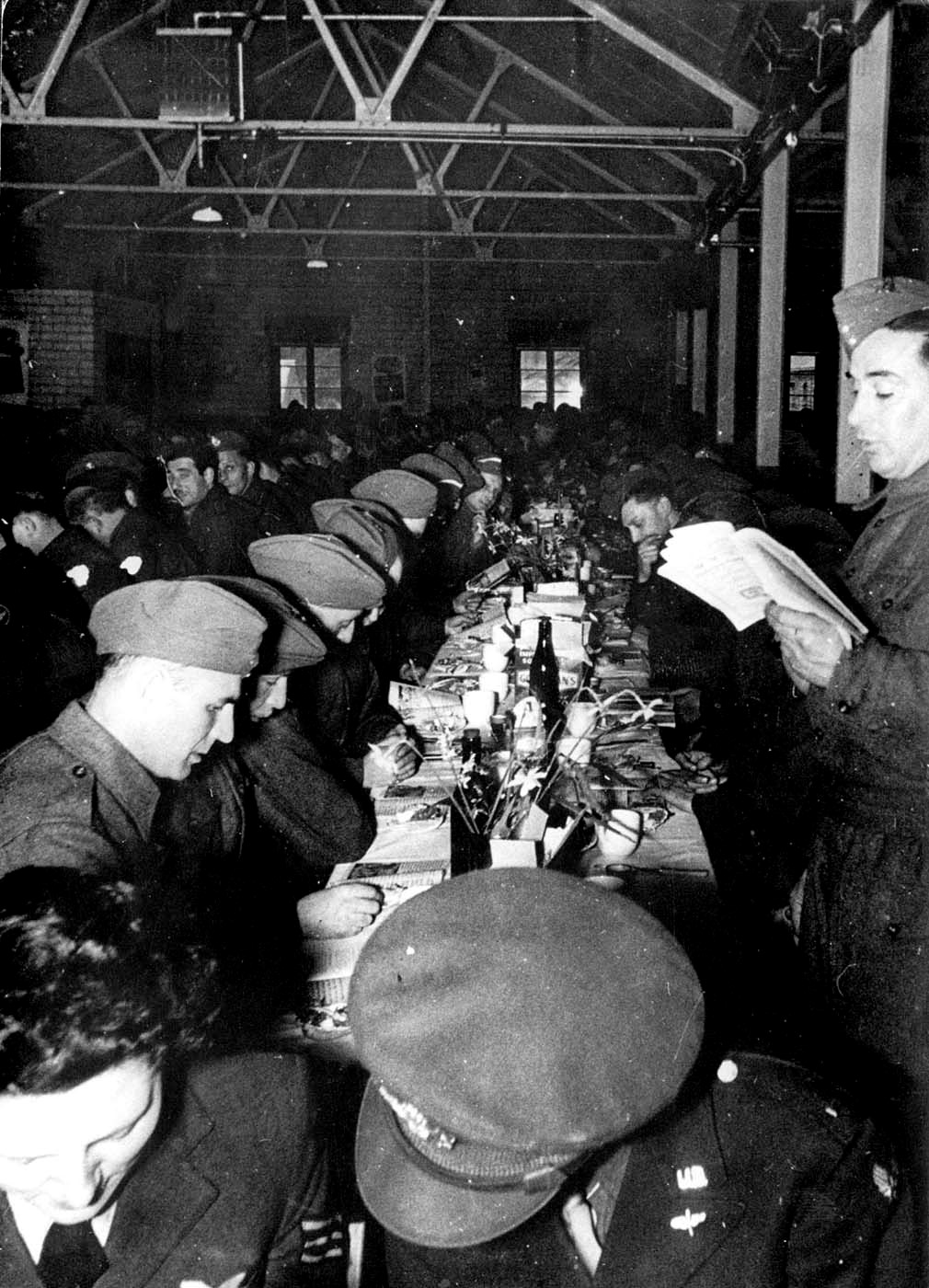 Passover Seder held by Jewish soldiers in the Allied armies
For these soldiers, the story of freedom told on Passover carried an especially powerful meaning as they fought against Nazi tyranny.
Passover in the Ghettos
Many of the most moving photographs come from the ghettos established by the Nazis, where Jews struggled daily for survival.
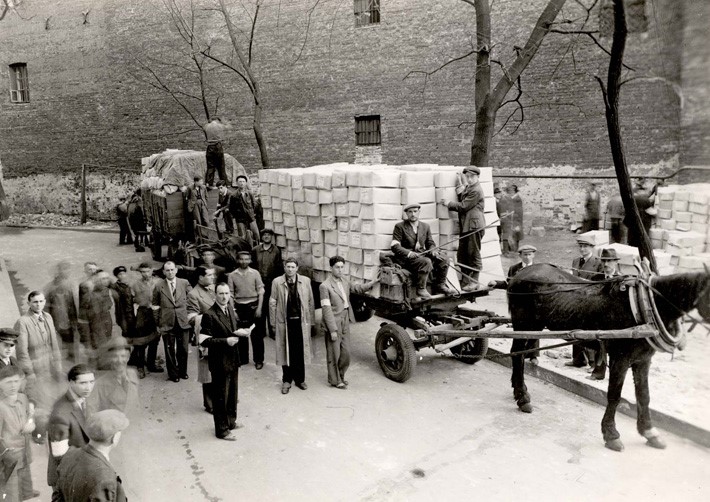 Distribution of matzah by the YSS organization in Warsaw during Passover, 1940
Even under severe restrictions, Jewish organizations worked to ensure that families could obtain matzah for the holiday.
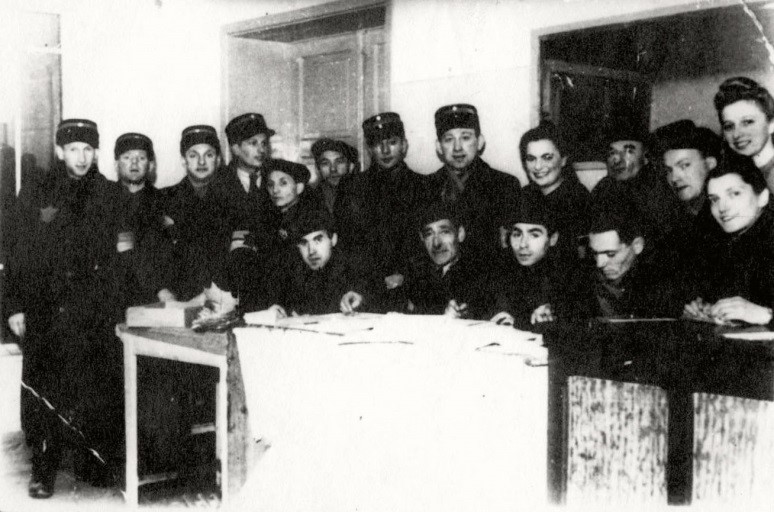 Distribution of matzah in the Łódź Ghetto, Poland, 1941
Despite starvation and oppression, people continued to preserve the traditions of the holiday.
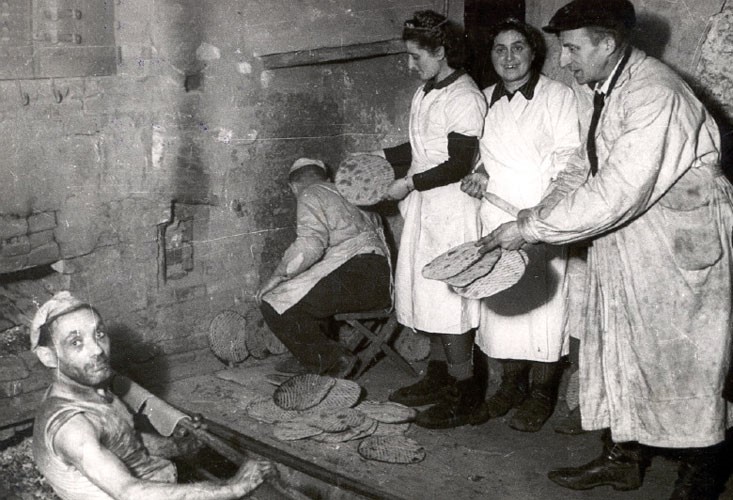 Baking matzah in secret in the Łódź Ghetto, Poland, 1943
In some places, matzah had to be baked secretly, as religious practices were often restricted or dangerous.
Seders in Shelters and Hospitals
Jewish communities created makeshift Seders wherever they could.
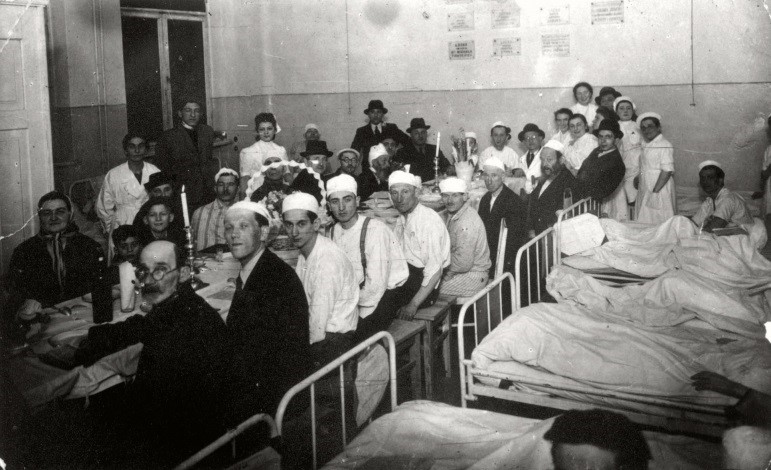 Passover Seder in a hospital in Sosnowiec, Poland, 1941
Even those who were sick or injured found comfort in gathering for the Seder.
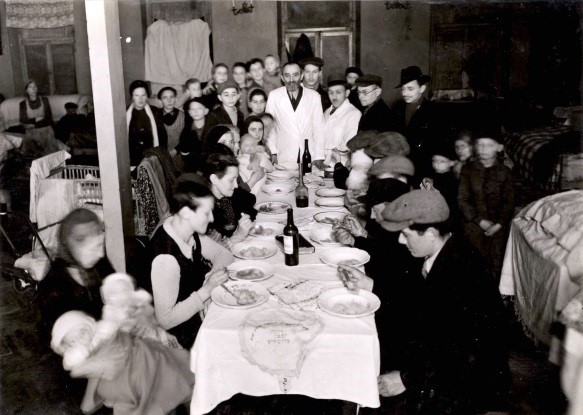 Passover Seder at the refugee shelter at 7 Dzielna Street in the Warsaw Ghetto
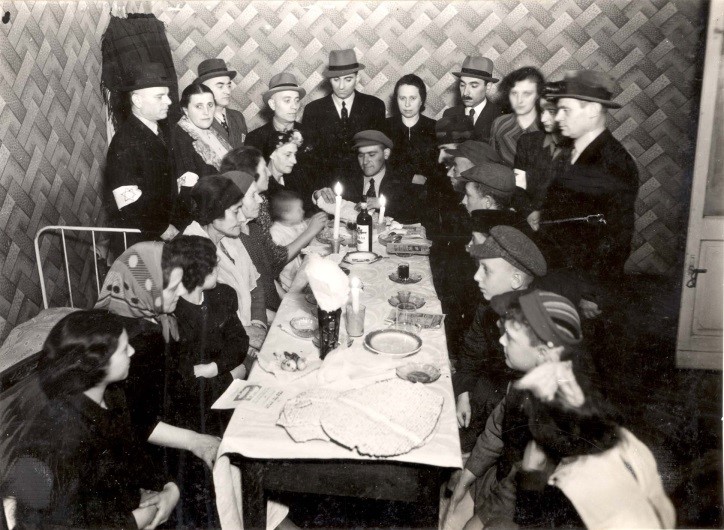 Passover Seder in the refugee shelter at 6 Leszno Street in the Warsaw Ghetto
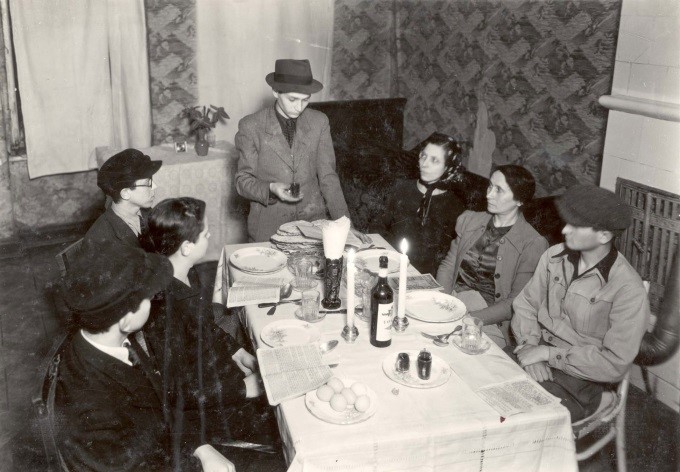 A man recites a blessing over a cup of wine at a Passover Seder in the Warsaw Ghetto
In crowded shelters filled with refugees, Jews still recited the Haggadah and remembered the story of redemption.
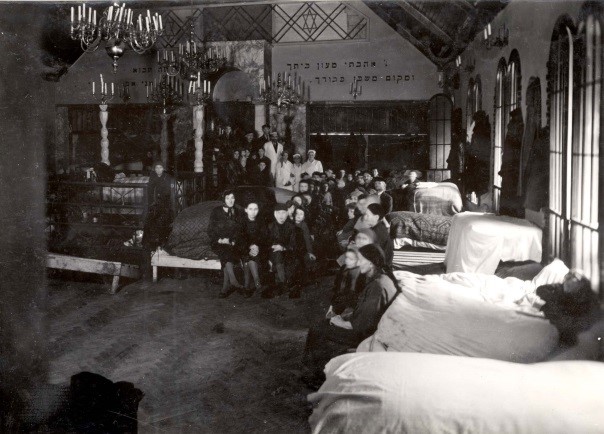 Passover Seder at the refugee shelter at 7 Dzielna Street in the Warsaw Ghetto
Passover in Camps and in Exile
Even in internment camps and exile, Passover was observed.
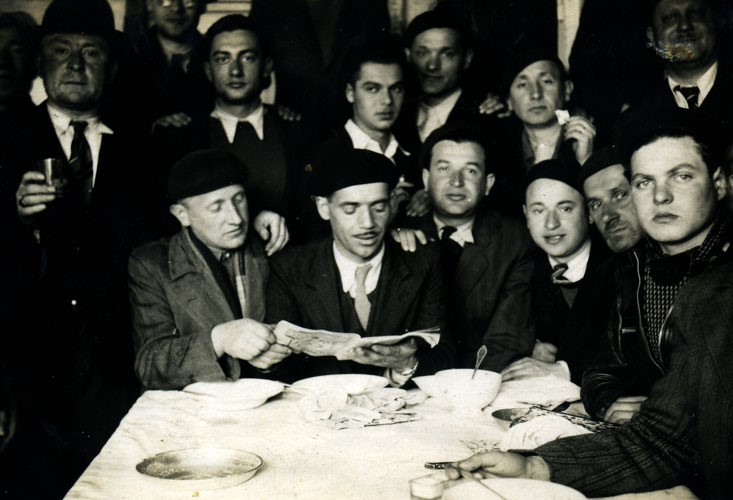 Passover at the Pithiviers internment camp, France, 1942
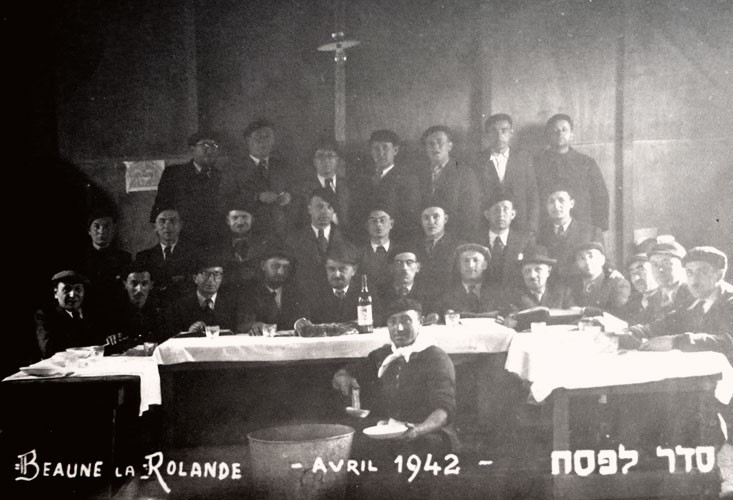 Passover at the Beaune la Rolande camp, France
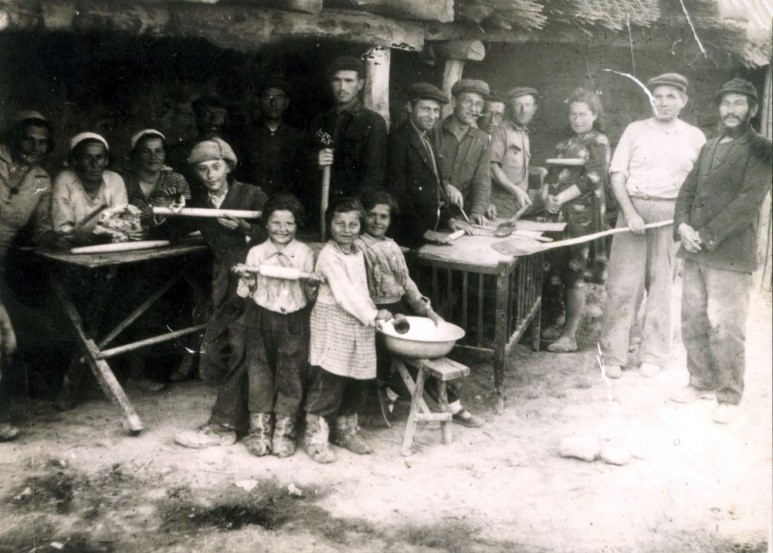 Soviet Union, 1943. Jews who fled from Poland to Russia bake matzah for Passover
Even far from their homes, Jewish refugees continued to prepare matzah and celebrate the holiday.
Preserving Jewish Faith
Looking at these photographs today is deeply moving. They show people who were living through one of the most tragic periods in Jewish history, yet still chose to gather around the Seder table, bake matzah, and retell the story of freedom.
Many of the people in these images would later face unimaginable suffering. Yet their determination to preserve Jewish life and tradition ensured that the story of the Jewish people did not end with them.
Today, as Israel once again faces war and Jewish communities around the world pray for peace and safety, these images remind us of something powerful. The Jewish people have endured many hardships, but the chain of tradition has never been broken.
Each Passover, when families sit around the Seder table and tell the story of the Exodus, they continue the same tradition that Jews kept alive even in ghettos, camps, and battlefields. The voices in these photographs may be silent, but the story they preserved continues to live on.

