

Shabbat
Melaveh Malkah: The Saturday Night Meal That Accompanies the Shabbat Queen
Why Jews accompany Shabbat with a fourth meal, and the blessings associated with it
- Tzuriel Gvizon
- | Updated
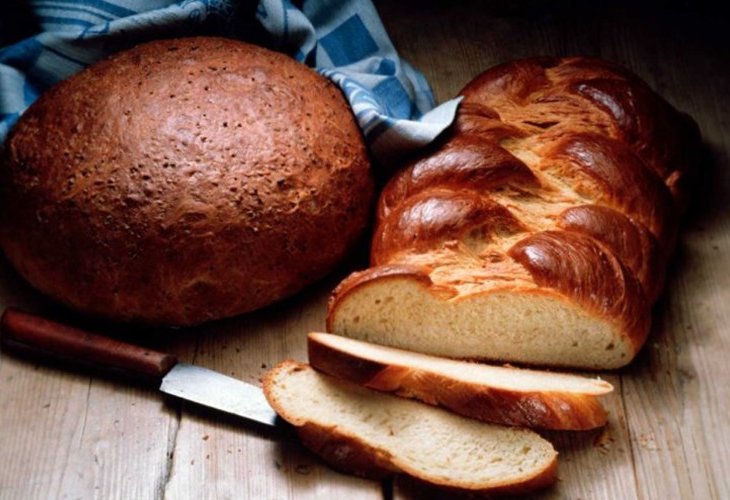
Melaveh Malkah is a meal held on Saturday night, after Shabbat ends. Through this meal, we accompany the departing “Shabbat Queen” with food and song, just as one would escort a king or queen as they leave a city.
This meal is also called “Seudata d’David Malka” — the Meal of King David. According to tradition, King David once asked to know the day of his death, and it was revealed to him that he would die on a Shabbat. From that time on, every Saturday night David would hold a meal with his household to thank God that he had survived another Shabbat.
The great halachic authorities debated how elaborate this meal should be. Some ruled that it is sufficient to eat pastries or cakes, while others — including the Vilna Gaon, wrote that one should eat bread, since it is considered a proper meal.
The Connection to Eliyahu the Prophet
It is customary to sing special hymns during the Melaveh Malkah meal that are connected to Eliyahu HaNavi.
According to a Midrash, every Saturday night Eliyahu sits and records the merits of the Jewish people. Because of this, many traditional songs about Eliyahu are sung during this meal.
The Source of the Custom
The source of this custom appears in the Talmud: “A person should always set his table on Saturday night, even if he needs only a small amount of food.”
In other words, even if one is already full from the Shabbat meals, it is still appropriate to prepare and eat something in honor of the departing Shabbat.
The Mysterious “Luz Bone”
Another famous teaching relates to the luz bone, a bone located at the base of the skull or spine.
According to Jewish tradition, this bone can never be destroyed, and from it the body will be rebuilt at the time of the resurrection of the dead. It is said that this bone is nourished only by the Melaveh Malkah meal.
Some sources explain that because the luz bone is sustained only from food eaten after Shabbat, it did not benefit from the Tree of Knowledge in the Garden of Eden. Therefore, the decree of death did not apply to it.
The Extra Soul of Shabbat
In the name of the Arizal, it is taught that the neshama yeteirah — the extra soul that accompanies a person on Shabbat, does not fully depart until after the Melaveh Malkah meal.
For this reason, many people avoid beginning weekday work or changing out of their Shabbat clothing until after the meal has been eaten.
Preparing a Special Dish
Those who wish to perform the mitzvah in the most beautiful way, prepare a special dish specifically for Melaveh Malkah.
The Talmud tells a story about the household of Rabbi Abbahu. Every Saturday night they would slaughter a calf, and Rabbi Abbahu would eat one kidney from it. When his son grew older, he asked why they needed to slaughter a new calf every Saturday night. Instead, they could simply save a kidney from the calf prepared for Shabbat.
They followed his advice and set aside meat from the Friday preparation. However, a lion later came and took the calf that had been intended for the Saturday night meal, and they ended up gaining nothing.
From this story the sages derived that it is better to prepare a special dish specifically for Melaveh Malkah, rather than relying on leftovers from Shabbat.
Blessings and Spiritual Benefits
Many praises and spiritual benefits are associated with this meal.
The Talmud states that a hot drink and warm bread on Saturday night are considered healing remedies.
The Chida wrote that the fourth meal after Havdalah is an extraordinary spiritual act and can even protect a person from suffering after death.
Rabbi Elimelech of Lizhensk added that there is a special blessing for women: if a woman eats something on Saturday night specifically for the mitzvah of Melaveh Malkah and verbally states that it is for this purpose, it is considered a spiritual merit that she should have an easier childbirth, with God’s help.

