

Depression and Anxiety
When Anxiety Feels Like a Heart Attack: The Hidden Reality of Panic Attacks
Whyy panic symptoms feel so frightening, what they really mean, and how therapy can help restore emotional balance
- Anat Doron
- | Updated
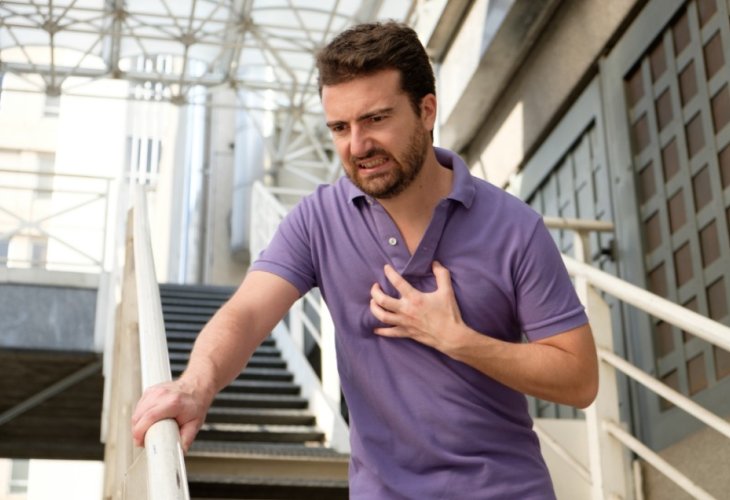 (Photo: Shutterstock)
Following our previous article, let us return to Reut’s story.
When Reut met her therapist, Michal, for the first time, they began with an introductory conversation. The two quickly felt comfortable in each other’s presence and decided to continue meeting. Reut felt that she could trust Michal — both personally and professionally.
At their second meeting, they made an informal agreement. Michal promised that she would not abandon Reut as long as she needed support and would not ask her to do anything she was unable to do. They agreed to speak openly about everything. Reut, for her part, committed to fully engaging in the therapeutic process and working together with Michal until she regained her strength and sense of stability.
Mapping the Sources of Anxiety
During their sessions, Michal and Reut began identifying the challenges Reut was experiencing and the emotions connected to each of them. Reut described her fears in detail, including where her anxiety affected her life and what she feared might happen during a panic attack. These fears touched many areas of her life: work, family relationships, her marriage, and more.
Together, they discussed practical strategies for coping if Reut were to experience anxiety at work or in other uncomfortable environments. Gradually, Reut began to understand that the chances of an attack occurring were not as high as she feared — and that even if it did happen, there were ways to manage it.
Michal made space for every emotion Reut expressed. Together they explored why Reut felt the way she did and how she hoped to feel in the future.
Throughout the process, Reut worked through each issue separately. She allowed her emotions to surface, sometimes intensifying them in order to examine them closely, and then gradually learning how to reduce their intensity.
Reut and Michal also set clear therapeutic goals. Step by step, they worked on changing Reut’s patterns of thinking and emotional responses until progress toward those goals became visible.
Understanding the Physical Symptoms of Anxiety
Next, they analyzed the physical sensations Reut experienced and what they actually meant. (It is important to remember that this analysis came only after Reut had been examined by a physician and all medical tests had come back normal.)
1. Rapid Heartbeat
When Reut felt her heart racing, she immediately assumed she was having a heart attack, which terrified her. In reality, however, a healthy heart can beat as fast as 200 beats per minute for extended periods — even weeks, without being harmed.
2. Weakness and Dizziness
The dizziness and weakness made Reut feel as if she might faint, but she never actually lost consciousness. The sensation of fainting occurs when there is a temporary decrease in blood and oxygen supply to the brain, yet it rarely results in actual fainting.
When Reut felt dizzy, her immediate thought was that she might collapse. In truth, the dizziness was caused by breathing too quickly, which temporarily reduces the flow of oxygenated blood to the brain. While the sensation can feel frightening, it is not dangerous. Even during intense anxiety, losing balance is extremely rare.
3. Shortness of Breath
Reut’s difficulty breathing also led her to believe she was having a heart attack. In fact, the sensation was caused by tension. Stress can cause the muscles in the chest and abdomen to tighten, creating pressure or discomfort in the chest. This can lead a person to breathe too quickly, which increases the feeling of pressure and anxiety.
4. Hot Flashes
All of these sensations also triggered waves of heat. When people experience hot flashes, they often assume that an anxiety attack is about to occur. In reality, these sensations can result from increased oxygen intake or rapid changes in blood circulation. They do not cause anxiety by themselves — unless the person interprets them as a sign that something alarming is happening.
5. Feeling Detached
Reut also felt moments in which she seemed disconnected from her surroundings, as if she were not fully present. This frightened her, and she worried that she was losing control. In reality, this feeling was again related to rapid breathing and temporary changes in oxygen supply to the brain. The sensation is temporary and does not lead to loss of control or loss of sanity.
Learning to Breathe and Regain Control
One of the most important tools for managing anxiety is learning how to breathe correctly. Many people breathe in a shallow way without fully emptying their lungs. This can contribute to feelings of breathlessness or suffocation.
During periods of stress, breathing often becomes rapid and shallow, which can intensify the physical sensations described above and potentially trigger a panic attack.
By learning to slow down and deepen her breathing, Reut gradually gained greater control over her body’s stress responses.
Anat Doron is a psychotherapist and therapist in the “Nafshi B’She’elati” emotional support department.

