

Behind the News
Trump Says Iran ‘Not Ready’ for Deal as Israel Prepares for Another Month
On day 17 of the war, Trump says Tehran “needs more pounding,” while Israeli officials estimate the campaign could continue for weeks
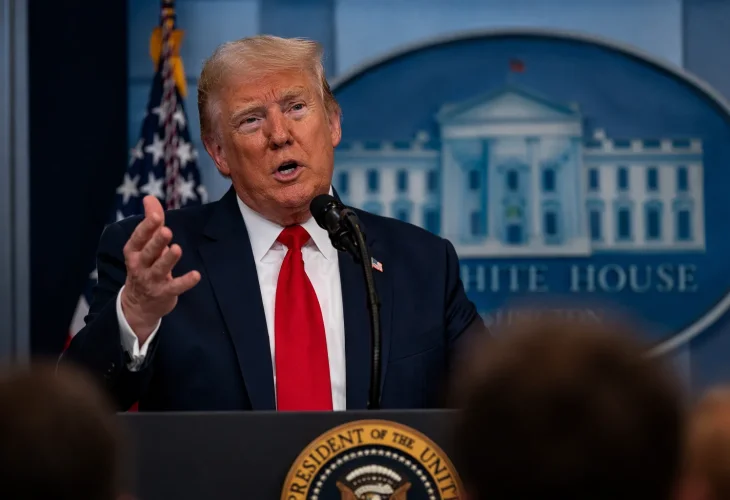
US President Donald Trump said Monday that Iran may be seeking negotiations but “is not ready yet,” as Israeli officials simultaneously warned that the war with Iran could continue for at least another month.
Speaking during a press conference at the White House on Monday, Trump suggested that some Iranian officials have attempted to open communication channels with Washington but insisted the military campaign must continue for now. “They want to make a deal. They’re talking to our people. I don’t know if they’re ready yet. They’re taking a pounding,” Trump told reporters.
During his remarks Monday, Trump also suggested that leadership turmoil in Tehran has complicated any potential negotiations. “We don’t even know who their leaders are because the first group was all dead and the second group got knocked out,” he said. “But we met with the next group, but we don’t know who their leader is.”
Trump added that he believes Iranian officials still require additional military pressure before negotiations could begin. “I don’t think they’re ready yet. They need more pounding,” he said.
Israeli officials, meanwhile, indicated that Israel is preparing for an extended phase of the war. Channel 12 reported Monday evening that a senior Israeli official believes the fighting could continue for at least another month as Israel seeks to further weaken Iran’s military capabilities and exploit what officials describe as signs of instability within the regime’s leadership.
The report said Israel views the coming weeks as an opportunity to deepen pressure on Tehran while the Iranian command structure appears increasingly strained by sustained Israeli and American strikes.
Other reports in Israeli media have indicated that messages may have been passed in recent days between US officials and Iranian Foreign Minister Abbas Araghchi. Channel 12 reported that US special envoy Steve Witkoff has continued communicating with Araghchi through indirect channels, although it noted that Trump may have been using the terms “met” and “negotiate” loosely. Araghchi has publicly denied that Iran is seeking negotiations or a ceasefire.
Israeli officials also believe operations connected to the Strait of Hormuz could contribute to the extended timeline. Trump said Monday that the United States has already severely degraded Iran’s naval capabilities and is urging allies whose economies rely heavily on the strait to help secure the vital shipping route.
“We destroyed all 30 of their ships. They’re all at the bottom of the sea,” Trump said, referring to Iranian vessels that US forces believe were capable of laying naval mines.
The president warned that any attempt by Iran to disrupt shipping through the strait would be a serious escalation. “It would be a very negative step for them if they did that,” he said.
While Trump acknowledged that communication channels may exist with Iranian figures, he also made clear that Washington has not yet accepted any proposal to halt the fighting. According to Israeli media reports Monday, the United States recently rejected another Iranian attempt to open negotiations. Washington reportedly told Tehran that any talks would require Iran to first accept several conditions, including surrendering enriched uranium, shutting down its nuclear enrichment facilities, halting its ballistic missile program, and ending support for regional terror organizations.
Those demands reflect what US and Israeli officials describe as the core objectives of the war: eliminating Iran’s nuclear threat and dismantling the military infrastructure that has enabled Tehran to project power across the region.
Trump also dismissed speculation that Israel might escalate to nuclear weapons during the conflict. “Israel will never do that,” he said when asked about the possibility.
For now, Israeli and American officials say the military campaign will continue while they assess whether Iran’s leadership is prepared to accept the conditions being set by Washington. With Israeli officials warning that the conflict could last weeks longer and negotiations still uncertain, the war now appears poised to enter a prolonged phase rather than approaching an immediate diplomatic resolution.

