

Focus and Concentration
Parenting a Child with Self-Regulation Difficulties: A Guide
Raising a child with self regulation difficulties can feel overwhelming. Learn practical tools to support your child while building patience, confidence, and connection.
- Rabbi Aharon Lerner
- | Updated
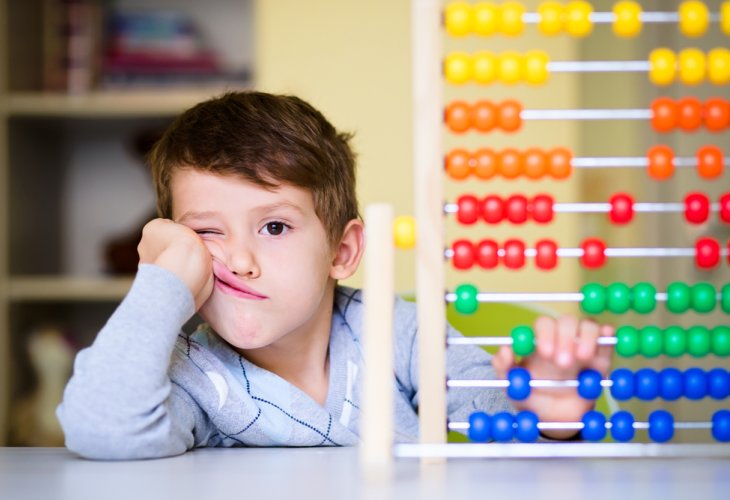 (Photo: shutterstock)
Parents of a child with self-regulation difficulties face a unique and demanding challenge. It is not just about discipline or education. It requires patience, awareness, and ongoing emotional strength.
At times, it may seem like the child does not respond at all. Requests are ignored. Instructions are repeated again and again. Many parents find themselves saying, “How many times do I have to tell you?” But the truth is, the child often does not know either.
When It Feels Like Disobedience
From the outside, the child may appear indifferent or even defiant. This is especially difficult when it touches on values that are important to parents, such as responsibility, respect, and proper behavior.
At the same time, the child’s impulsivity and constant need for stimulation can bring them dangerously close to risky situations. Climbing, running, acting without thinking. Parents live in a constant state of alertness, fearing that something could go wrong at any moment.
This ongoing tension is exhausting.
Interestingly, while the parents feel anxious and overwhelmed, the child often feels more secure. A person can feel in control even when acting recklessly, much like a driver who feels confident while others in the car feel afraid.
The Emotional Toll on Parents
Over time, painful thoughts may arise.
“It’s hard for me to look at him. He proves I’m a bad parent.”
“I don’t even feel love toward my child right now.”
These thoughts are difficult to admit, but they are more common than many parents realize.
When thinking about the future, fear often takes over. Parents imagine worst case scenarios, and the pressure builds into frustration and anger directed at the child.
External reactions do not help. Comments from others can deepen feelings of guilt, shame, and confusion.
Within the home, disagreements between parents may grow. Each may have a different idea of how to respond, which increases tension and uncertainty. The result is a deep sense of helplessness.
Letting Go of the Perfect Child
One of the hardest steps for any parent is accepting that their child is not exactly as they imagined.
This does not mean giving up. It means releasing the expectation of a perfect or “ideal” child and embracing the child as they are.
Parenting a child with self-regulation difficulties is not a short term challenge. It is an ongoing role that touches every part of life.
The Power of Personal Example
One of the most powerful tools parents have is their own behavior.
Every child learns from what they see. For a child with self-regulation difficulties, this becomes even more important.
When a child observes a parent dealing with challenges calmly, patiently, and with awareness, they gain tools they can later apply themselves.
However, the example must be realistic.
If the gap between the parent’s behavior and the child’s ability is too large, the child may feel discouraged or ashamed. Instead of learning, they may withdraw.
A helpful example shows effort, not perfection.
When a parent demonstrates struggle, persistence, and growth, the child learns that challenges are part of life and can be faced without giving up.
Messages Children Learn from Their Parents
Accepting Reality
A child’s ability to accept their own challenges depends heavily on how their parents relate to them.
If parents accept the situation calmly and honestly, the child absorbs that message. If parents deny or resist reality, the child will struggle to accept themselves.
Acceptance does not mean giving up. It means seeing clearly and moving forward wisely.
Learning from Failure
Parents will make mistakes. This is part of the process.
What matters is how they respond to those mistakes.
When a parent acknowledges an error and continues forward without despair, they teach the child that failure is not the end. It is part of growth.
This is especially important for a child who often feels they are failing despite their efforts.
Combining Firmness and Warmth
Children need both boundaries and emotional connection.
When a parent responds calmly but firmly, they show that it is possible to hold limits while still being understanding.
For example, a parent can say, “This behavior is not acceptable,” while also acknowledging the child’s feelings, “I understand you were hurt.”
This teaches the child to recognize both their emotions and their responsibility.
Listening with Patience
When parents truly listen, children learn to listen as well.
It is especially important to give attention during calm moments, not only during conflict. This builds trust and strengthens the connection.
Naming Emotions
Children with self-regulation difficulties often experience overwhelming emotions.
When parents talk about feelings openly, children learn to identify and express what they feel.
Awareness reduces intensity. When a child can name their emotion, they are more likely to manage it.
But this learning happens through example. If parents cannot express emotions in a balanced way, it will be difficult for the child to do so.
Avoiding Physical Reactions
Physical punishment or force teaches the child that power and aggression are acceptable ways to respond.
Instead, firm and clear verbal boundaries help the child develop self control.
When a child learns to regulate themselves without force, they build true internal strength and independence.
Final Thought
Parenting a child with self-regulation difficulties is a demanding journey, but it is also a meaningful one.
The way parents respond, cope, and grow becomes the foundation upon which the child builds their own emotional world.
Progress may be slow, but every small step matters.

