

Wonders of Creation
Imprinting in Animals: How Birds and Turtles Know Where to Go
How do animals know where they belong? Learn how imprinting shapes behavior and guides animals throughout their lives.
- Debbie Reichman
- | Updated
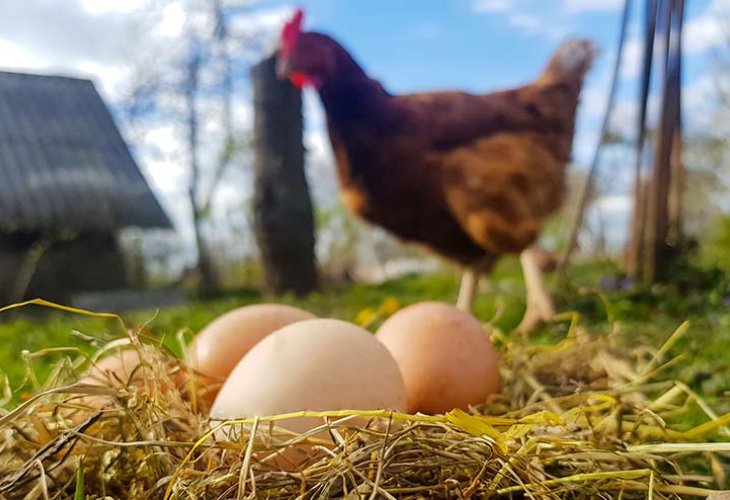 (Photo: Shutterstock)
When an animal is born, it usually recognizes its mother right away. She is the one who gave birth to it and, in most cases, provides food, warmth, and protection. This natural bond helps the young animal survive in its early stages of life.
But in some species, especially among birds, a fascinating phenomenon takes place, one that reveals just how powerful early experiences can be.
What Is Imprinting?
Imprinting is a special type of early learning that occurs shortly after birth.
A newly hatched chick quickly identifies the first moving figure it sees as its “mother.” This happens within a very short window of time and becomes deeply ingrained.
What makes this phenomenon so remarkable is that the figure does not have to be the chick’s real mother.
If the mother is not present, the chick may imprint on another animal, a human caregiver, or even an inanimate object.
A Surprising Discovery
The scientist Konrad Lorenz, who studied this phenomenon in greylag geese, demonstrated just how powerful imprinting can be.
He found that young geese could imprint on him as if he were their parent. Even more surprising, they could imprint on objects that were not alive at all, such as a simple yellow road sign.
Once imprinting occurs, the chick shows clear preference and attachment to that figure. It will follow it, stay close to it, and relate to it as its parent throughout its life.
A Different Kind of Imprinting
Imprinting is not limited to birds.
Sea turtles display a different but equally fascinating form of imprinting.
Female sea turtles lay their eggs on sandy beaches and then return to the ocean. When the hatchlings emerge, they imprint on the beach where they were born.
Returning Home After Years
After hatching, the young turtles make their way to the sea and spend years traveling across vast distances.
Yet, after about 20 years, the surviving females return to the exact same beach where they were born to lay their own eggs.
This remarkable ability shows how deeply early experiences can shape behavior, even across decades.
A Deeper Reflection
Imprinting in nature reveals a powerful truth: the earliest moments of life can leave a lasting mark.
Whether it is a chick following the first figure it sees or a sea turtle returning home after decades, these patterns remind us of the profound influence of beginnings.

