

Naturopathy and Natural Medicine
Lycopene Benefits: Why Tomatoes Are So Good for Your Health
Discover how this powerful antioxidant supports heart health, protects your skin, and fights cell damage
- Zohara Sharvit
- | Updated
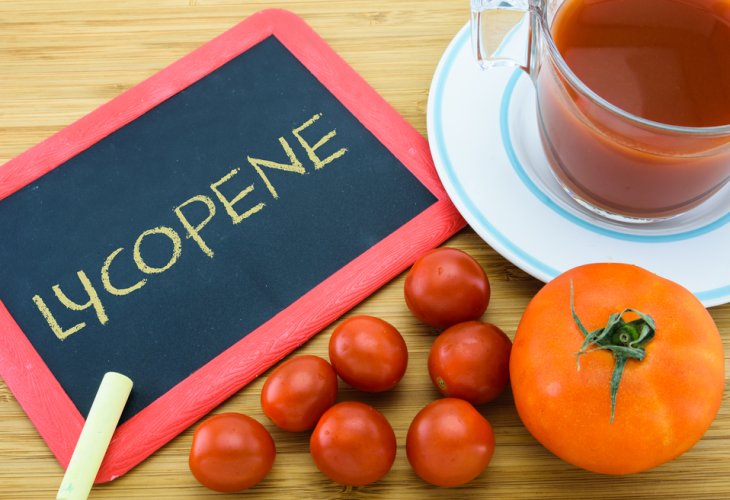 (Photo: shutterstock)
Lycopene is a carotenoid, a natural pigment that gives fruits and vegetables their red color. It acts as a powerful antioxidant, helping neutralize free radicals that damage healthy cells, harm genetic material, and contribute to disease and accelerated aging.
Why Your Body Needs Lycopene
Lycopene is found in the blood plasma and tissues of the body. However, the human body cannot produce lycopene on its own, which means it must be obtained through food.
It is found primarily in red-colored foods, including:
Tomatoes (the primary source in most diets)
Watermelon
Pink grapefruit
Red peppers
Papaya
Interestingly, even some leafy green vegetables contain lycopene despite their green color.
Cooking Improves Lycopene Absorption
Unlike many nutrients, lycopene is not damaged by cooking. In fact, heating tomatoes breaks down their cell structure, making lycopene more available for absorption.
Lycopene is fat-soluble, not water-soluble. This means it is best absorbed when eaten together with healthy fats such as olive oil and nuts.
For example, tomato sauce with olive oil is actually more beneficial than raw tomatoes alone.
Where Is Lycopene Found in Tomatoes?
About 90% of the red color in ripe tomatoes comes from lycopene, and a large portion of it is found in the skin.
For this reason, it is recommended not to peel tomatoes. Instead, soak them briefly in water and wash them well before use.
Health Benefits of Lycopene
Scientific studies suggest that lycopene consumption is linked to:
Reduced risk of certain cancers
Protection against cataracts
Lower risk of heart and blood vessel diseases
As a strong antioxidant, lycopene may also:
Help reduce cholesterol and blood lipids
Protect the skin from sun damage
What About Sensitivity to Tomatoes?
In recent years, there are those who avoid tomatoes because they belong to the nightshade family.
These plants contain solanine, a natural compound that protects them from insects. A small number of people, especially those with joint inflammation, may be sensitive to it.
In such cases, it may help to avoid foods containing solanine, such as potatoes, peppers, eggplant, and tomatoes, for two to three weeks and observe whether symptoms improve.
The good news is:
The riper the tomato, the lower the solanine content
Cooking significantly reduces solanine levels
Processed Tomato Products
Tomato paste and other processed tomato products often contain:
Added sugar
Preservatives
Other additives
It is important to read labels and choose products carefully.
As a rule, try to include at least one lycopene-rich food each day as part of a balanced and healthy diet.

