

Naturopathy and Natural Medicine
The Truth About Sugar: Effects on Your Body and Mind
How refined sugar impacts energy, mood, and health — and how to break the cycle naturally
- Zohara Sharvit
- | Updated
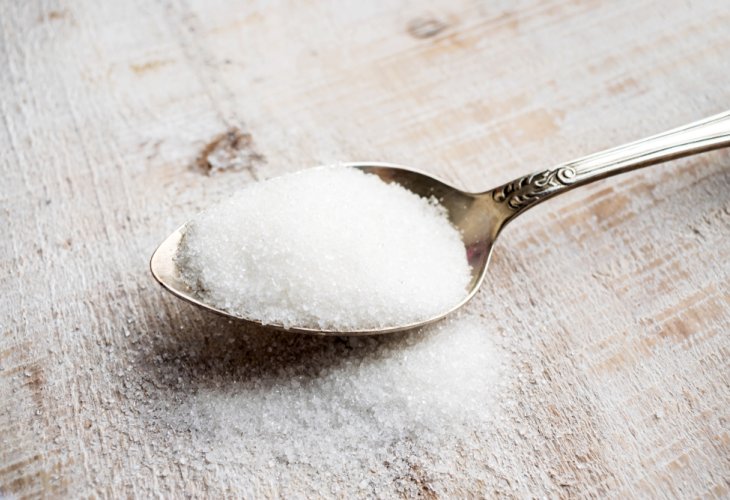 (Image: shutterstock)
We naturally love sweet foods. Sugar is a simple carbohydrate that exists naturally in foods such as legumes, grains, vegetables, and fruits.
In its unprocessed form, sugar comes packaged with vitamins, minerals, enzymes, and proteins. These natural carbohydrates break down gradually and enter the bloodstream smoothly, allowing the body to absorb beneficial nutrients.
Natural Sugar vs. Refined Sugar
Refined table sugar, also known as sucrose, is very different from natural sugar.
It is produced from sugarcane or sugar beets and contains no vitamins, minerals, or dietary fiber. As a result, the body needs to work harder to process it.
Instead of nourishing the body, refined sugar can actually contribute to nutrient depletion. It enters the bloodstream quickly, causing a sharp spike in blood sugar levels. This can lead to:
Irritability and tension
Hyperactivity
This spike is followed by a crash, which may cause fatigue, low mood, and exhaustion.
Many people are aware that sugar affects blood sugar levels, but fewer realize how strongly it impacts emotions.
After consuming sugar, we may feel energized and uplifted. But soon after, there is often a sudden drop in energy, leaving us feeling drained and emotionally low.
Is Sugar Addictive?
Sugar is considered addictive, and even small amounts can trigger cravings for more.
When an individual suddenly reduces or stops sugar consumption, withdrawal symptoms may appear, including headaches and mood swings.
Hidden Sugar in Everyday Foods
Today, sugar is found in many foods — often hidden under different names such as:
Corn syrup
Dextrose
Maltose
Glucose
Fructose
Even foods marketed as “healthy” may contain sugar, including:
Granola or health bars
Canned vegetables
Tomato sauces
Breakfast cereals
Peanut butter
Bread
The Link to Modern Health Issues
One concerning trend is the rising number of people diagnosed with diabetes. This is especially troubling because, in many cases, the condition can be prevented through a healthier diet.
Without realizing it, many people fall into a harmful cycle:
Eating sugar
Experiencing a temporary energy boost
Crashing afterward
Craving more sugar to feel better again
A balanced diet can help break this pattern.
When we nourish the body with whole foods and the natural sweetness found in fruits and vegetables, we reduce the need for large amounts of added sugar to maintain energy levels.
Natural Alternatives to Sugar
Some natural sweeteners include:
Date syrup (silan)
Raw honey
Maple syrup
Molasses
However, these are not recommended for individuals with diabetes, for whom pure stevia is a better option.
Reducing refined sugar and choosing more natural, balanced foods can improve both physical health and emotional well-being. Small changes can make a big difference over time.

