

Naturopathy and Natural Medicine
Avocado Benefits: Why This Healthy Fat Is So Good for You
The powerful health benefits of healthy fats, fiber, and nutrients found in this superfood
- Zohara Sharvit
- | Updated
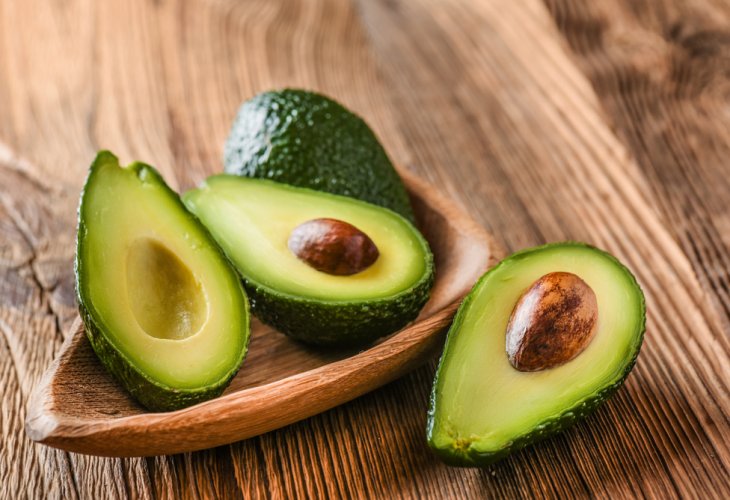 (Photo: shutterstock)
Avocado is a unique fruit. Unlike most fruits that are rich in sugar, avocado is composed primarily of healthy fats. The fats found in avocado are considered beneficial and can even support weight management.
Because avocado is so satisfying, it helps create a strong feeling of fullness, which may reduce overall food intake.
Mood, Energy, and Focus
Avocado can positively influence mood as it supports the production of serotonin, a hormone that promotes a sense of well-being and emotional balance.
It may also help reduce fatigue and improve concentration.
Rich in Essential Minerals
Avocado contains potassium, an important mineral that:
Supports proper function of cells and tissues
Helps regulate blood pressure
Prevents calcium loss
Reduces muscle cramps
It is also rich in magnesium, making it especially beneficial for athletes and for those who experience nighttime muscle cramps.
Heart and Liver Health
The healthy fats in avocado contribute to:
Lowering “bad” cholesterol (LDL)
Reducing triglycerides
Increasing “good” cholesterol (HDL)
These effects support both heart health and liver function, helping reduce the risk of cardiovascular disease.
Avocado contains soluble dietary fiber, which helps nourish beneficial gut bacteria. These bacteria play a key role in maintaining a healthy digestive system.
Better Nutrient Absorption
Some vitamins and nutrients found in plant foods are fat-soluble, meaning they are better absorbed when eaten with fat.
Adding avocado to a salad can significantly improve the absorption of vitamins and minerals from vegetables.
Eye Health Benefits
Avocado contains important nutrients such as lutein and zeaxanthin, which support eye health.
These antioxidants are associated with a reduced risk of cataracts and age-related macular degeneration.
How Much Avocado Should You Eat?
It is generally recommended to eat no more than half an avocado per day, ideally together with vegetables.
Those who do not consume animal products may include more avocado in their diet compared to those who regularly eat foods like eggs, dairy, and meat.
What About the Avocado Pit?
Some studies suggest that the avocado pit contains beneficial compounds, including:
Fiber
Plant sterols that may help lower cholesterol
Vitamin E
Anti-inflammatory properties
Compounds that support blood sugar balance
It may also contain substances that help fight fungi and digestive infections.
To consume the pit:
Carefully cut it into smaller pieces
Blend it well
Add it to fruit smoothies
It typically does not affect the flavor.
Avocado is a nutrient-dense food that supports many aspects of health, from heart function to digestion and mood.
When eaten in a balanced way, it can be a powerful addition to a healthy diet.

