

Naturopathy and Natural Medicine
The Silent Killer: What You Need to Know About High Blood Pressure
Discover early warning signs, hidden causes, and effective ways to protect your health
- Zohara Sharvit
- | Updated
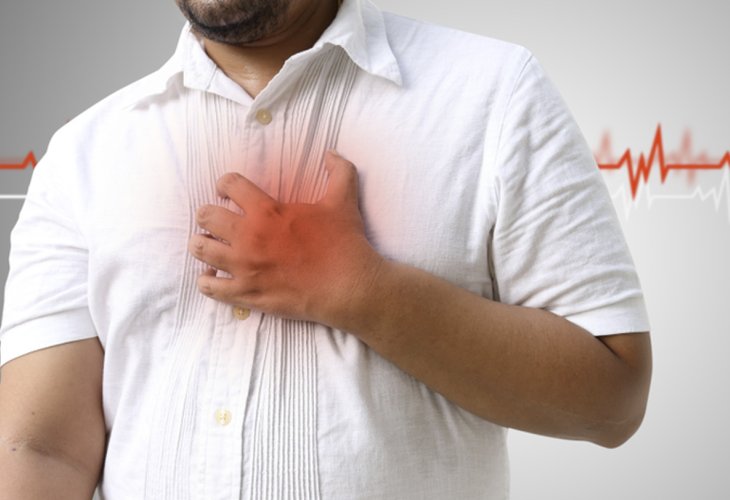 (Photo: shutterstock)
High blood pressure is a common chronic condition, often referred to as the “silent killer.” Many people are unaware they have it until a later stage because it usually develops without noticeable symptoms, especially in the beginning.
It is one of the leading risk factors for heart and cardiovascular diseases.
What Causes High Blood Pressure?
Several factors can contribute to elevated blood pressure, including:
Chronic stress and anger
Lack of physical activity
Poor nutrition
Genetic predisposition
While we cannot change genetics, we can influence how they are expressed through lifestyle and environmental factors.
The “White Coat” Effect
Some people experience a temporary spike in blood pressure during medical checkups, even if their usual levels are normal. This is known as “white coat syndrome.”
For accurate results, blood pressure should be measured after at least 10 minutes of rest.
Prevention and Early Intervention
When blood pressure is in the early stage, often called prehypertension, lifestyle changes can help prevent complications.
Even in chronic cases that require medication, improving lifestyle habits can significantly support better control.
How to Manage High Blood Pressure Naturally
Maintain a Healthy Weight
Even losing just one kilogram can have a positive effect on blood pressure.
Reduce Excess Salt
High salt intake affects about half of those prone to high blood pressure. Consider replacing regular table salt with alternatives like Atlantic sea salt or Himalayan salt, which offer a more balanced mineral profile.
Eat More Fruits and Vegetables
These foods contain bioflavonoids, powerful antioxidants that help protect blood vessel walls.
They are also rich in fiber, which supports weight management and reduces sodium absorption.
Increase Potassium Intake
Potassium helps balance sodium levels in the body. Good sources include:
Bananas
Citrus fruits
Tomatoes
Potatoes (with the skin)
Legumes
Add Magnesium-Rich Foods
Magnesium supports proper blood vessel function. It can be found in:
Leafy greens
Nuts
Lentils
Whole grains
Include Omega-3 Fatty Acids
Omega-3 supports healthy blood flow and circulation. Sources include:
Fish
Flaxseeds
Broccoli
Lifestyle Habits That Make a Difference
Get Enough Sleep
Quality sleep at the right hours is essential for regulating blood pressure.
Practice Deep Breathing
Slow, deep breathing exercises help relax the arteries and reduce overall blood pressure.
Stay Physically Active
Even moderate physical activity can significantly lower blood pressure. Exercise should be gradual, consistent, and suited to your fitness level.
Nutrition Matters Most
Diet plays a major role in controlling blood pressure. Try to reduce:
Saturated and hydrogenated fats
Refined sugar
White flour
Highly processed foods
High blood pressure may develop quietly, but with the right awareness and lifestyle choices, it can be managed, and often prevented.
Small, consistent changes can lead to meaningful improvements in long-term health.

