

Naturopathy and Natural Medicine
How to Reduce Bloating and Improve Digestion Naturally
Simple tips on food choices, preparation methods, and daily habits for a healthier gut
- Zohara Sharvit
- | Updated
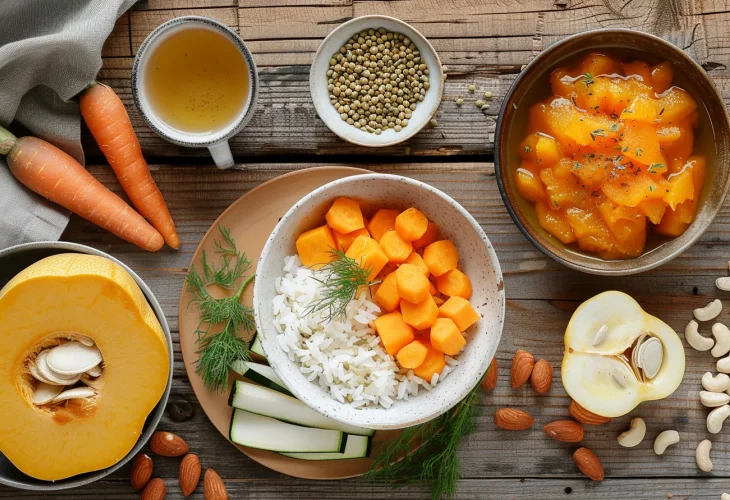
A bloated stomach and a heavy feeling of fullness are common after eating. For some people, this discomfort can last for hours, or even the entire day.
There are several reasons why this happens, many of which are related to digestion and food choices.
Lactose and Dairy Sensitivity
Dairy products contain lactose, the natural sugar in milk.
To digest lactose, the body needs an enzyme called lactase. Not everyone produces enough of this enzyme, and its levels tend to decrease with age.
Consuming multiple dairy products a day — especially liquid milk, can overwhelm the digestive system, leading to fermentation and bloating.
Artificial Sweeteners and Digestion
Artificial sweeteners can also contribute to bloating.
Their chemical structure may interfere with normal digestion, weakening the stomach’s ability to process food properly and leading to discomfort.
Gluten and Digestive Sensitivity
Many people experience bloating after eating foods that contain gluten, such as bread, pasta, and baked goods.
Gluten can be difficult to digest to varying degrees. Reducing gluten intake or trying alternative carbohydrates may help improve digestion.
Eating Habits That Affect Digestion
Certain habits can make digestion more difficult, including:
Overeating
Eating too quickly
Consuming foods high in fat or sugar
Eating fried or heavily spiced foods
Chewing gum can also cause bloating by increasing air swallowing. Carbonated drinks also add gas to the digestive system, worsening the feeling of fullness.
Coffee, Caffeine, and Acidity
Coffee and caffeine stimulate the digestive system.
While this may seem helpful, it can lead to excess digestive juices and acidity, which may cause fermentation and discomfort in the stomach.
Raw vs. Cooked Vegetables
Raw vegetables are best eaten during the day, when digestion is stronger.
In the evening, the digestive system is less active, making raw vegetables harder to process. At these times, cooked vegetables are often a better option.
Some vegetables — such as radish, onion, garlic, broccoli, and Jerusalem artichoke, may be especially difficult for those with sensitive digestion.
Legumes, Nuts, and Phytic Acid
Legumes and nuts contain phytic acid, a natural compound that helps preserve them. However, the body has difficulty breaking it down, which can lead to fermentation and bloating.
How to Prepare Legumes Properly
Soak larger legumes (such as chickpeas, fava beans, and beans) for 48 hours in the refrigerator
Then freeze them
Cook in fresh water
Adding fennel seeds or cumin seeds can help digestion
Smaller legumes, like lentils and mung beans, usually require 24 hours of soaking.
Sprouting is an even better option for improving digestibility.
It is also recommended to eat legumes in moderate amounts, especially for those who are sensitive.
Soaking Nuts
Nuts should be soaked for a few hours, but not too long as extended soaking can lead to mold and spoilage.
Bloating is often a signal from the body that something in digestion needs attention.
With small adjustments such as choosing the right foods, improving preparation methods, and adopting mindful eating habits, it is possible to significantly reduce discomfort and feel lighter after meals.

