

World News
Congress Report Says Radical Faculty and Foreign Funding Fuel Campus Antisemitism
House investigation finds university leadership failures, activist student groups, and overseas funding helped drive anti-Jewish hostility after October 7
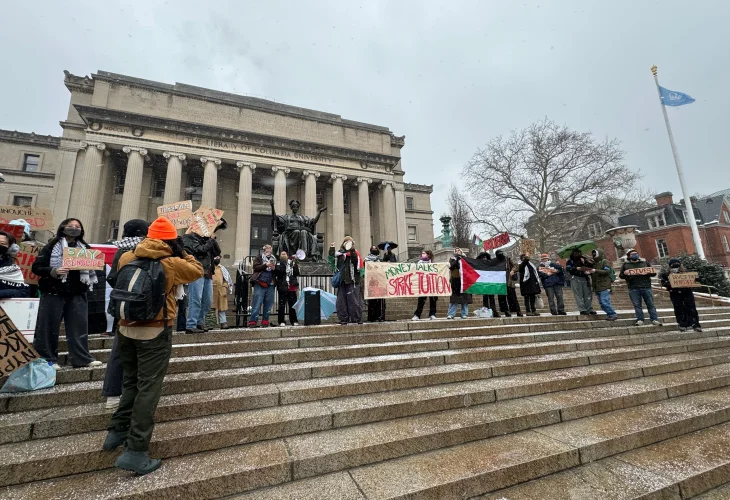
A new congressional report released Tuesday concludes that antisemitism spreading across American college campuses is being driven by weak university leadership, radical faculty activism, student groups, and foreign funding influences.
The report, published March 17 by the U.S. House Committee on Education and Workforce under Chairman Rep. Tim Walberg (R-MI), is the culmination of a year-long congressional investigation into campus unrest and antisemitic incidents following the Hamas attacks on Israel on October 7. “Antisemitism continues to spread like wildfire at schools across the nation,” Walberg said as the report was released.
The investigation argues that the problem is not limited to isolated incidents but reflects systemic failures across higher education institutions. According to the report, many universities allowed antisemitism to flourish after administrators failed to act decisively when Jewish students faced harassment or threats.
“Over the past several years, we’ve seen university leaders surrender to the radical demands of terror-supporting mobs targeting Jewish students and faculty,” Walberg said.
The committee report identifies four main forces behind the rise of antisemitism on campus: weak leadership from university administrators, faculty members who promote or legitimize antisemitic rhetoric, activist student groups organizing anti-Israel demonstrations that target Jewish students, and foreign funding tied to universities operating campuses in the Middle East.
Investigators found numerous cases in which faculty members amplified antisemitic narratives or sought to weaken protections for Jewish students under university harassment policies. The report also points to student groups, particularly Students for Justice in Palestine, as central organizers of campus protests and encampments that the committee says often led to harassment and intimidation of Jewish students.
Beyond campus activism, the report raises concerns about foreign influence on American universities operating overseas. Congressional investigators pointed to universities running satellite campuses in Qatar’s Education City, where they say institutional policies and public messaging sometimes appeared aligned with the expectations of foreign partners rather than American free speech standards.
The report also cites communications following the October 7 attacks in which a Qatar-based university partner urged administrators at American campuses operating in Doha to coordinate messaging and ensure there were “no surprises.”
The congressional investigation unfolded over much of 2025, as the committee sent letters to universities across the country and held a series of hearings examining campus antisemitism beyond the Ivy League. Lawmakers questioned university leaders about disciplinary actions, faculty activism, and the role of student organizations in organizing anti-Israel encampments.
The probe also examined the response of local authorities to campus protests. Earlier this month, committee investigators held a briefing with Evanston, Illinois Mayor Daniel Biss regarding his refusal to send law enforcement to help clear a protest encampment at Northwestern University.
Walberg said the report is intended as a warning to universities that Congress will continue to scrutinize their response to antisemitism. “If university leaders forget their legal responsibility to address discrimination of any form on campus, my colleagues and I will remind them,” he said.
The committee said its investigation into campus antisemitism and university leadership failures will continue as lawmakers review additional complaints and incidents reported at colleges across the United States.

