

Naturopathy and Natural Medicine
Healthy Eating Guide: How to Balance Your Diet Naturally
How to combine foods, improve digestion, and nourish your body with simple, practical nutrition tips
- Rut Liat Faltz
- | Updated
 (Photo: shutterstock)
At times it may be difficult for us to differentiate between real hunger and emotional hunger. Real hunger begins when your stomach growls, while emotional hunger is a result of an imbalance in our emotions. When we eat in response to emotions rather than physical need, the body does not benefit.
Learning to recognize the difference allows us to pause and ask: What is the gain, and what is the cost?
Beverages and Their Impact
Drinks such as soda, coffee, and caffeinated tea are best consumed with a small snack rather than immediately after a nutritious meal. This is because they may interfere with the absorption of minerals from the food you just ate.
Ideally, they should be reduced or removed from the daily diet. If that is difficult, try drinking them later in the morning, closer to midday, and follow with a glass of water to dilute their effect.
Water: The Foundation of Health
It is best to drink water or herbal teas on an empty stomach when you feel thirsty.
If your sense of thirst is not reliable, it may be helpful to consult a professional about how much to drink. Of course, during intense physical activity, more water is needed.
A simple way to check hydration is by observing urine color, which should be light yellow.
Clean water is essential. Reverse osmosis or mineral water are currently among the better options for reducing exposure to contaminants.
Eating Fruit the Right Way
Fresh fruit is best eaten on an empty stomach, ideally:
30–60 minutes before a meal
Or about two hours after a meal
Less sweet fruits are best earlier in the day, such as:
Citrus fruits
Guava
Apples
Plums
Pears
Sweeter fruits can be eaten later:
Peaches
Papaya
Mango
Bananas
Dates
Raisins
In the evening, a sweet fruit can even support better sleep.
Nuts, Seeds, and Healthy Fats
Nuts, almonds, and seeds contain plant-based protein and fat.
They are best eaten with fruits or raw or lightly cooked vegetables. It is recommended not to combine them with carbohydrates, as they already contain protein.
Vegetables: Eat More, Every Day
Vegetables, especially leafy greens, should be eaten multiple times a day.
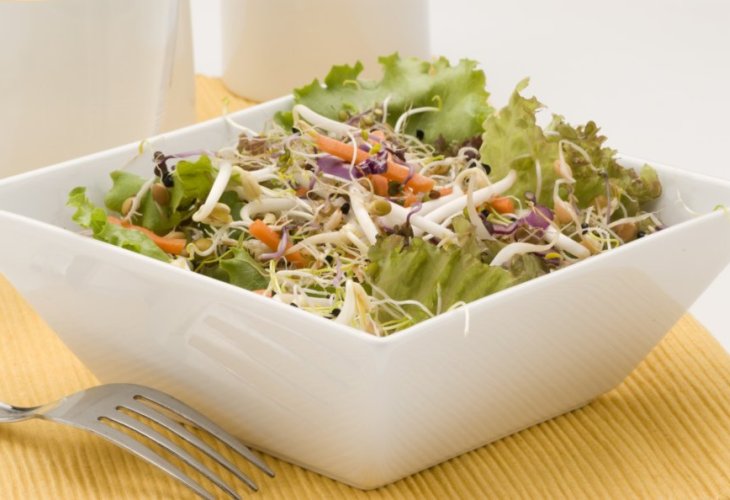
Try to include at least one salad daily, along with additional vegetables in your meals. Sprouts are also a great addition and can be stored in the refrigerator for about a week to ten days.
Grains and Carbohydrates
Grains contain both carbohydrates and some protein.
It is recommended to:
Soak them for several hours up to 24 hours
If possible, sprout them
Grains that can be sprouted:
Quinoa
Buckwheat
Amaranth
Wheat (less recommended)
Grains that cannot be sprouted:
Oats
Rice
Millet
Bulgur
Semolina
Non-sprouted grains are best eaten with vegetables.
Starches: Heavy vs. Light
Heavier starches:
Potatoes
Sweet potatoes
Butternut squash
Lighter starches:
Pumpkin
Corn
Carrots
Both types can be combined with grains.
Avocado and Healthy Fats
Avocado contains beneficial fats and can be combined well with carbohydrates, starches, and grains.
Legumes and Plant-Based Protein
Legumes are rich in plant protein.
Preparation tips:
Soak for about a day
Rinse well and change the water
Ideally, sprout them
Legumes that can be sprouted:
Beans
Mung beans
Chickpeas
Lentils
Legumes that typically cannot be sprouted:
Red and white beans
Soybeans
Non-sprouted legumes should be eaten with vegetables only.
Tahini and Sesame
Sesame (tahini) contains both fat and protein and pairs well with legumes. It is recommended to include ground sesame in your diet regularly, such as in salads.
Combining Legumes and Grains
When legumes and grains are eaten together, they form a complete plant-based protein.
This combination works best when both are sprouted. If not, it may cause fermentation and digestive discomfort for some people.
Animal Protein: In Moderation
For those who do not follow a plant-based diet, it is recommended to include:
Fresh baked or cooked fish
Organic eggs (up to about 10 per week, preferably soft-cooked)
Animal proteins (meat, poultry, fish, eggs, dairy) should generally be consumed in moderation and combined with vegetables.
Dairy Products
It is advisable to limit dairy consumption, as excessive intake has been associated with various health concerns.
If consumed, better options include:
Butter
Goat yogurt
Goat cream (occasionally)
Balanced eating is not about strict rules, but awareness, listening to your body, and making thoughtful choices.
When we eat with intention and understanding, we support the body’s natural ability to stay healthy and strong.

