

Magazine
From Orphan in Ethiopia to Award Winning Youth Leader in Israel
Orphaned at a young age, Dalalin Destao rose from hardship in Ethiopia to become a leader and mentor in Israel, inspiring countless teens along the way.
- Michal Arieli
- | Updated
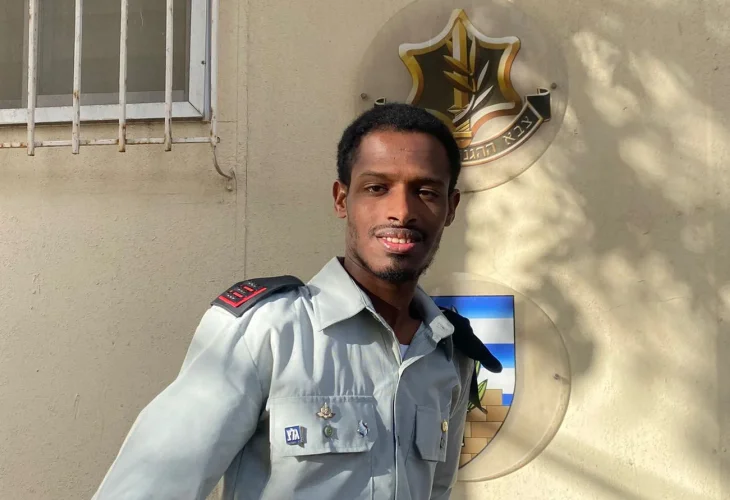 Dalalin Destao
“Who would have believed that an orphaned child from a small village in Ethiopia would grow up to lead projects in Israel and mentor struggling teens?” asks Dalalin Destao as he reflects on his journey.
He speaks clearly and confidently, with no trace of an accent, giving little indication that he spent nearly half his life in a rural village in Ethiopia’s Gondar region.
“I grew up in a Jewish community that held tightly to its traditions,” he shares. “There were many Christians nearby, and until two years before I made aliyah to Israel, I studied in their school because there was no separate Jewish school. Even so, there was always a clear separation between us. Later, a Jewish school was finally established.”
Dalalin’s childhood was far from easy. His father passed away when he was just one year old, and his mother died about a year later.
“I don’t have memories of my parents,” he says. “But I remember what it felt like to grow up with my uncles. One uncle became my constant support. He came to parent teacher meetings and took care of everything for me. I always appreciated him, but deep inside, I had one simple wish: to have parents.”
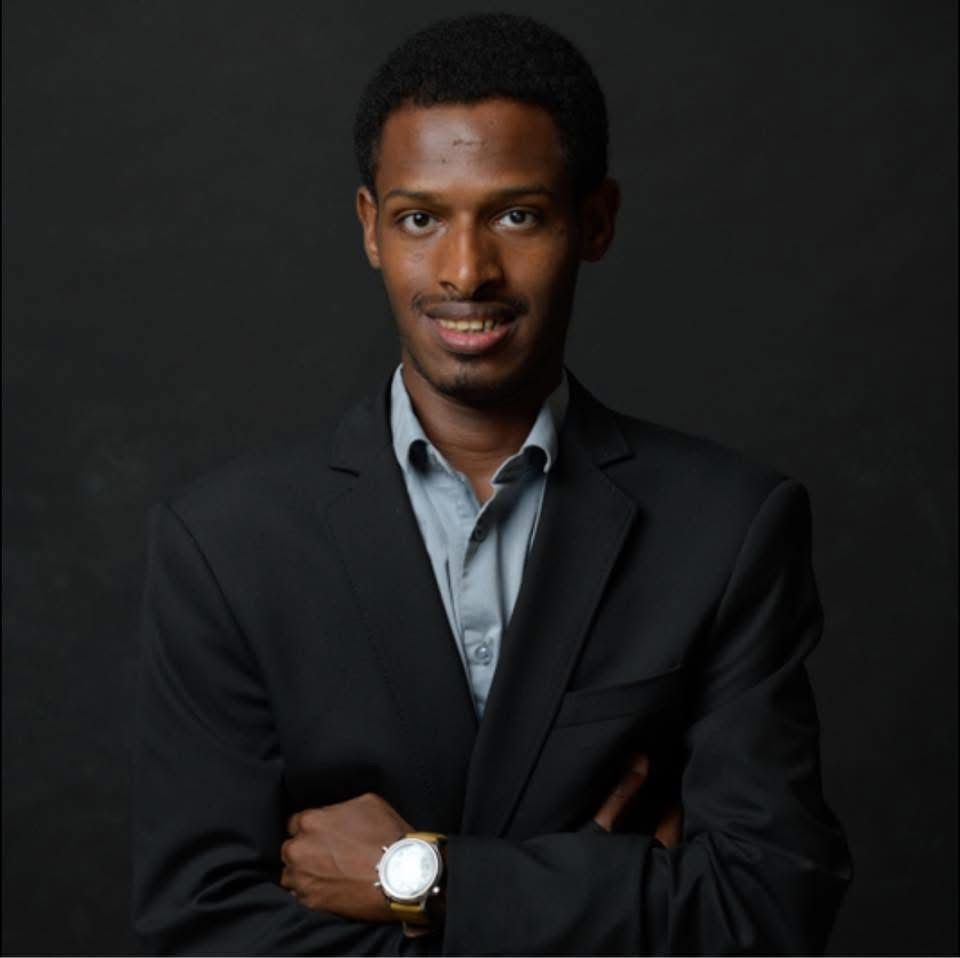 Dalalin Destao
Coming Home to Israel
“Life in Ethiopia had a kind of pure joy,” Dalalin recalls. “Yes, there were hardships. Sometimes there was no food, and we didn’t always have proper clothing. Life was about survival. But there was also a deep joy that’s hard to explain.”
Today, he looks back with gratitude.
“I thank the Creator of the world for giving me the strength to keep going despite everything. That strength is not something you can take for granted.”
Reflecting on his younger self, he adds, “When I think about that nine or ten year old boy playing with cows and sheep, I ask myself, who would have believed that by age 24 he would become a partner in ventures, lead the organization Mishpacha, and receive recognition for mentoring struggling youth? The challenges I faced didn’t break me. They built me. They taught me persistence and helped me appreciate what I have.”
The contrast between Ethiopia and Israel is profound.
“In Ethiopia, a child born into a simple family doesn’t really think about the future. Access to education is limited, healthcare is not available to everyone, and the idea of choosing a career is almost nonexistent. Because I didn’t have parents, I moved from home to home, staying with relatives and friends, while my 18 year old uncle acted as my guardian.”
Despite the hardships, Dalalin is clear about what he missed most.
“It wasn’t a better standard of living. What I needed most was someone to say a kind word or give me a hug. That’s why I feel such a strong connection to orphans today. Parents guide us through life’s most important moments. When they’re not there, you feel that absence deeply. Even today, the fact that I don’t have ‘Mom’ or ‘Dad’ in my phone contacts feels like a painful void.”
The Dream of Reaching Jerusalem
“All my life, I dreamed of coming to Israel, to Jerusalem, or as we called it, Yerosalem,” Dalalin says.
He was 12 when that dream began to take shape.
“My uncle came to school to collect documents for our aliyah, and that’s when I realized it was really happening. This was in 2012, long after the well-known rescue operations that brought Ethiopian Jews to Israel. People think it must have been easier by then, but it wasn’t. There were endless bureaucratic challenges, and nothing was guaranteed.”
He speaks with emotion about those still waiting.
“It pains me that even today it’s not simple for Ethiopian Jews to come to Israel. I know many who are still waiting, some whose families suffered greatly trying to reach Israel. Of course there must be proper checks, but when someone is eligible, they shouldn’t face unnecessary obstacles.”
From “At Risk” to “At Promise”
At age 12 and a half, Dalalin arrived in Israel and was placed in an absorption center at Kibbutz Ayelet HaShahar. Later, he moved to a children’s village in Afula and then to a yeshiva high school.
The transition was not easy.
“I had academic gaps, struggled to follow lessons, and found it difficult to communicate while learning Hebrew. But I knew from the start that nothing would stop me.”
He focused intensely on learning the language.
“For a long time, I was labeled as ‘at risk youth.’ Only today do I understand how limiting that label can be. I prefer to say ‘youth at promise.’ I also faced teasing from classmates who didn’t understand my Hebrew.”
Still, he refused to give up.
“I decided early on that I would not live as a victim. Yes, I was a new immigrant, an orphan, and I had nothing financially. But I didn’t want pity. I wanted to take control of my life.”
A turning point came in seventh grade.
“I was chosen to serve on the student council. It was a huge moment for me. At 16, I became chair of the municipal youth council. It was one of the most challenging roles I’ve ever had, even compared to later positions in the army. Taking responsibility at a young age opened doors I never imagined.”
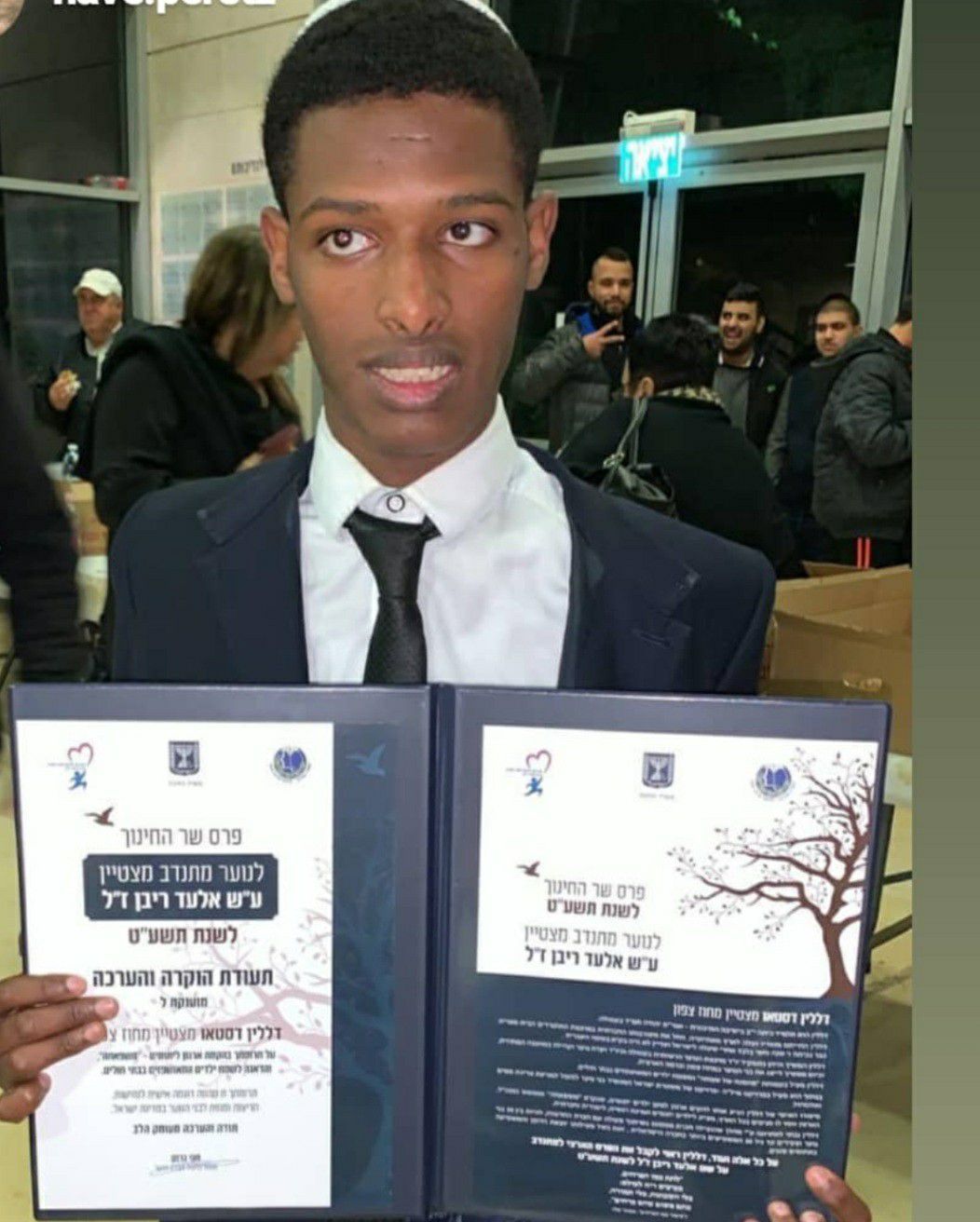 Dalalin Destao receives the Minister of Education Award for outstanding youth volunteerism
Everyone Can Rise
When asked what made his path different, Dalalin answers honestly.
“I’m proud of my background. It’s part of who I am. But we also can’t ignore that there is still racism in Israeli society and in the education system. It’s something we need to work on.”
Even without strong support systems, he persevered.
“I didn’t have parents or a strong safety net, yet I still succeeded. That shows that it’s possible. You just have to want it.”
This is the message he shares with teens.
“You can’t sit and wait for someone else to fix your life. This is your time to rise. It’s easy to blame the system or society, but that mindset holds you back. We need to take responsibility, build unity, and bring more love into our communities.”
Building a Future of Impact
Dalalin says people often ask if he plans to enter politics.
“I’ve received offers, and I’m not ruling it out. But I’m cautious. The greatest compliment I can receive is being called a good person, and I worry that politics can pull people into negativity.”
For now, his focus remains on meaningful impact.
He is writing his life story in a book titled Ritza LeMerhakim and founded the organization Mishpacha, which supports orphaned children and their families.
“We provide emotional, educational, legal, and social support. Our goal is to make sure no child feels alone. We’re also working on launching a youth movement and organizing conferences.”
He highlights a powerful reality.
“More than 57,000 orphaned children between ages 6 and 18 live in Israel. It’s our responsibility to support them and help them succeed.”
Dalalin ends with a message of hope.
“In this country, there are so many opportunities. Schools, libraries, youth programs, people who believe in you. Not every teen sees that. I often hear young people say they don’t have a chance. But when you compare it to where I came from, you realize what a gift it is.”
“If you’re here, you have everything you need to succeed. The only question is whether you’re ready to use it.”

