

Wonders of Creation
Fungi Explained: The Hidden Kingdom Behind Mold, Yeast, and More
Discover how fungi work, where they grow, and why they matter
- Debbie Reichman
- | Updated
 (Photo: shutterstock)
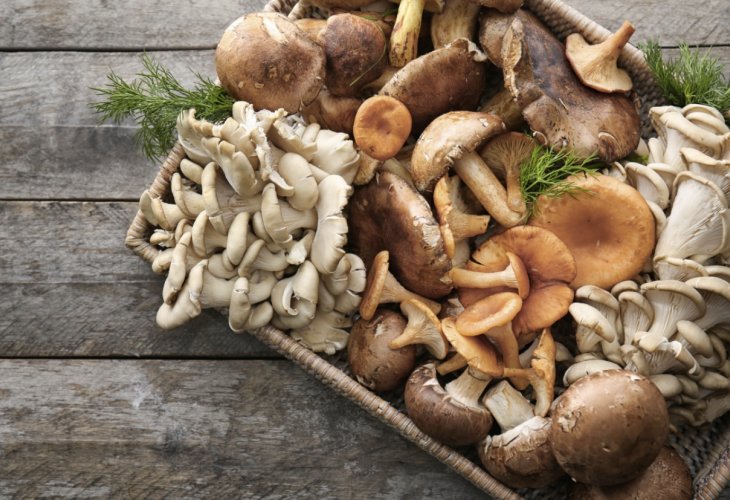
They may look like plants, but they actually belong to an entirely separate biological kingdom. These are fungi, which we encounter in many places — from fresh salads to, surprisingly, our own skin.
What makes fungi unique is that they have no mouth of any kind. Instead, they absorb the nutrients they need from their surroundings across their entire surface. Unlike animals and plants, where digestion happens internally, fungi break down substances outside their bodies and then absorb the nutrients.
For this reason, in Jewish law, fungi are classified as “products of the air” rather than products of the soil, and the blessing recited over them is Shehakol.
The Science of Fungi
The scientific field that studies fungi is called mycology. While most fungi are single celled, there are also many multicellular varieties.
Fungi can be found almost everywhere — not only in soil, but also in water and even in the air. Some types can grow on the human body. In fact, there are over 100,000 known species of fungi. Many are toxic, but many are also edible.
Fungi typically grow in dark, moist environments.
Common Types of Fungi You May Recognize
Mold
Mold is a general term for several types of fungi that grow on spoiled food. It often appears as green spots, but can also be purple, especially on fruit, or white.
Mold is multicellular and consists of fine thread like structures. These structures often harbor bacteria, and mold can produce spores that may cause illness. It can be particularly harmful to people with weakened immune systems or respiratory conditions.
Despite this, mold also has beneficial uses, especially in food production, medicine, and scientific research.
Yeast
How does yeast make dough rise?
Yeast is actually a single celled fungus. A small amount of yeast contains millions of these microscopic organisms, which cluster together.
When yeast comes into contact with flour and water, it releases enzymes that break down the sugars in the flour. This process produces carbon dioxide gas, forming bubbles that cause the dough to expand and rise.
Fungi may be hidden from view, but they play a remarkable and essential role in both nature and everyday life.

