

Raising Children
Understanding Childhood Trauma: Why Victims Stay Silent for Years
A clear and compassionate look at the deep psychological impact of abuse, delayed reporting, and why many survivors choose to speak out anonymously
- Nechama Lipschitz
- | Updated
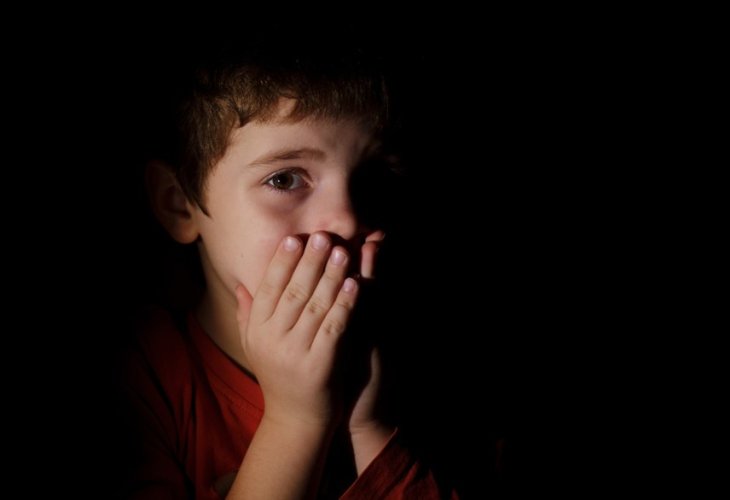 (Photo: shutterstock)
This article is intended for anyone who truly wants to understand the depth of psychological trauma in children and why the issue is far more complex than it appears on the surface.
The reactions to abuse victims can generally be divided into three groups:
1. Those who do not understand why the victims “only now chose to speak up.”
2. Those who do not believe the claims at all, since the victims spoke anonymously and “no one has really seen them.”
3. Those who believe and feel the victims’ pain.
I would further divide this last group into two:
1. Those who experienced harm as children and recognize the long lasting psychological consequences.
2. Those who have witnessed the severe impact of such harm on a family member or someone close to them.
What does childhood trauma do to the psyche?
A child experiences the world in very clear terms of black and white. For a child, there are “good people” and “bad people.” When a child is harmed by an authority figure or a family member, which unfortunately happens more often than we would like to admit, the boundaries between good and bad become blurred. Even if the child senses that something is wrong, there may be an inner voice saying, “If the adult or authority figure says this is okay, then I must be mistaken.”
When the harm is accompanied by threats to the child or their family, along with statements like “no one will believe you,” the child is left confused and deeply alone. If the harm repeats itself, the child can enter an emotional whirlwind that is not always visible outwardly. This may include self hatred, anger toward God, and sometimes emotional shutdown, where the child feels nothing in order to cope.
Without going into the full range of psychological disorders that may develop over time, we will briefly mention a few: constant inner tension, ongoing anxiety, outbursts of anger, suicidal thoughts, self harm, and borderline personality patterns. Unfortunately, the list is much longer.
Adults who eventually choose to confront and treat these wounds often require a long process of therapy. However, the benefit of such healing far outweighs the duration or cost of treatment. Emotional healing is like draining an infection that has been trapped beneath the skin for years. The process is painful, but the recovery that follows is worth it. Healing changes a person’s relationship with themselves, with their family, and even with their spiritual life.
Why children do not speak up when they are harmed
As parents, we all know that there are things children will immediately tell us, and others that we may only hear about months later, if at all. If a child feels guilty about what happened, as they often blame themselves or feel involved in something unpleasant or “bad”, the less likely they are to speak up.
Add to this the confusion caused by a trusted adult, along with possible threats or belittling remarks such as “who are you” or “who would believe you,” and the answer becomes clear. In some communities, there is also a sense of religious guilt, even though the child is not at fault. The child feels ashamed, uncertain whether they will be believed, and fearful of how others might react. Will they be angry? Will they shout?
This creates a painful cycle of silence and suppression. In some cases, children did try to speak, but the issue was ignored or hidden because the abuser was a respected figure. All of these factors lead many children to remain silent for years and only speak out later in life, often after therapy has helped them understand that they are not to blame and that the responsibility lies with the abuser.
Why adults often speak out anonymously
The significant shift in recent years, placing responsibility on the perpetrator rather than the victim, is part of society’s growth. The understanding that victims are not to blame has only begun to take hold in recent times. Unfortunately, many victims still carry deep shame.
This is especially true in religious communities, where revealing one’s identity can affect the entire family. Individuals who were harmed in childhood and wish to build a future may fear that being identified will impact their opportunities, including marriage prospects.
Because there is still strong judgment toward those who speak out, along with a lack of understanding of the severity of the trauma, many prefer not to relive the experience through harsh reactions, insensitive questions, or repeated emotional attacks. For them, the act of speaking out is itself extremely difficult, as it requires revisiting and describing painful experiences that are already hard to bear.
A final word
If you know someone who has been harmed, or if you have experienced harm yourself, it is important to speak and bring the pain into the open. There are many organizations and support systems that want to help. You are not alone.
We hope this article sheds some light on the inner world of those who have experienced trauma, and that it leads us to greater compassion and care, as we are called to embody.

