

Raising Children
Toy Cleanup Made Easy: Fun Ways to Get Kids to Help
Struggling to get kids to clean up toys? Discover simple, fun ideas that turn cleanup into a game and actually get results.
- Shira Priant
- | Updated
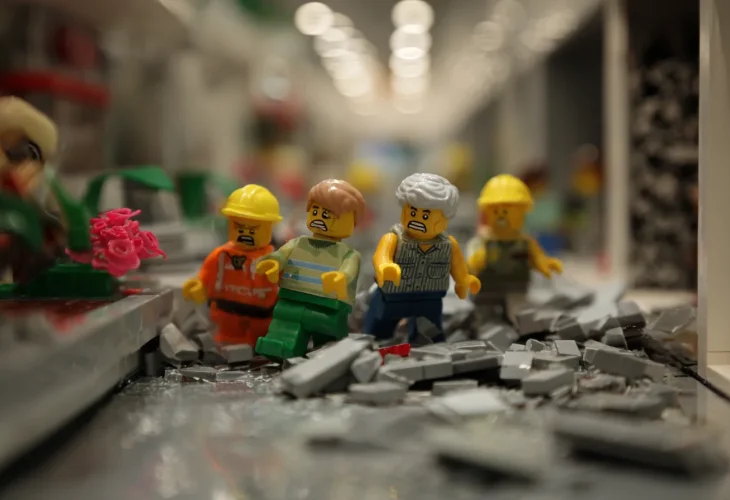
If we are being honest, “Let’s pick up the toys” is probably one of the least popular sentences at home, right up there with “We are out of chocolate” and “Get dressed, we are late for preschool.” The moment those words are said, kids suddenly become tired, distracted, or urgently need to use the bathroom.
So how do you turn a floor full of blocks and dolls into a space you can actually walk through without stepping on a rogue toy? It does not require strict parenting or constant nagging. The secret is simple. You have to present it the right way.
Here is how to turn cleaning from a daily struggle into something your kids will actually join.
Turn Cleaning Into a Game
Kids may resist cleaning, but they love imagination and play. Instead of asking them to tidy up, turn it into a mission.
Tell them the floor will turn into boiling lava or a river full of crocodiles in five minutes. The only way to save their toys is to move them to a “safe zone,” like a bin or drawer. Whoever rescues the most toys earns a fun title like “Official Toy Rescuer.”
Suddenly, cleaning is not a chore. It is an adventure.
Use the Power of a Timer
A little competition can go a long way. Instead of giving open ended instructions, set a timer for 60 seconds.
Explain the rules clearly. They have one minute to put away as many toys as possible. Play fast, upbeat music in the background to create energy. When the timer stops, everyone freezes.
You will be surprised how much gets done in just one minute when there is excitement and urgency.
Create Simple Boundaries
If motivation is low, a clear system can help. Introduce the idea of a daily “toy check.”
Any toy left on the floor after cleanup time gets placed in a special box for a couple of days. This is not about punishment. It is about helping kids understand that toys need to be taken care of.
Over time, they begin to connect responsibility with keeping their things.
Focus on Progress, Not Perfection
This is one of the most important shifts. If you expect everything to be perfectly organized, you will likely feel frustrated.
At this stage, the goal is simple. Clear the floor. If toys are tossed into one bin instead of sorted, that is still a success. If the room is safe to walk through without stepping on anything, that is a big win.
Let go of perfection and focus on building habits.
Encourage With Meaningful Rewards
Instead of offering prizes, give kids small choices and privileges.
For example, the child who helps the most can choose the next song, pick the bedtime story, or decide what game to play later. This gives them a sense of control and makes them more willing to participate.
A Simple Shift That Changes Everything
Your kids do not need to feel like they are doing chores. From their perspective, they just completed a mission, won a challenge, or played a game.
And you get something just as valuable. A tidy living space where you can finally relax without stepping on toys.
With a little creativity, everyone wins.

